Why a short crossing takes so much power
A ferry is not just carrying passengers; it is pushing a heavy hull through water while keeping to a timetable. Water resists motion, and resistance rises sharply as a vessel moves faster. That makes the effort to maintain a regular crossing more demanding than the distance alone suggests—especially when the boat is loaded or pushing into wind and current.
Large diesel engines convert fuel into the turning force that drives the propellers. They also supply power for shipboard equipment, though the amount needed for propulsion is the central demand underway. Repeated acceleration, maneuvering near docks, and running on schedule add to the work over a day of frequent trips.
The tradeoff passengers can hear
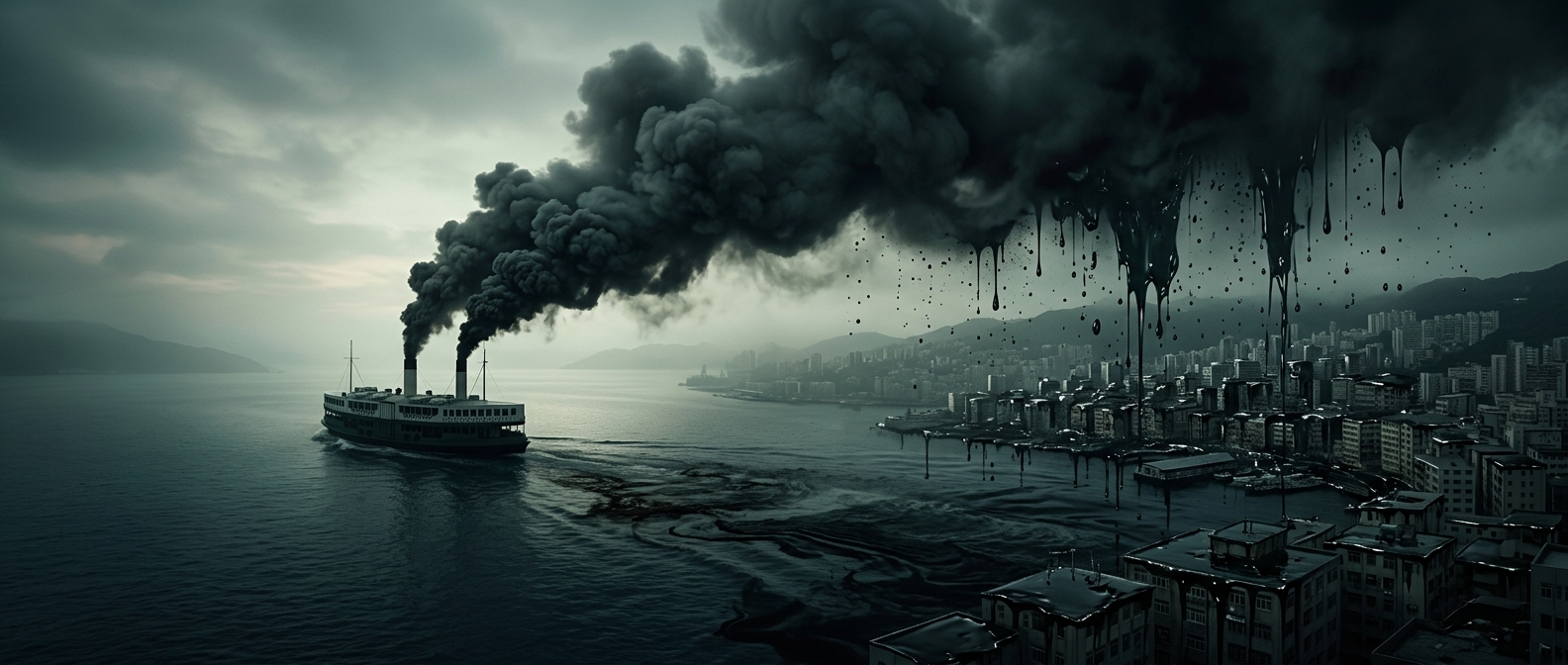
Diesel is practical for vessels that need substantial power and must operate reliably across changing conditions. But burning it produces exhaust, while the engines and machinery create the low rumble passengers hear on board and people may notice near terminals. A ferry’s environmental footprint therefore reaches beyond the water it crosses: it is tied to how often it sails, how much power each trip requires, and what energy source the vessel uses.
That is why replacing diesel is an engineering challenge, not simply a matter of swapping fuels. A busy route needs enough stored energy or fuel, power for difficult conditions, and a way to recharge or refuel without disrupting service. The half-hour timetable is part of the equation: the ferry must be ready to make the next crossing, not merely capable of making one.