A breathing system built around the cloaca
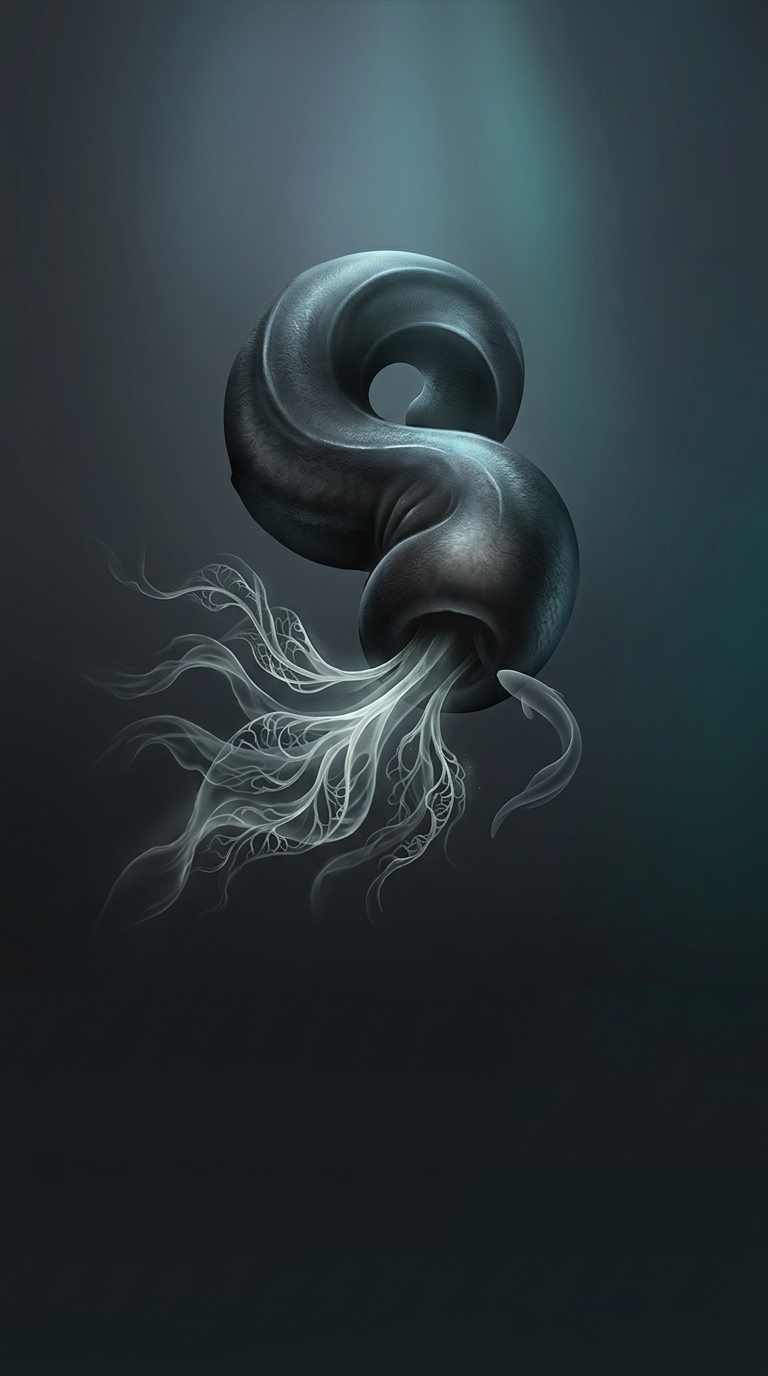
Sea cucumbers do not rely on gills to extract oxygen from seawater. Instead, many species use a pair of branching sacs called respiratory trees, tucked inside the body near the rear opening. That opening is a cloaca: a shared chamber for water flow and the release of digestive and reproductive products, not simply an anus in the human sense.
To ventilate the trees, a sea cucumber rhythmically contracts muscles around the cloaca. Each contraction draws seawater into the chamber and through the fine branches; relaxation helps push it back out. Oxygen passes across the thin, moist surfaces of those branches into nearby body fluids, while carbon dioxide moves the other way into the water. The repeated pumping replaces oxygen-depleted water with fresh seawater.
Why the route works
The arrangement makes use of an opening and internal space already present in the animal’s body plan. The respiratory trees’ many branches provide extensive surface area for gas exchange, while the cloaca’s pumping movements keep water moving over that surface. It is a different layout from the familiar fish gill, but it solves the same basic problem: bringing oxygen close to the body’s transport fluids and carrying carbon dioxide away.
A doorway with an unexpected tenant
That water-pumping entrance can also be exploited by pearlfish. Some species slip through a sea cucumber’s cloaca and shelter inside its body cavity. The fish’s refuge is also the route seawater takes to reach the respiratory trees, making the cucumber’s breathing anatomy an unusually exposed entrance to a hidden habitat.
The relationship varies by species and circumstance; a pearlfish inside a sea cucumber is not automatically a harmless roommate. But the basic connection is striking: a structure that keeps its host supplied with oxygen can double as a passage into its interior.