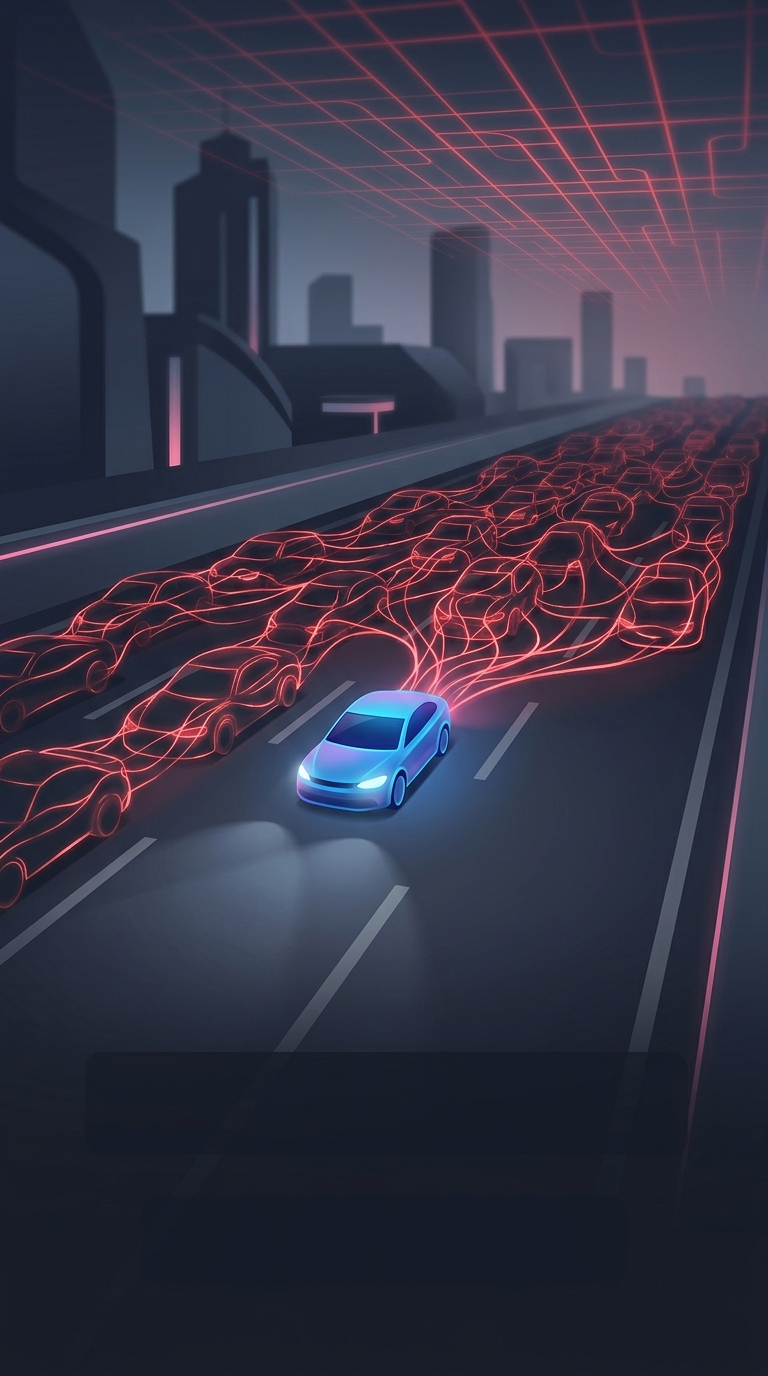
How a Small Speed Change Can Become a Traffic Jam
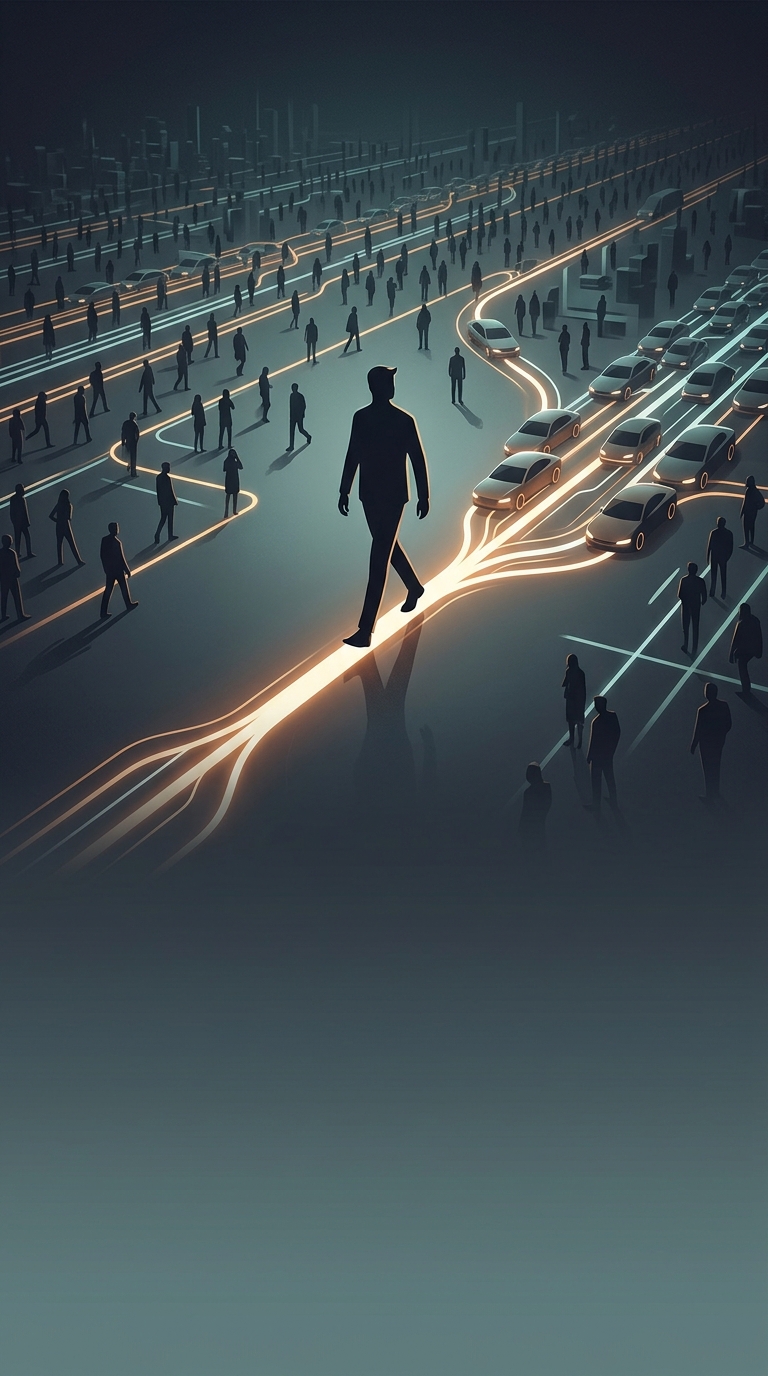
A driver can obey the speed limit and still trigger a slowdown—not by breaking a rule, but by reacting to traffic ahead. Imagine a car changing lanes, a brief bend in the road, or a driver tapping the brakes after spotting something near the shoulder. The car behind eases off too, then the next driver brakes a little harder to leave a safe gap. Within seconds, cars far behind may be crawling even though the original disturbance has disappeared.
The Slowdown Travels Backward
At high traffic density, drivers have little room to absorb changes in speed. Each person needs time to notice a slowdown and respond; during that delay, the gap can shrink. To restore it, a driver may brake more than the car ahead did. The next driver repeats the process, creating a ripple that grows as it moves backward through the line of cars.
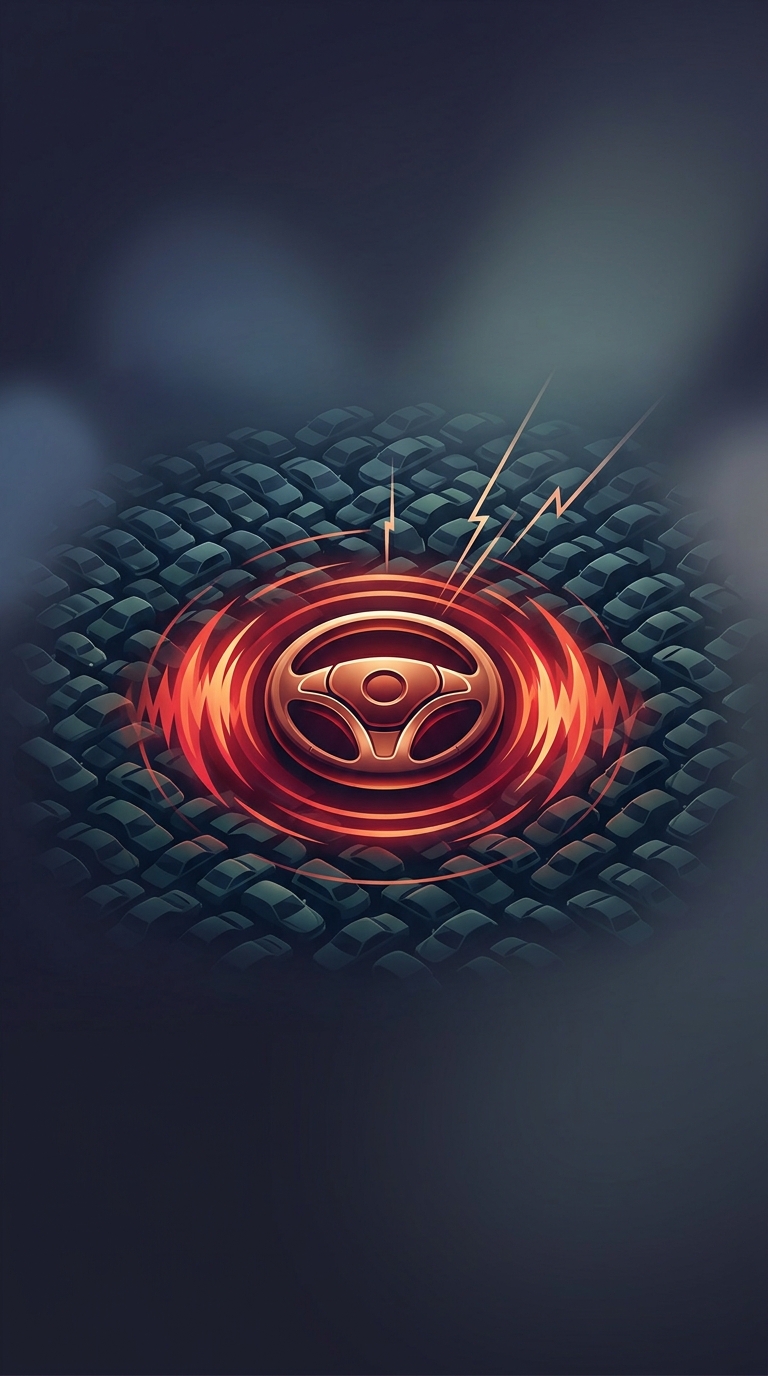
This is called a traffic shock wave: the queue of slow or stopped vehicles moves backward along the road, even while individual cars move forward. A driver who brakes can therefore be part of the chain without being reckless or violating the limit. The jam is produced by the accumulated reactions of many drivers, not necessarily by one obvious obstruction.
Why It Can Happen on an Open Road
On a crowded highway, there may be no accident, lane closure, or stalled vehicle at the front of the jam. A small disturbance can be enough when traffic is near capacity: there is too little spare space for cars to smooth out one another’s speed changes. Once a wave forms, drivers may stop inside it and then accelerate away, while the wave itself continues upstream.
That is why a stretch of road can suddenly clear without anyone removing a blockage. The queue has simply passed. Keeping a steady speed and leaving room ahead can soften these ripples, but when traffic is tightly packed, even careful drivers have limited ability to prevent them.