Why the “last-second” merge can keep traffic moving
When a lane closes ahead, drivers often move into the open lane early and line up there. The other lane then sits mostly empty while the queue grows in one long, slow-moving column. The seemingly rude alternative—using both lanes and merging near the closure—can make better use of the road.
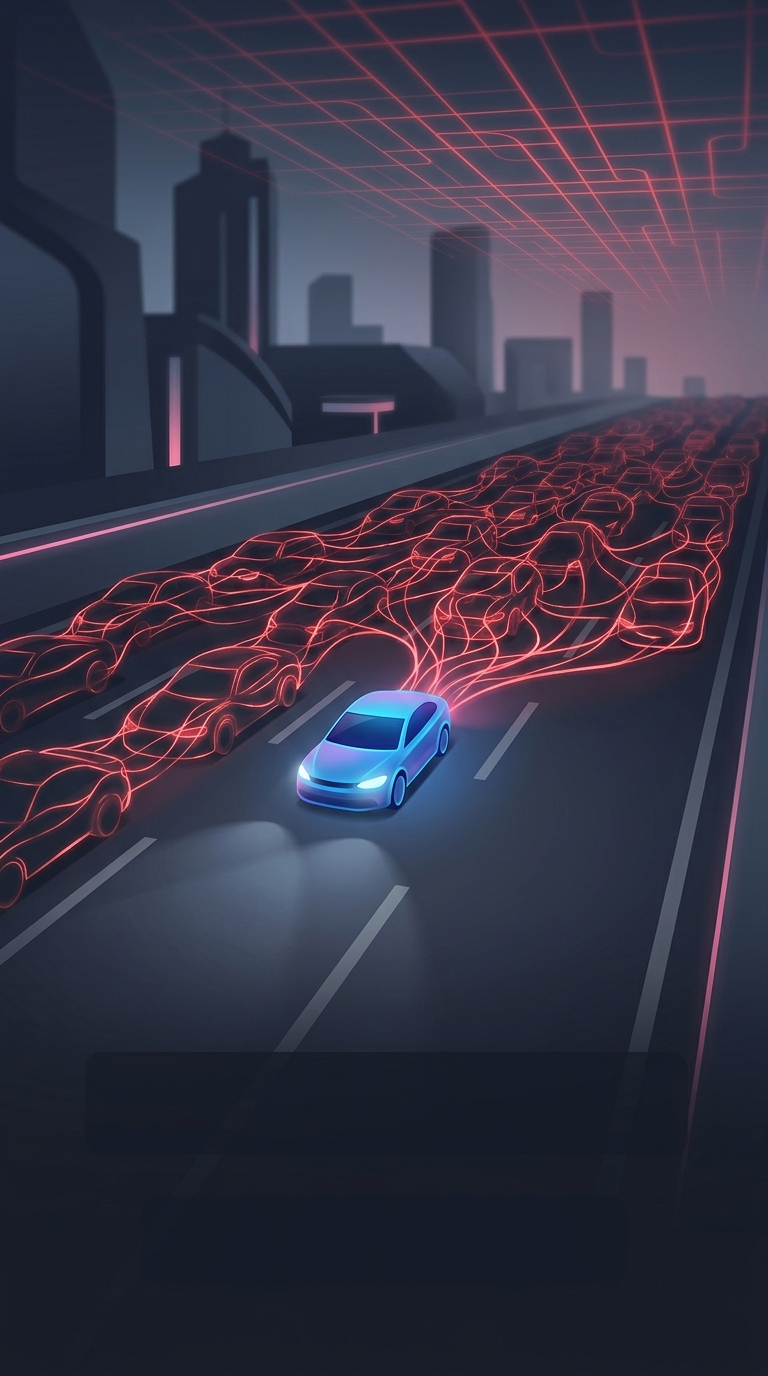
At the merge point, drivers take turns entering the continuing lane, like the teeth of a zipper. This zipper merge spreads the queue across both lanes instead of letting one lane’s line stretch far upstream. Under suitable conditions, it can reduce congestion by as much as 40 percent, chiefly by shortening backups and limiting the disruptive stop-and-go waves that form when drivers merge unpredictably.
It works only when drivers cooperate
The key is not to force a way in at the last moment. Both lanes need to move at similar, low speeds, and drivers in the open lane must leave space for alternating merges. Abrupt lane changes, racing ahead, or blocking the closing lane can undo the benefit—and create a collision risk.
Zipper merging is most useful when traffic is already slow and a lane closure is creating a queue. In free-flowing traffic, drivers should follow signs and merge safely rather than treating the merge point as a target. The counterintuitive lesson is that an orderly line spread across two lanes can clear a bottleneck better than a single, seemingly more polite queue.