How a Tiny Cursor Motion Resets an Idle Timer
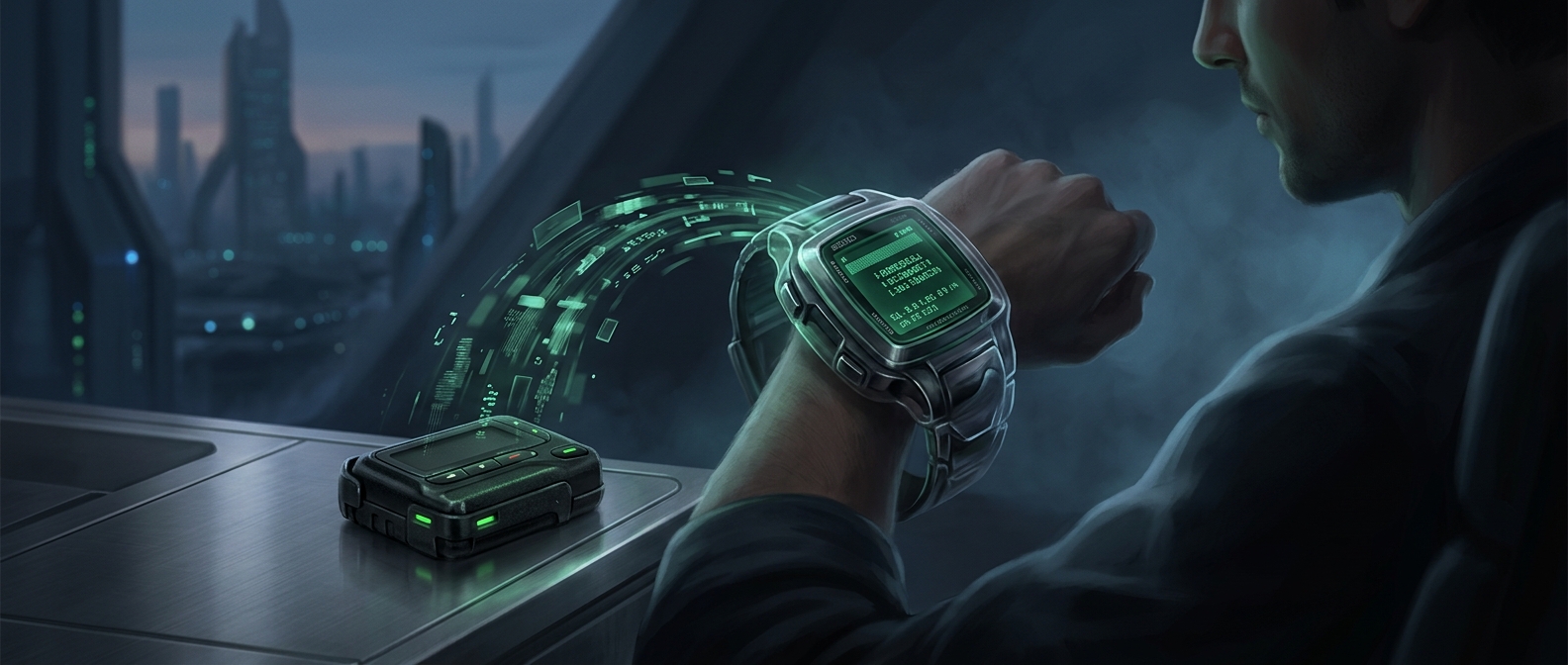
Many workplace status tools do not directly measure whether someone is working. Instead, they use signals from the computer—often how long it has been since a mouse or keyboard input—to decide when to mark a person idle. A mouse jiggler supplies the missing signal: it nudges the pointer just enough to make the computer register activity again.
That can keep a chat or collaboration app showing “available,” even if the person has stepped away. The device changes what the computer reports; it does not create work or prove that its owner is at the desk.
Why the Status Can Mislead
An availability badge is a rough indicator, not a window into someone’s attention. A person reading a long document, thinking through a problem, or taking notes on paper may produce little mouse activity while still working. Conversely, a moving cursor can keep an idle timer from expiring without showing what the person is doing.
The trick’s reach depends on how an employer’s software works. A system that relies on inactivity timers may respond to cursor movement; one that checks other signals may not. The jiggler is therefore less a universal disguise than a way to exploit one common shortcut: treating computer input as a stand-in for work.
A Small Device, a Larger Measurement Problem
For workers, the appeal is straightforward: avoiding an “away” label that might make a break or a stretch look like disengagement. For employers, the same workaround exposes the limits of status indicators as measures of effort. When people feel judged by a badge, they may optimize the badge rather than the work it was meant to represent.
The revealing detail is that the gadget need not make anyone more productive. It only keeps a simple timer from mistaking silence at the keyboard for absence.