What MAOA does in the brain
The MAOA gene provides instructions for making an enzyme called monoamine oxidase A. The enzyme helps break down chemical messengers—including serotonin, norepinephrine, and dopamine—after they have carried signals between nerve cells. Some versions of the gene are linked to differences in how much of the enzyme cells produce, which can affect the handling of those messengers.
That is a possible influence on brain function, not a behavioral command. These signaling systems are involved in many processes, and a gene variant cannot tell us how a particular person will respond in a particular moment.
Why context matters
Research has examined whether MAOA variants relate to behaviors such as aggression, impulsivity, or risk-taking. One important line of work asks whether genetic differences matter more under certain conditions, including exposure to serious adversity early in life. The broader idea is that biology can shape sensitivity to circumstances, while circumstances help shape what happens next.
Neither “risk-taking” nor “aggression” is a single, simple trait. A person may take risks in one setting and avoid them in another; anger, impulse control, and harmful behavior also have many contributing influences. Findings about groups do not reliably predict an individual’s conduct, and associations can vary across studies and populations.
A predisposition is not an excuse
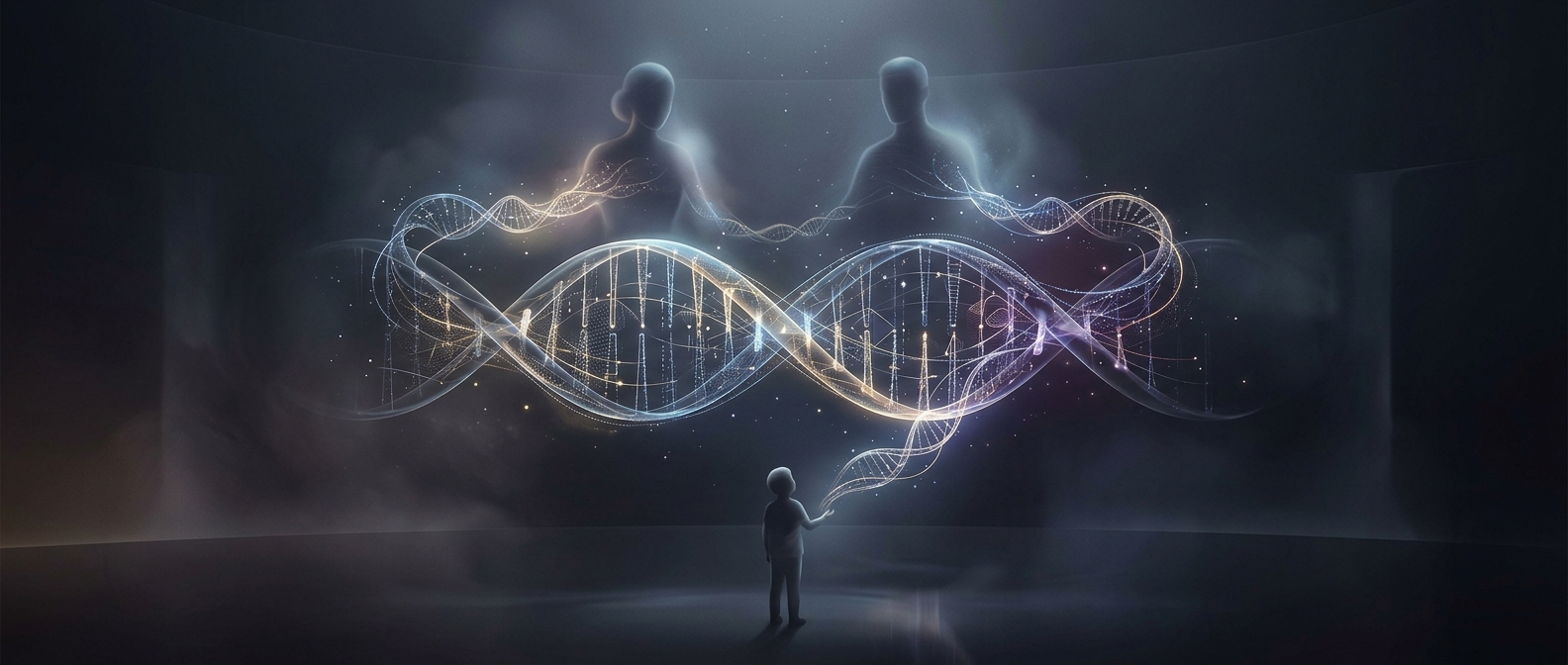
Genes operate alongside development, experience, surroundings, and choices. Even when a variant modestly shifts a tendency, it does not make an action inevitable or erase responsibility for it. The useful takeaway is narrower: inherited biology may be one piece of how people differ, but understanding behavior requires looking beyond a single gene—and beyond the gene alone.