Why the Same Shot Can Play Differently
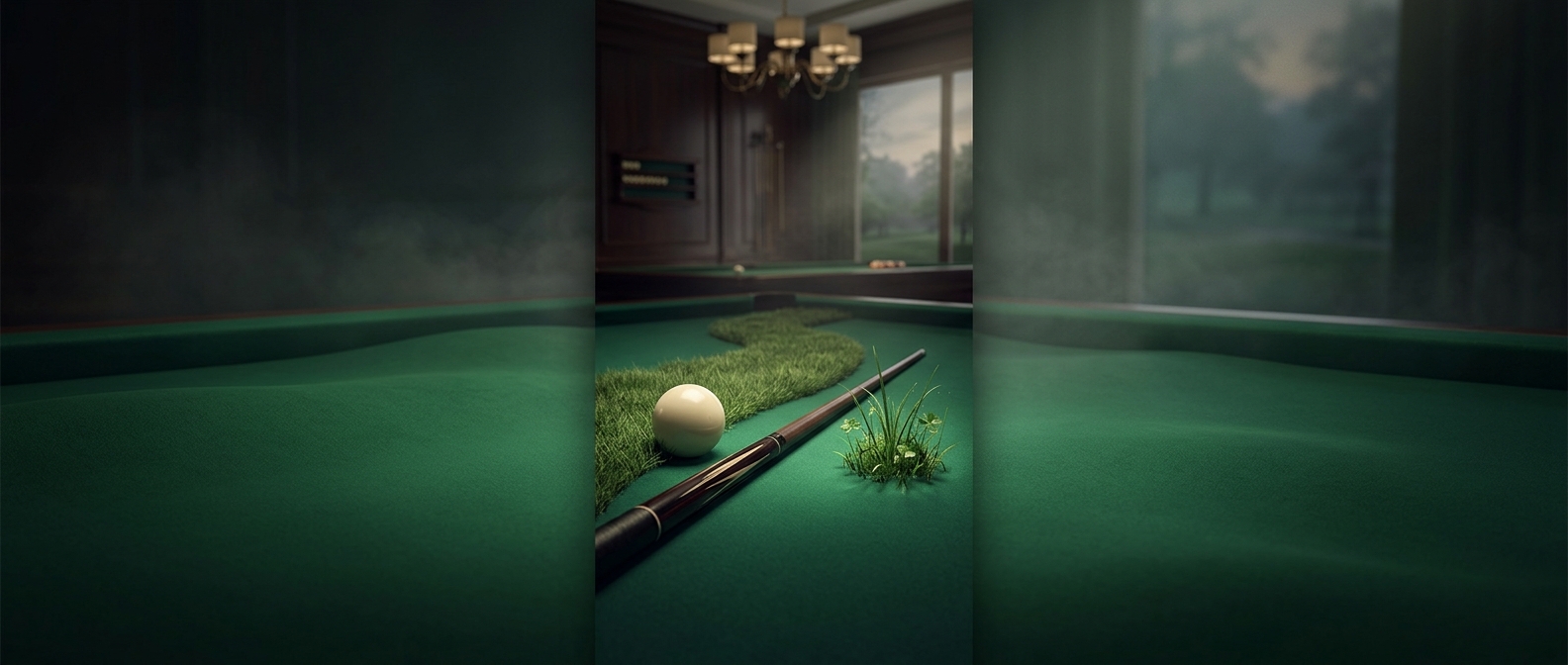
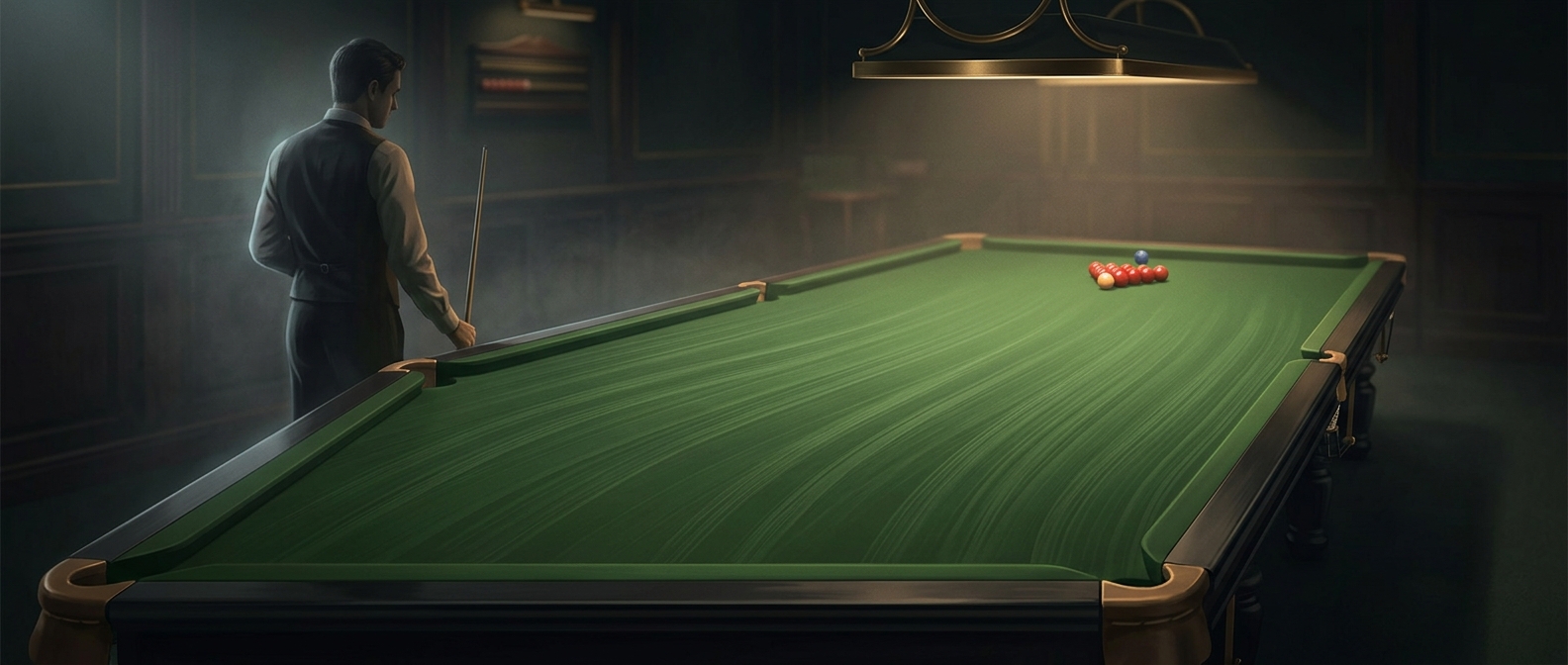
A snooker ball does not simply glide over a perfectly smooth surface. The cloth’s tiny raised fibers create drag, and their common direction makes that drag uneven. A ball traveling with the nap encounters less resistance; traveling against it, the fibers push back more. The effect is subtle, but it can change how far a ball runs—especially on a long, slow shot, when a small difference in resistance has time to accumulate.
The nap can also influence a ball carrying sidespin. As the spinning ball rolls, the cloth’s directional drag can tug it slightly off its expected line. Players therefore have to account for the table, not just the geometry between cue ball and target. A shot that looks like a straight route may need a small adjustment if it runs across the nap.
Reading the Cloth Is Part of the Game
Players learn the table’s behavior through practice and observation, then adjust pace, aim, or spin to suit it. That makes cloth condition a practical part of shot-making: two tables with the same dimensions can reward slightly different decisions if their nap behaves differently.
The result is a distinctive snooker challenge. Players are not only judging angles; they are predicting how the surface will treat a moving ball. On a delicate safety shot, where the goal is to leave the opponent an awkward next move, that tiny directional difference can decide whether the cue ball stops in the intended position—or drifts just far enough to leave an opening.