Karaoke Gives Crime-Game Characters a Different Register
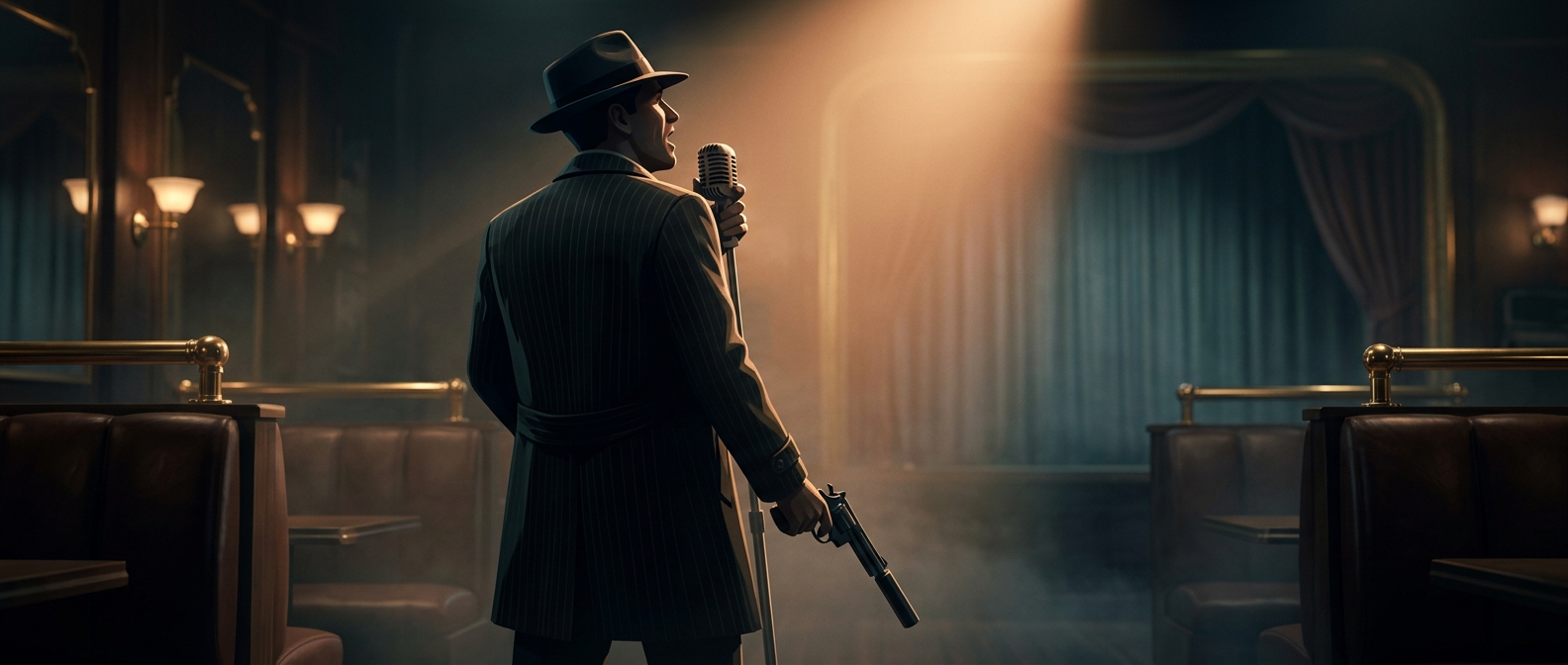
In the Yakuza games, karaoke is more than a joke about intimidating gangsters choosing sentimental songs. It creates a sharp change of register: the same characters who navigate threats and rivalries can step into a booth, follow a rhythm, and perform lyrics about longing or heartbreak. The contrast makes their tough public personas feel less like their whole identity.
A Side Activity That Reveals Character
Karaoke is optional, so it does not interrupt the central crime plot for every player. But when a player chooses it, the game briefly shifts from watching a character act in the story to actively performing as that character. Timing button presses to the music makes the scene playful; the song and performance animations can make it unexpectedly earnest.
That small change in control matters. A character’s tenderness is not explained in a speech or revealed only through a dramatic confession. It appears in an ordinary social pastime, where the player can linger or move on. The game lets bravado and vulnerability occupy the same world without insisting that one cancels out the other.
The Contrast Is the Point
The neon booth also offers a compact tonal reset between heavier scenes. Rather than making the criminal setting uniformly grim, karaoke gives players a low-stakes way to spend time with its characters—and makes the return to conflict feel more striking. The memorable image is not a mobster becoming harmless; it is a formidable person choosing, for a few minutes, to sing his heart out.