A million words built for a city you explore
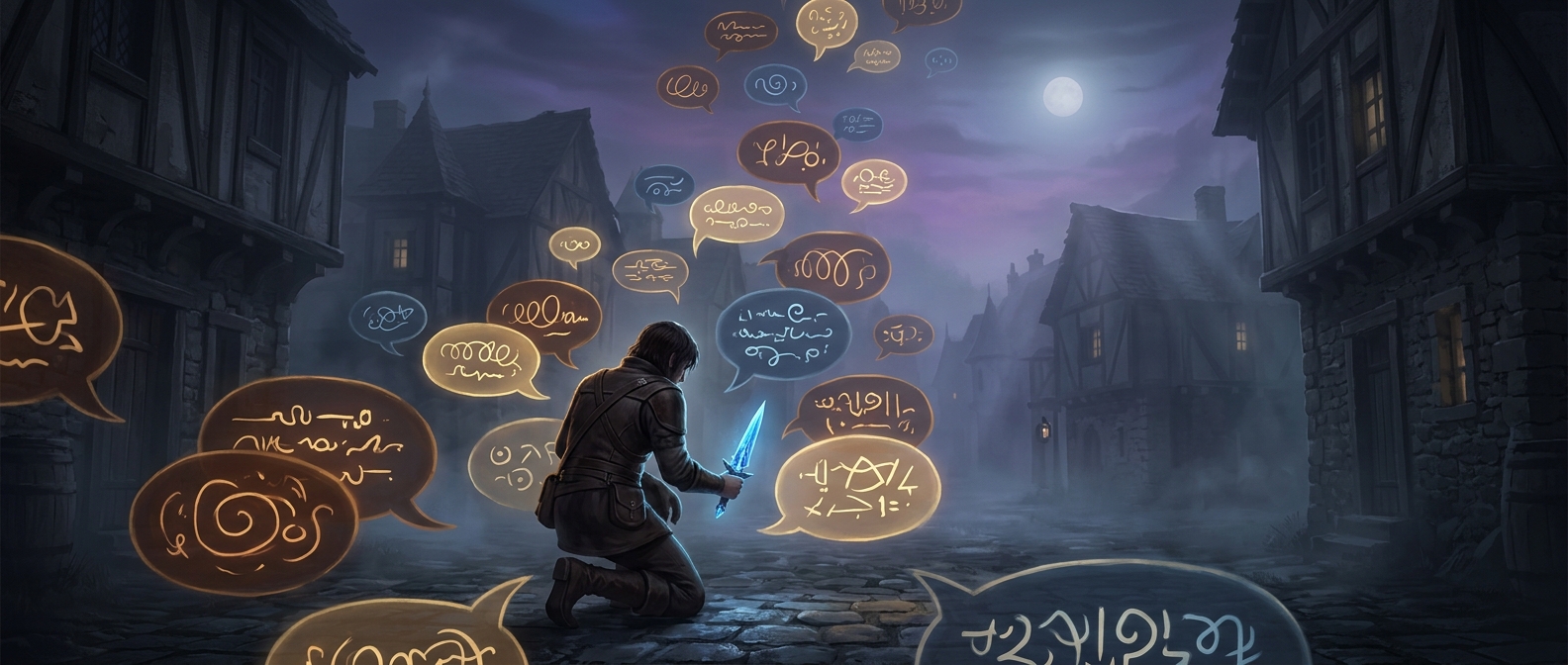
A huge script in an open-world role-playing game is not one uninterrupted story. It is a collection of possible moments: conversations that change with a player’s choices, ambient remarks heard while moving through the city, and text entries that can be read or missed entirely. The word count adds these different kinds of writing together, even though no single player encounters all of them in sequence.
That structure lets the world keep speaking when the main plot pauses. A passerby’s comment can make a street feel inhabited; a message or log can supply context without stopping play for a long explanation. Optional material also gives curious players a way to learn more while allowing others to stay focused on the immediate task.
Branches create writing work—and limits
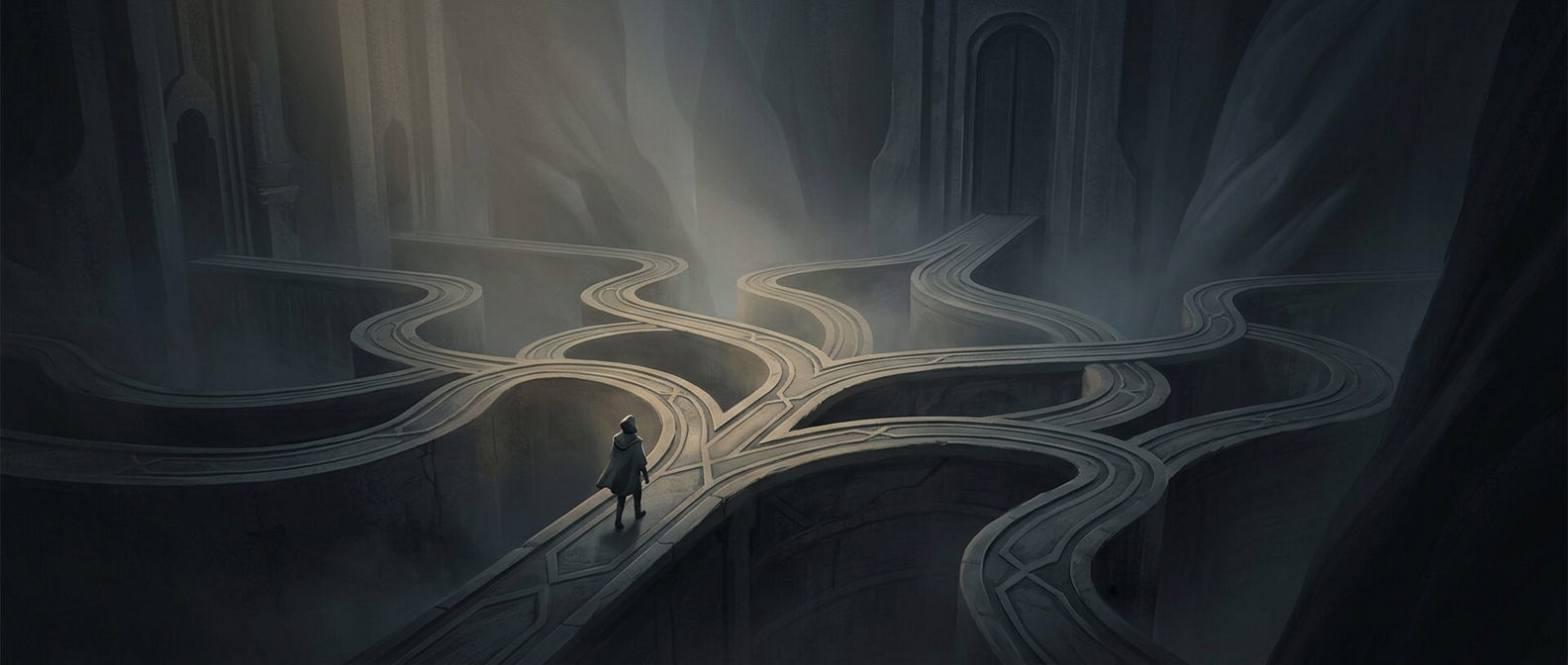
In a branching conversation, a line may depend on what the player has already done or chosen. Writers must make those responses understandable in context, while ensuring that the conversation can still move forward when a player takes a different route. Some branches reconnect; others lead to different information or outcomes. Each added path creates more material to write, review, record, and fit into the game.
This is why a large script does not mean every decision opens an entirely separate adventure. Games have to keep branches manageable: choices can alter a response, reveal a detail, or change how a scene unfolds without requiring a wholly new story from that point onward.
Text that most players will never see
The total also includes fragments distributed across the game rather than delivered in a mandatory sequence. One player may hear a particular exchange or find a particular log; another may pass it by. The scale reflects the density of the written world as much as the length of the central plot—and helps explain why exploring the same city can yield different pieces of its story.