How a Game Can Offer Choice Without Changing Its Ending
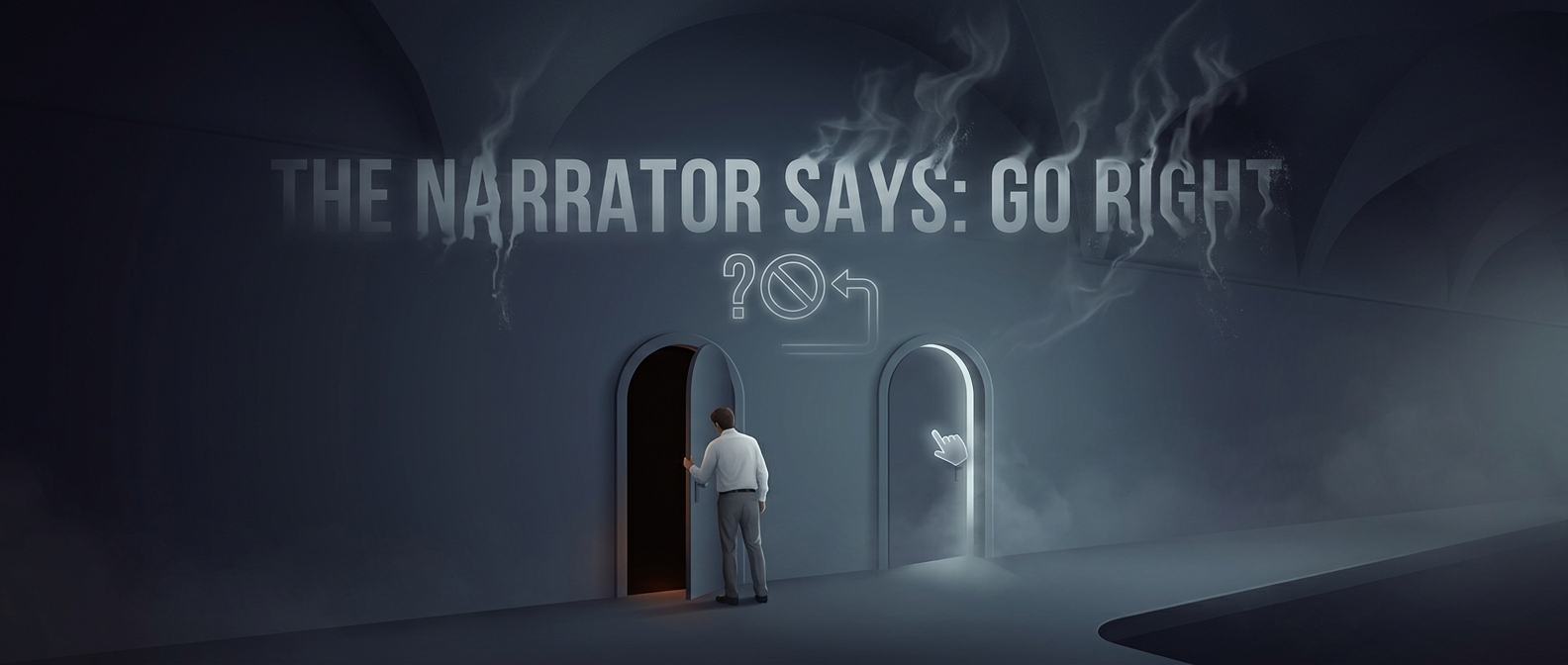
A dialogue choice can change how a scene feels without changing what happens next. One reply may make the player character sound warm, another suspicious, and a third sarcastic; the other character can respond differently for a few lines, while all versions eventually reach the same plot point.
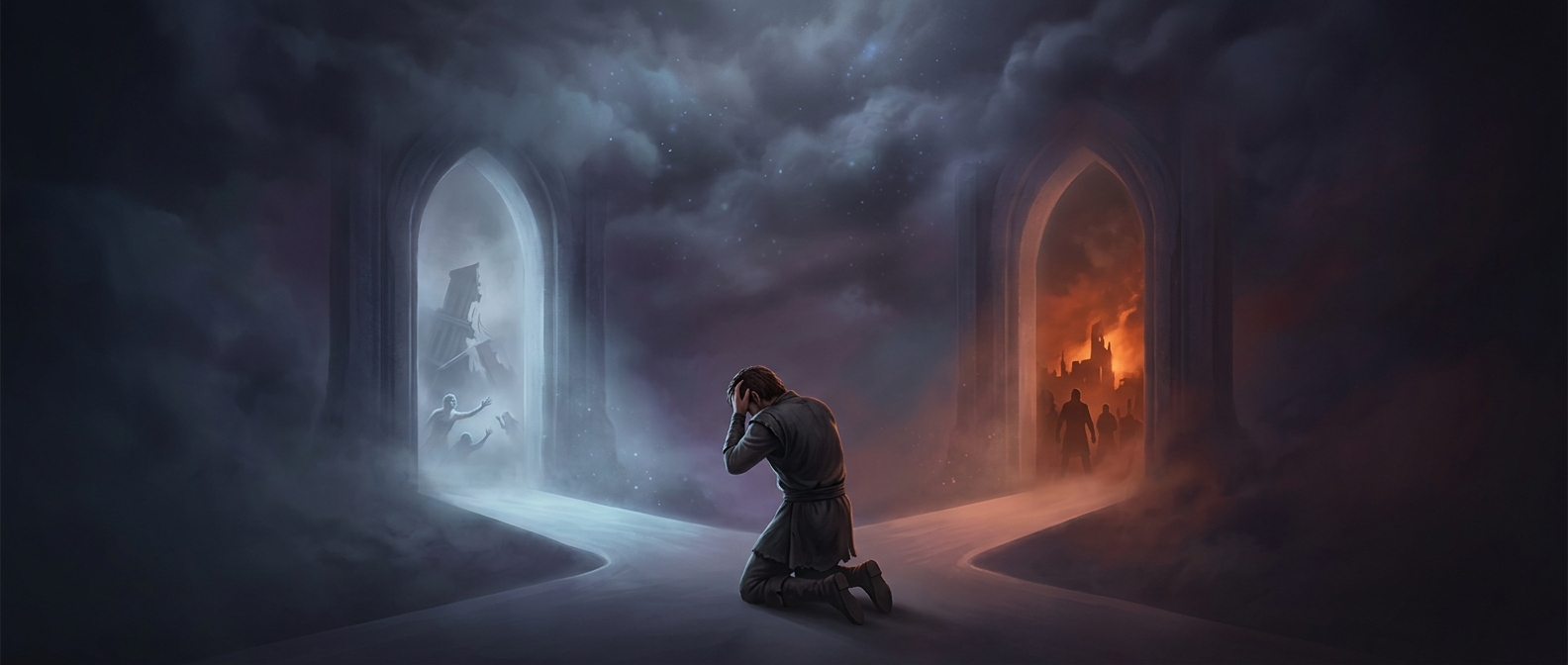
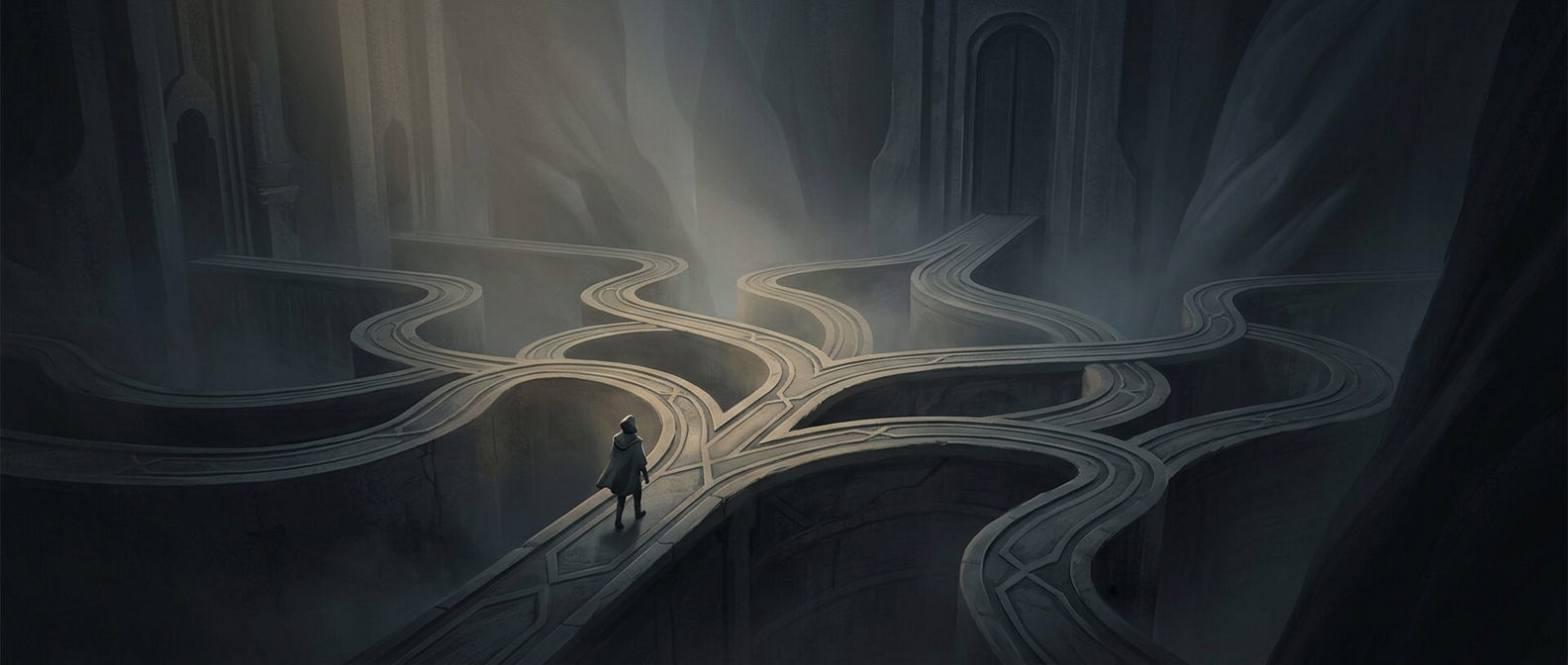
This is often called a branch-and-rejoin structure. The conversation splits briefly, then its paths merge at a shared scene or event. The choice still shapes the exchange, but it does not create a lasting alternate storyline.
Why Designers Let the Paths Rejoin
Every branch asks the game to support more content: dialogue, performances, animation, testing, and sometimes later scenes that remember the decision. If one early choice creates a separate storyline, later choices can multiply the number of combinations the team must write and build. Rejoining branches lets designers make a conversation feel responsive while keeping the larger story manageable.
That structure also protects pacing. A game can deliver a carefully timed revelation or bring characters together for a later scene, regardless of whether the player was polite or confrontational along the way. The tradeoff is clear: the player may influence characterization and mood, but not the destination.
The Choice Can Still Matter in the Moment
A different tone can change how a character reacts, what the player learns, or how the protagonist comes across. Those effects are smaller than an alternate ending, but they can make a conversation feel personal rather than like a fixed block of exposition. The key is whether the game signals what kind of influence the choice offers.
When every route converges, the choice is less like steering the plot and more like choosing the manner of arrival. The ending stays fixed; the player decides what the journey through that conversation sounds like.