When a Risk Turns Into a Test
A game feels tense when a choice might go badly and you have to live with what follows. Reloading after every setback changes that bargain. Instead of asking, “What can I do now?”, you start asking, “Which option gives me the best result if I keep trying?” The scene becomes a test with an answer to discover, not a situation to navigate.
That shift can drain a game’s uncertainty. A risky conversation, a narrow escape, or a costly battle may feel gripping precisely because the outcome is not guaranteed. If you can rewind until everything goes your way, the danger becomes provisional. Even a success can feel less like an achievement and more like the correct result you eventually extracted.
The Cost of a Perfect Run
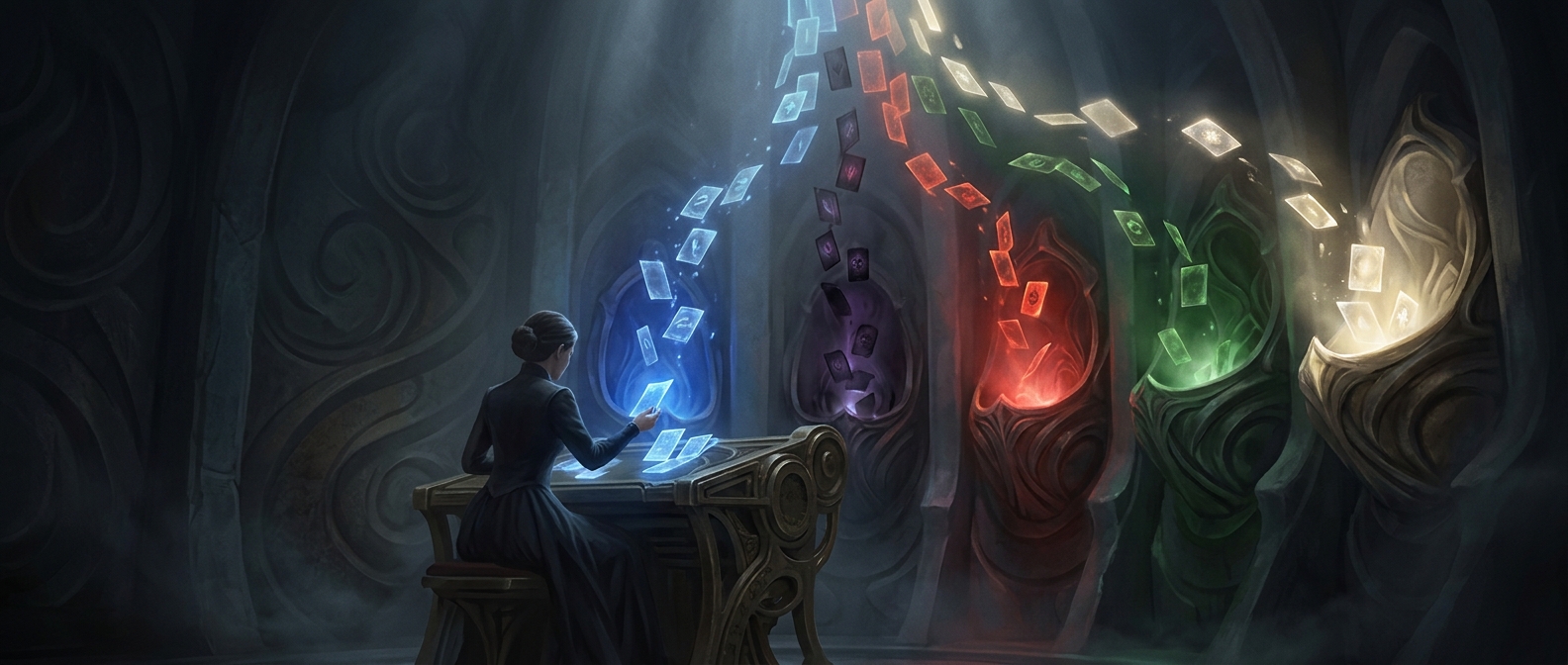
Repeated reloading also changes what the player pays attention to. Instead of following the story or making decisions in character, you may start tracking hidden outcomes: which dialogue choice avoids offense, which route preserves every resource, or which move prevents a companion from getting hurt. The game’s possibility space narrows to one imagined “best” timeline.
That can make progress feel slower and more tiring. Each mistake creates another loop—reload, repeat, adjust—while surprising consequences are erased before they can become part of the adventure. In games built around consequences, failure can produce a new story; removing it often removes those unplanned turns too.
Why the Temptation Is Strong
Saving and reloading are useful tools. They can help when a game is confusing, a mistake is irreversible, or a player simply wants to see a different outcome. But when every imperfect result triggers a reset, the tool can quietly turn play into perfection management.
The loss is not that every bad outcome is secretly enjoyable. It is that a run with flaws can still belong to you: you adapt, accept a cost, and see where the altered story leads. Sometimes the most memorable moment is the one a perfect save would have erased.