Why a Mild Dialogue Option Can Escalate
A dialogue choice is often a label for a larger, prewritten scene—not a promise about the exact words or actions the character will use. “Disagree” may only tell the game which branch to play. The script then supplies a response shaped by the scene’s conflict, the character’s personality, and what the writers want to happen next.
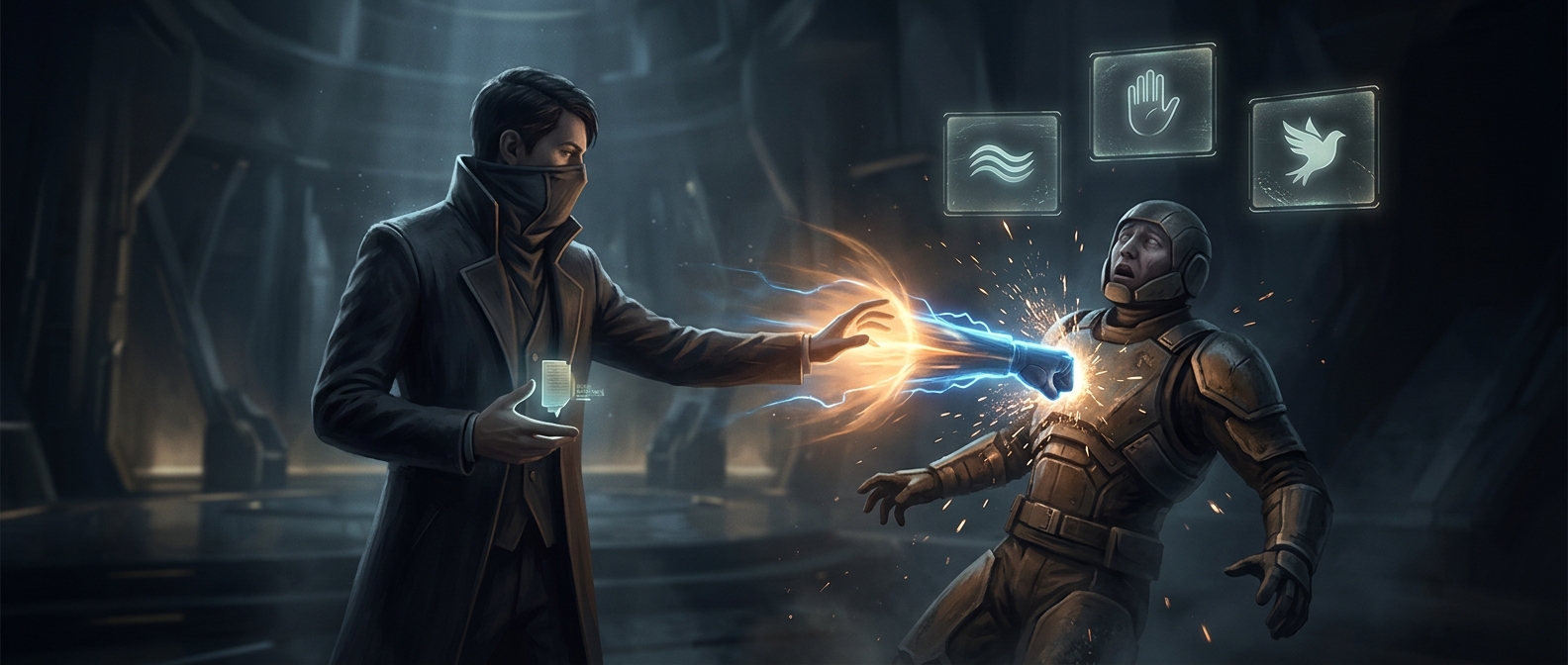
That gap can make a choice feel harsher than its wording suggests. A player may read “Disagree” as a calm objection; the character may deliver it as an insult or a threat. If the scene turns physical, the option has effectively bundled an opinion with an escalation the player was not clearly asked to choose.
The Tradeoff Between Short Labels and Clear Intent
Games need compact choices that fit on screen and are quick to scan. But a short label has to summarize not just a position—agree or disagree—but often a tone and a tactic: polite, sarcastic, confrontational, or violent. When those dimensions are squeezed into one word, the player has little warning about how the character will express the choice.
Writers can reduce that uncertainty by previewing tone in the option itself, such as “Tell them you disagree” versus “Threaten them for disagreeing.” The longer wording takes more space, but it makes the player’s control more meaningful. Otherwise, the surprise may be dramatic for the character in the scene and frustrating for the person holding the controller: the game has made a consequential choice look like a minor one.