When a Joke Depends on a Written Character
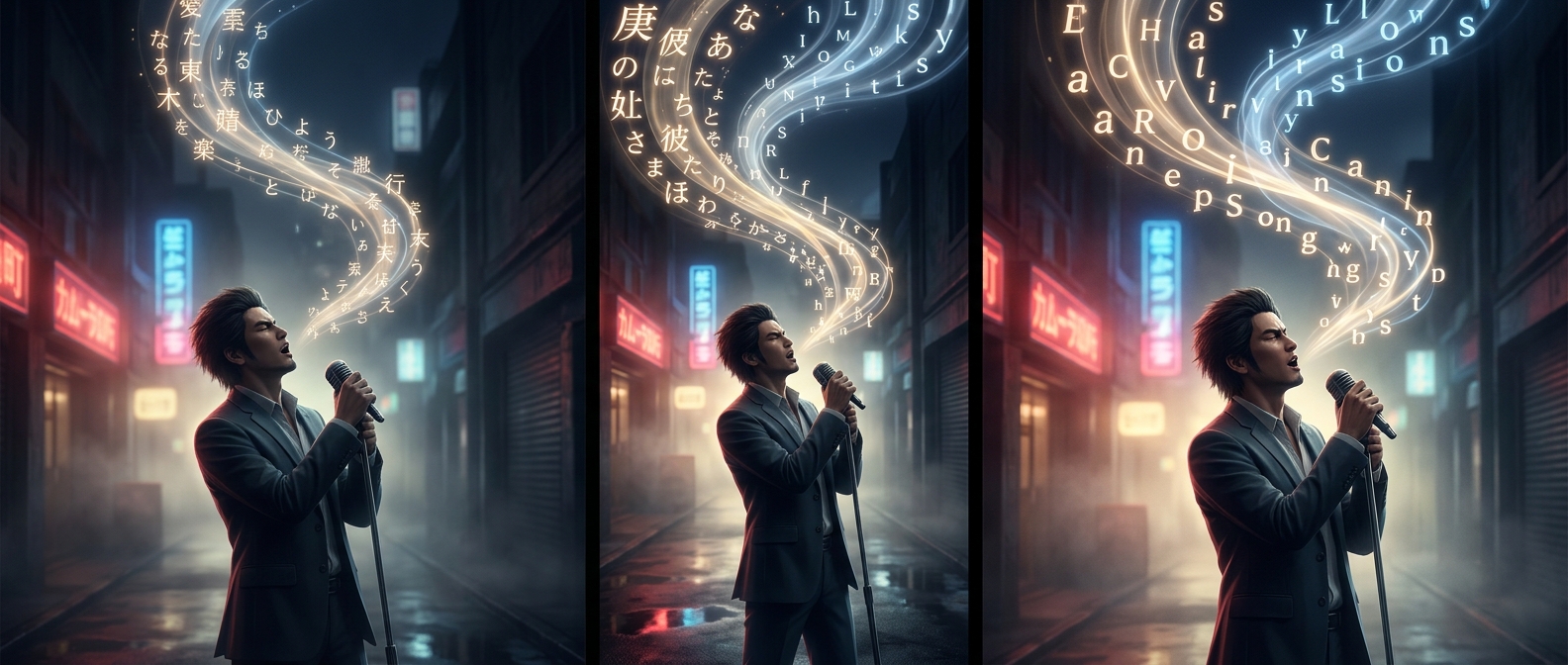
Some Japanese wordplay works because a kanji—the character used to write a word—can carry meaning or suggest another word through its reading. A punchline might hinge on two words that sound alike, a character that looks unexpected in context, or a written form with a second interpretation. Translate the words literally, and the English line may explain the setup without delivering the laugh.
In a game, that mismatch can be especially visible. The joke may arrive in a speech bubble, during a fast exchange, or alongside a character’s reaction. A long explanation can spoil the timing; leaving the original pun intact may leave players puzzled.
Keep the Scene, Change the Wordplay
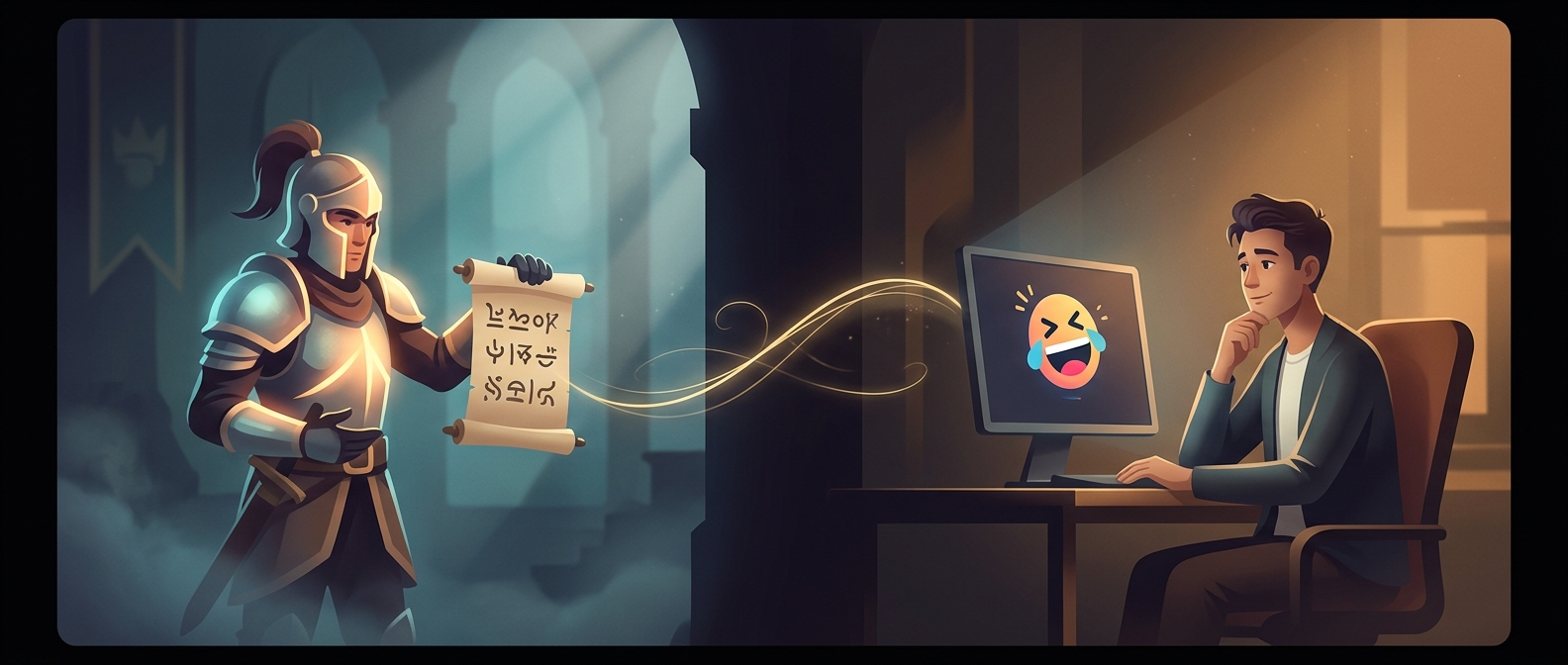
A translator can instead build a new joke around what the scene needs to accomplish. If a character is meant to sound clever, the English version can use a different pun. If the gag depends on a misunderstanding, the replacement can create a misunderstanding that makes sense in English. The wording changes, but the dramatic job stays: set up an expectation, break it, and prompt the same kind of reaction.
That choice has constraints. The new line must fit the speaker, the situation, and often the limited space on screen. It also has to work with what players see and do next; a joke that contradicts the scene can be more distracting than no joke at all. Good localization preserves the punchline’s purpose, not necessarily its original words. The result may be a joke that could not have been translated literally because it was invented to belong in that scene.