Why a Character’s Name May Change
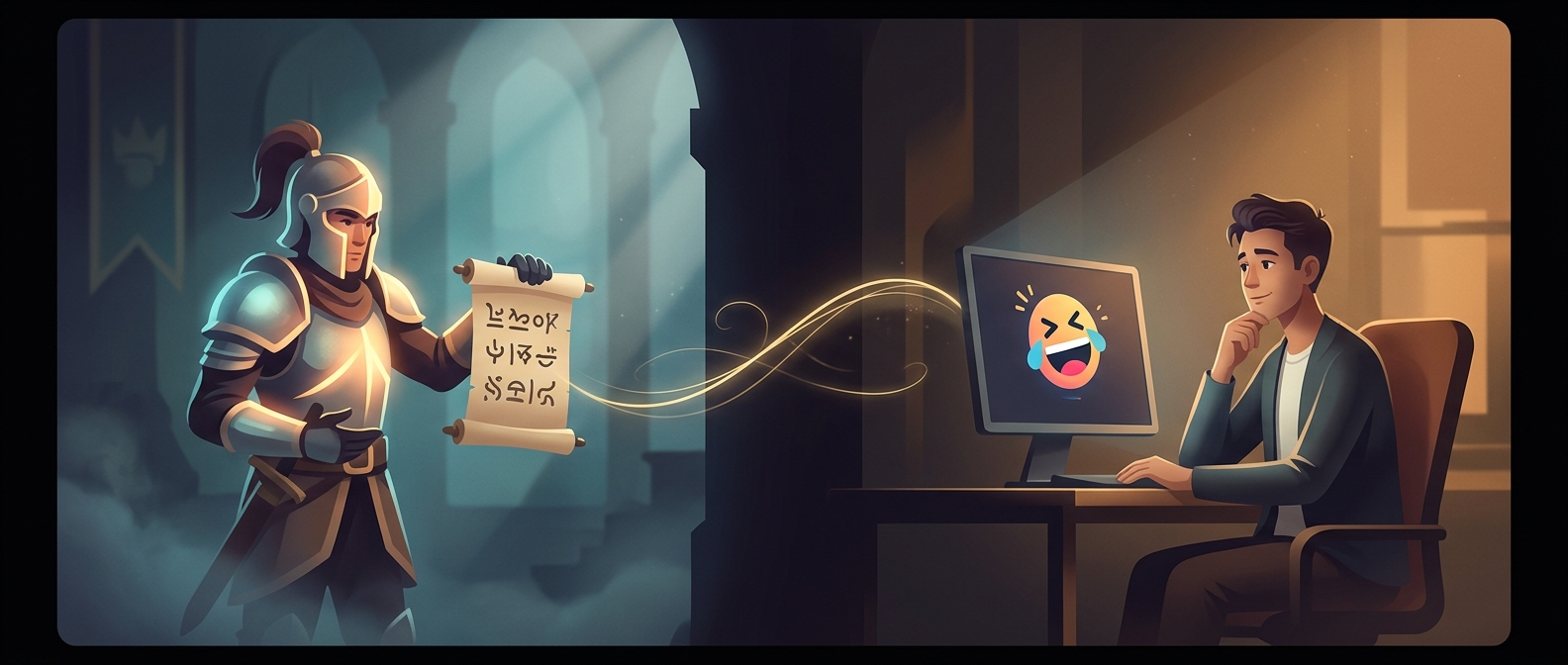
A name that feels ordinary in one language can be awkward, hard to pronounce, or carry an unintended meaning in another. Localization teams—the people who adapt a game for different regions—may therefore choose a different name rather than translate the original literally. The aim is to help the character feel legible to local players while preserving the role and personality the name is meant to suggest.
More Than a Word-for-Word Translation
Names can carry clues: a pun, a reference, a particular tone, or a link to another character. Those clues may disappear when translated. A replacement can rebuild the effect using sounds or associations that work in the new language. Teams also consider practical issues such as whether a name is easy to say aloud, fits in menus or subtitles, and can be used consistently across the game.
The choice is a tradeoff. Keeping the original can preserve continuity for international fans, but may leave local players with a name that is confusing or unintentionally comic. Changing it can make the character more natural in that market, but creates a difference players may notice when they discuss the game across regions.
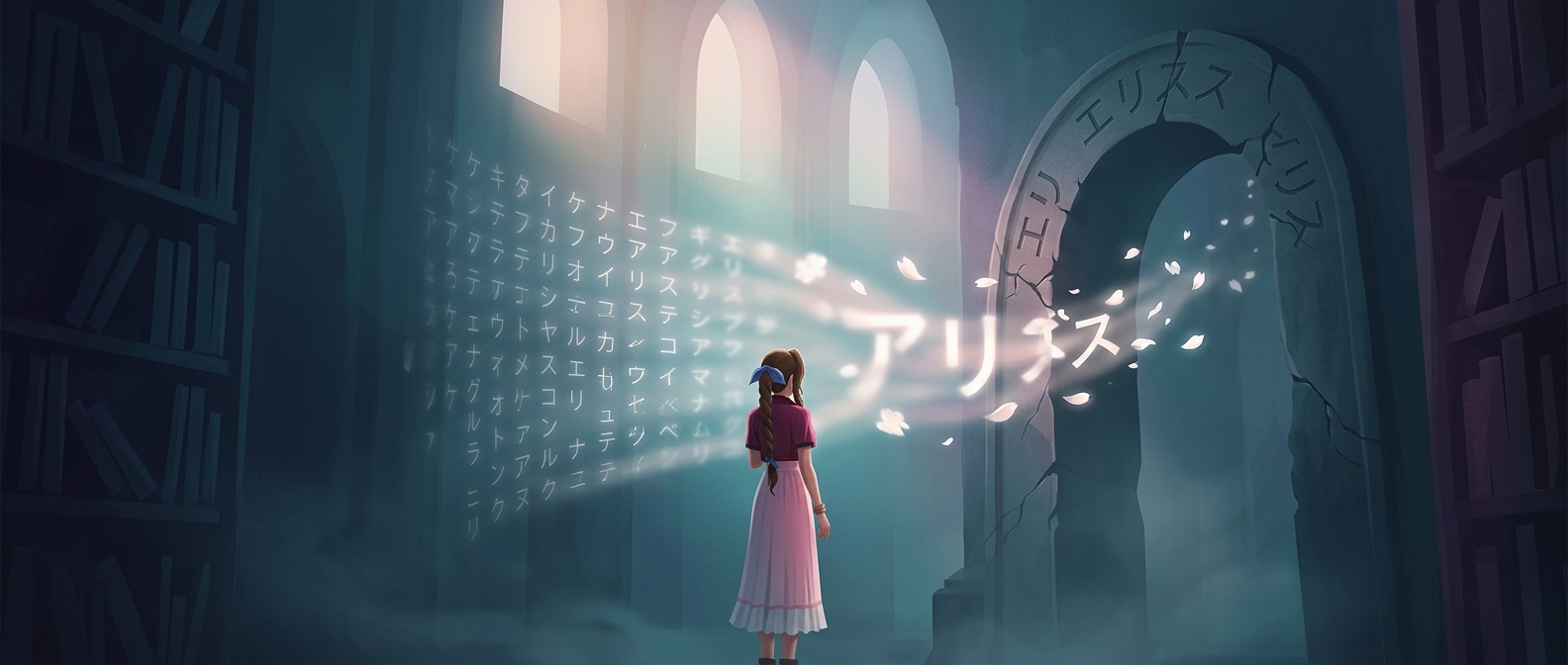
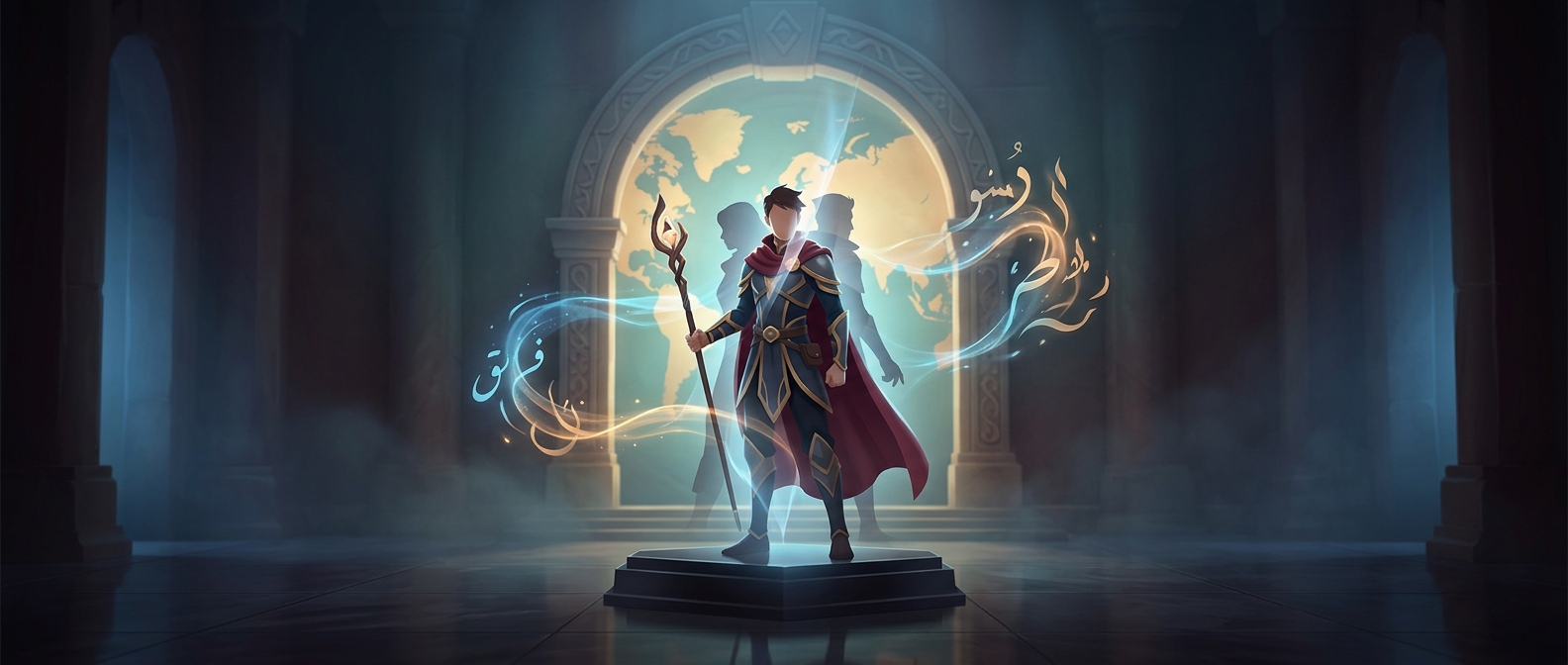
One Character, Several Local Identities
A localization is not always a neutral swap of words; it is a set of decisions about what should travel and what should be adapted. Teams weigh the name against the character’s design, dialogue, and place in the story. When the name is central to a reveal or wordplay, changing it may require adjustments elsewhere so the story still makes sense.
That is why regional versions can give the same character distinct names without changing who the character is. The name is adapted to carry its intended effect—not necessarily its original sound—into another language.