How Fictional Brands Make Game Worlds Feel Lived-In
A city street with blank storefronts and empty billboards feels unfinished. Real-world advertising supplies a quick visual shorthand: logos, product colors, and familiar layouts make a setting look busy and commercial. But putting an actual company’s identity into a game can require permission, especially when the brand is prominent or tied to a product. That can mean licensing costs and negotiations over how the company appears.
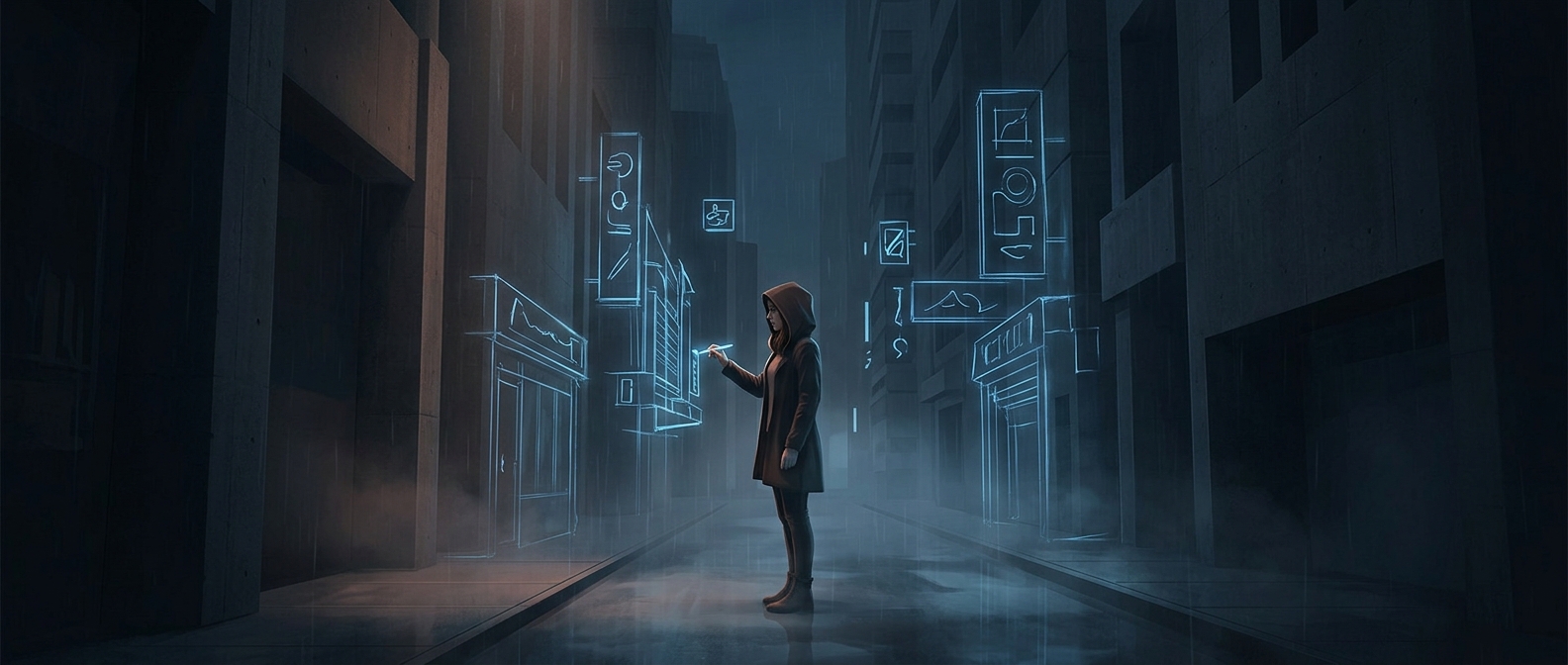
Invented brands give developers the same visual texture without committing to a real advertiser. Artists can tailor a sign to the setting—a futuristic energy drink, a local radio station, or a shop that fits the game’s fictional neighborhood—instead of making the world accommodate a real company’s branding. The result can also avoid distracting players with a logo that feels out of place or pulls them back toward the real world.
A Small Sign Can Do Worldbuilding
Fake names and logos are useful beyond billboards. They can recur on vending machines, storefronts, packaging, and in-game broadcasts, making the environment feel connected rather than assembled from unrelated props. A made-up brand can even hint at the world’s tone: a polished corporation suggests something different from a scrappy neighborhood business.
The tradeoff is that fictional ads need to look convincing without accidentally resembling real brands too closely. When they work, players may barely notice them—and that is the point: the street feels full, while the game’s setting stays under the creators’ control.