Why a game’s “script” can become a warehouse-sized burden
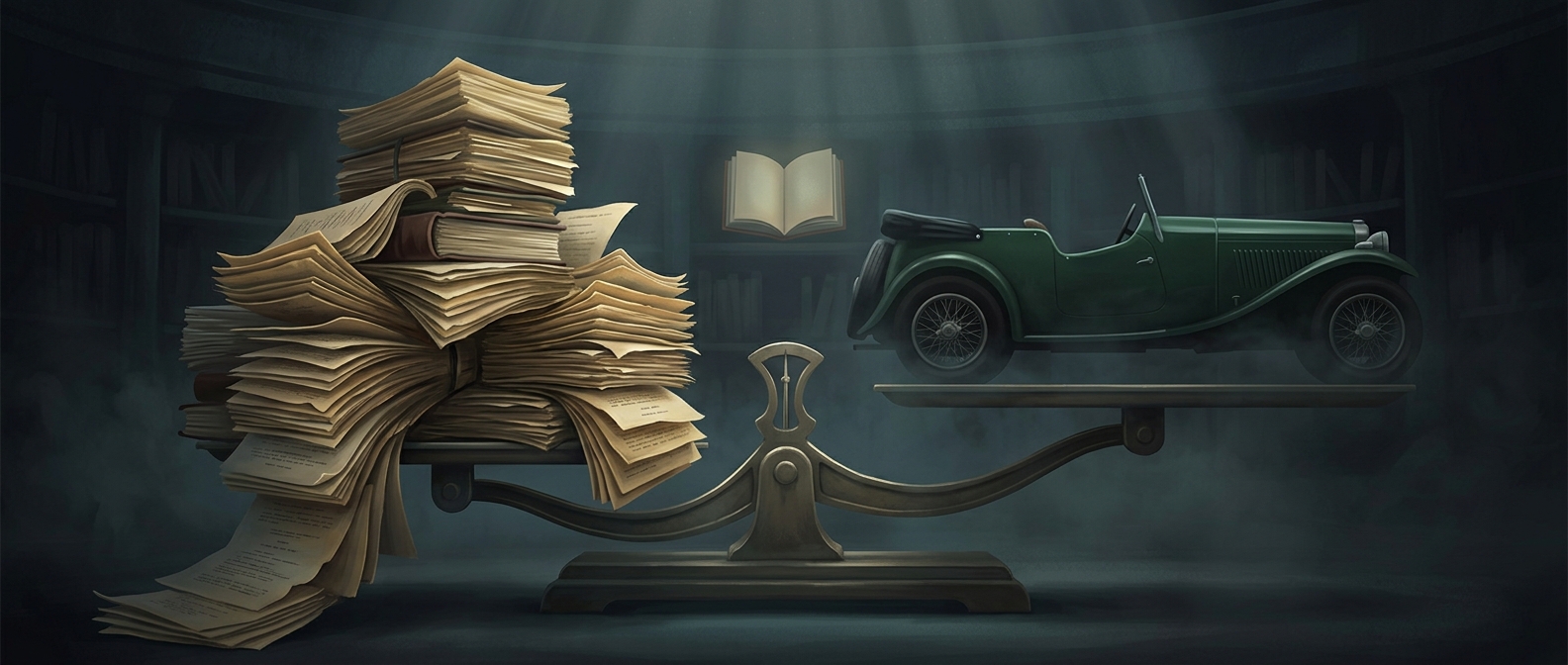
A dialogue-heavy game does not necessarily have one screenplay-like document. Its writing may span conversations, optional replies, alternate outcomes, character barks, and lines that play only under particular conditions. As the game changes, those lines are revised and reorganized; separate versions may also be prepared for actors, recording sessions, or translation. Printed across a production, the pages can add up to an astonishing amount of paper—even if no single script is remotely that large.
Tablets turn pages into a searchable, changeable document
Paper is awkward when a performer or production team needs the latest version of one scene among thousands of lines. Digital scripts can be searched, updated, and shared without printing and carrying another stack for every revision. That matters especially in games, where a conversation may branch: a player’s choice can send the story down one path while leaving other dialogue unused in that playthrough.
The tablet does more than lighten a bag. It makes a sprawling script easier to navigate as a working document, while reducing the need to circulate fresh piles of paper whenever dialogue changes. The surprising weight is less about one enormous book than about the many pages a large, frequently revised production can generate.