Breakfast Had to Work in Weightlessness
On Earth, a dropped crumb falls to the floor. In a spacecraft, it can drift through the cabin instead, where it may get into an astronaut’s eyes or nose, or reach equipment. That turns an ordinary breakfast nuisance into a problem of cabin cleanliness and crew comfort.
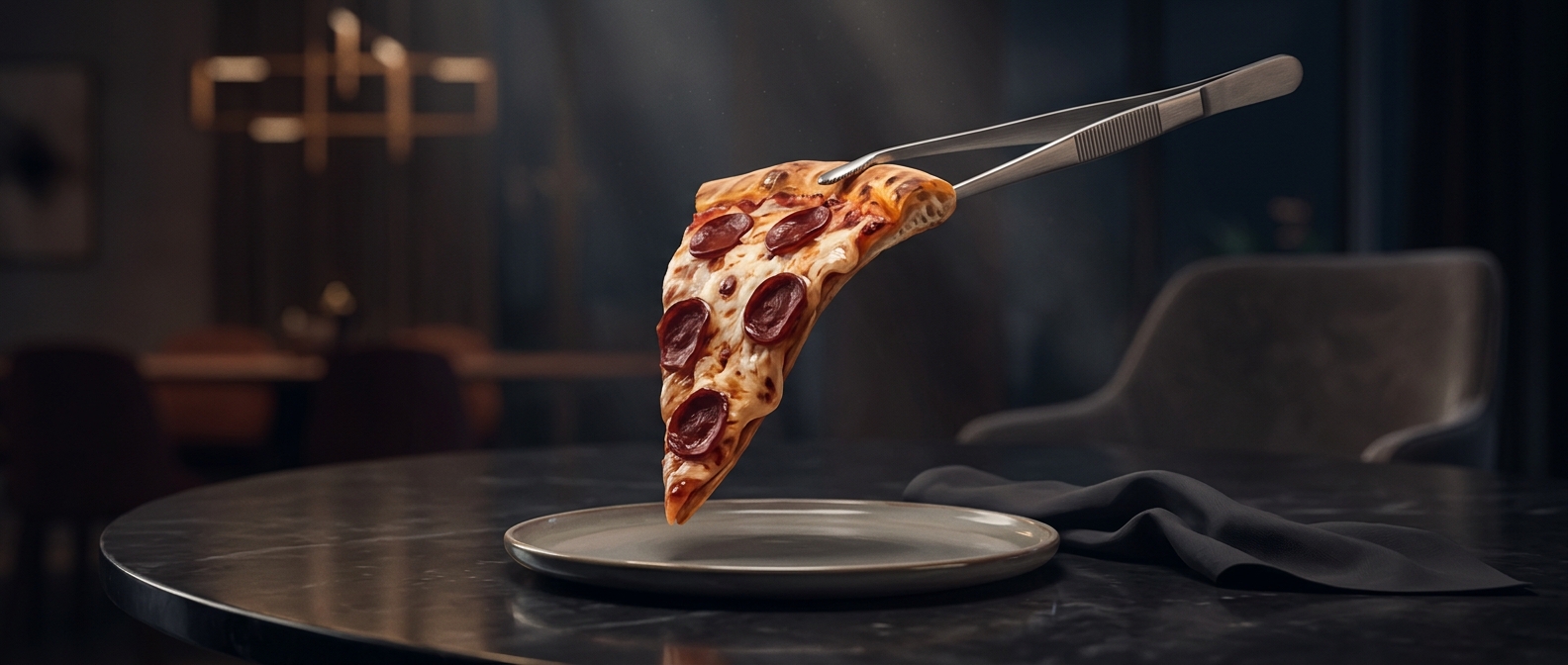
Food designers therefore had to consider not just taste and nutrition, but how each item behaved when opened and eaten. A food that could be handled in small portions without scattering bits was easier to manage in a crowded spacecraft than a flaky or crumbly one.
A Celebration With Practical Limits
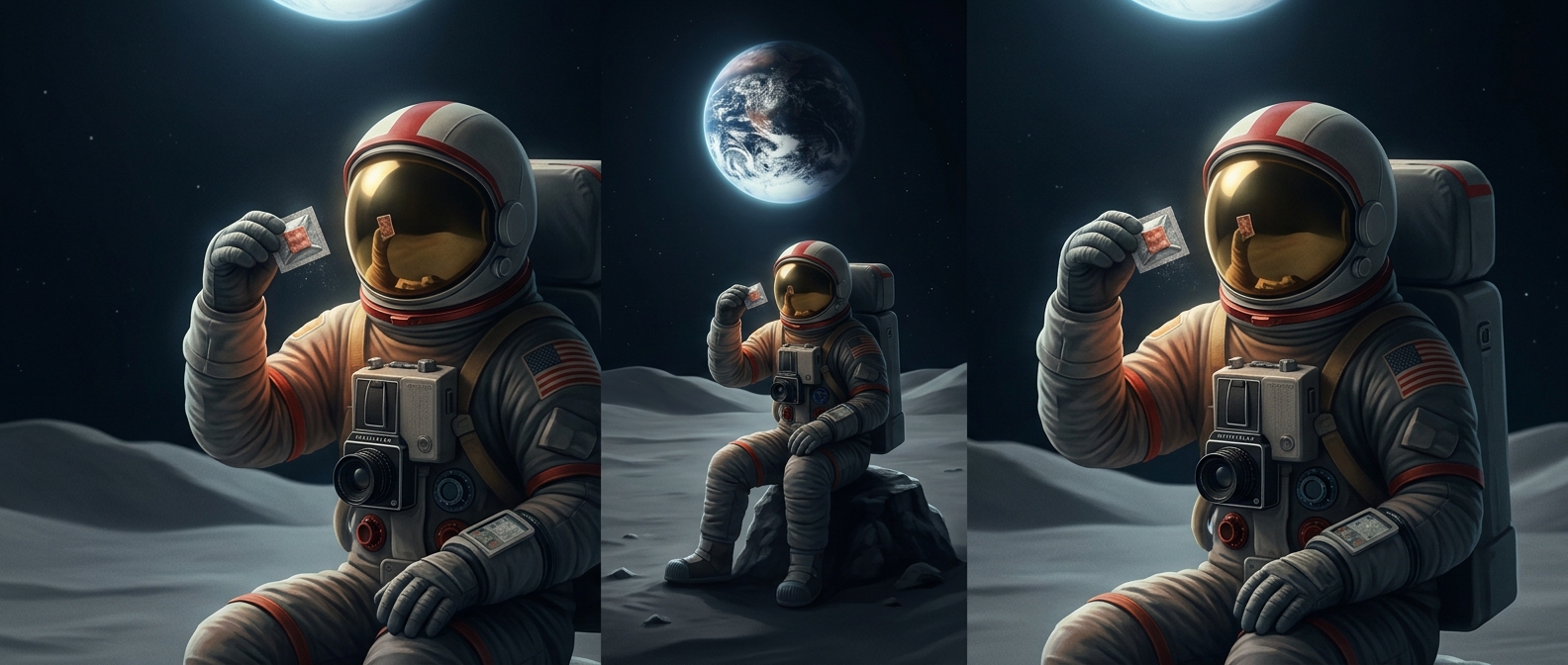
Apollo 11’s bacon squares show how even a special meal had to fit the realities of flight. The format made the food easier to eat without relying on a plate to catch debris—a simple design choice with real consequences when nothing naturally settles back down.
In space, keeping a meal tidy is part of keeping the cabin livable. The bacon squares were a reminder that, on the way to the Moon, even breakfast had to be engineered for its surroundings.