Why a Calm Plan Can Disappear Under Pressure
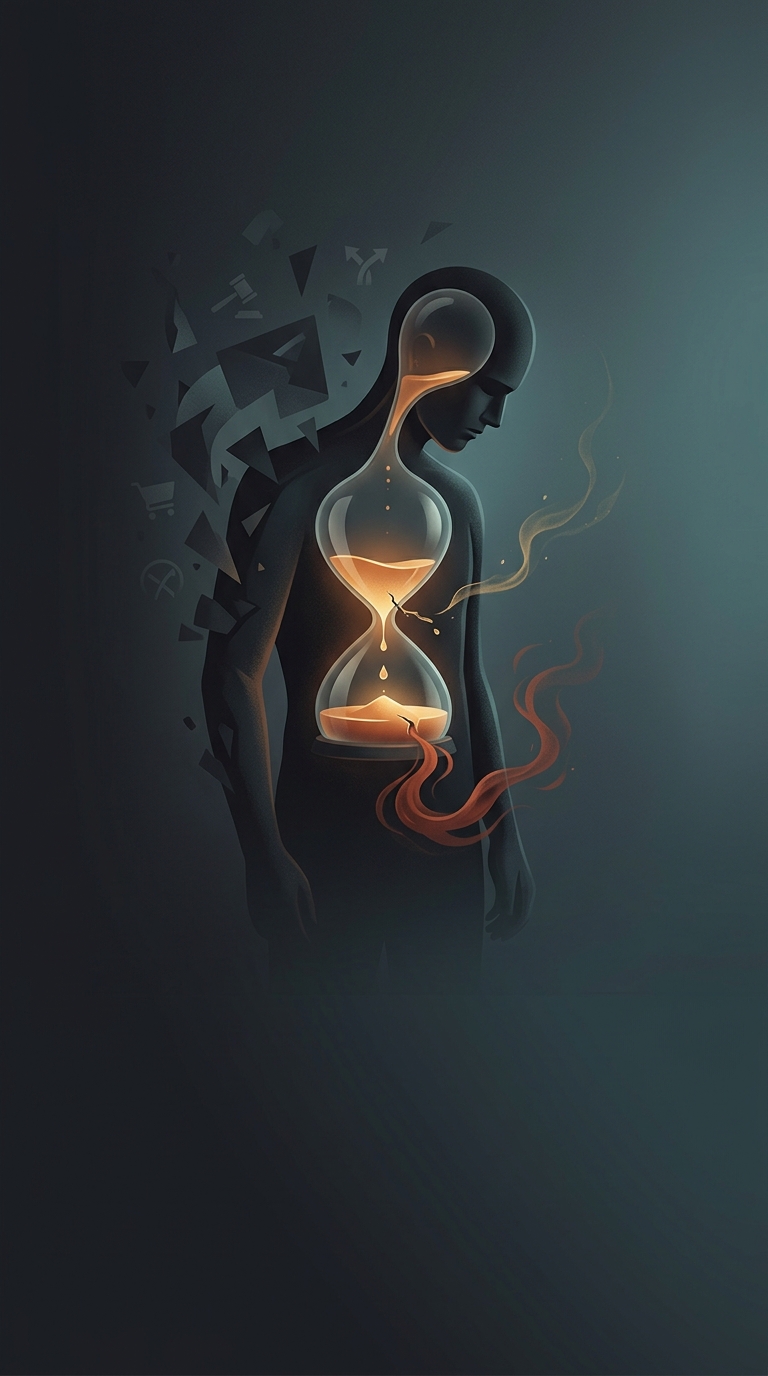
Imagine deciding, while relaxed and comfortable, that you will refuse a cigarette tomorrow. The plan may feel simple because the craving is absent: health matters, the cost is clear, and there is no urgent pull in the other direction. When a craving arrives, however, immediate relief can crowd out those considerations. The earlier decision was not necessarily insincere; it was made from a state that could not fully reproduce the later one.
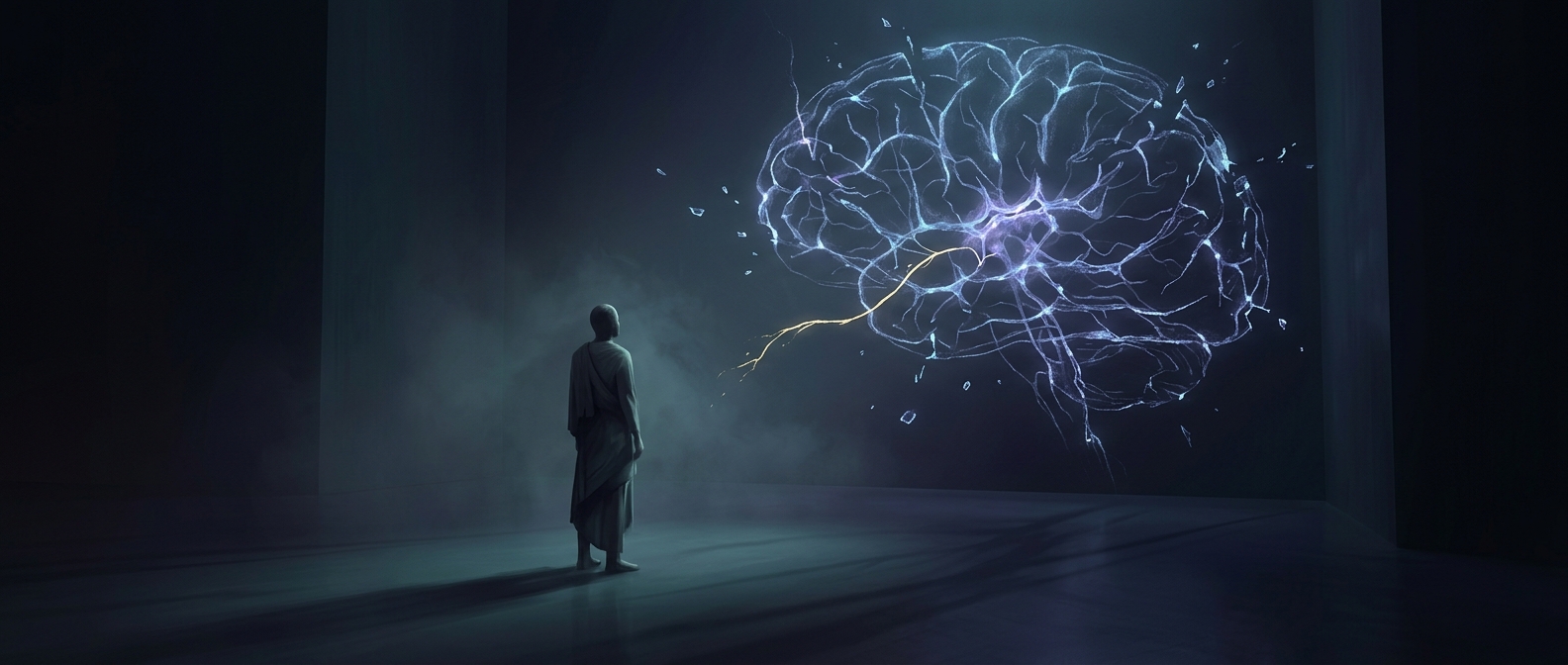
Psychologists call this the hot-cold empathy gap. “Cold” states are relatively calm; “hot” states involve strong bodily or emotional urges, such as hunger, pain, anger, fear, or craving. The gap appears when people in one state misjudge how the other state will shape their attention and priorities.
Why We Misread Our Future Selves
A calm person can understand, in the abstract, that a craving will be uncomfortable. But imagining discomfort is not the same as feeling it. Without the bodily urgency, the craving’s demand for immediate relief seems less compelling, so long-term intentions appear easier to follow than they may be in the moment.
The reverse can happen too. Someone in a hot state may assume that the urgency will last, or that its priorities will still feel decisive later. Once the state passes, the same choice can look different. In both directions, people treat their current perspective as a poor guide to how they will weigh competing needs in another state.
Turning the Gap Into a Better Decision
The practical lesson is to make important choices with the state change in mind. A person trying to avoid an impulsive purchase, for example, can decide in advance to wait before buying rather than relying on a heated moment to honor a calm intention. A person making a plan while comfortable can also ask what they will need when the urge actually arrives—not just what they think they ought to want.
That shift matters because a decision is shaped not only by a person’s principles, but by which needs feel immediate at the time. Planning for the hot state makes the calm plan less dependent on remembering priorities that may temporarily feel far away.