Steering began as a lever problem
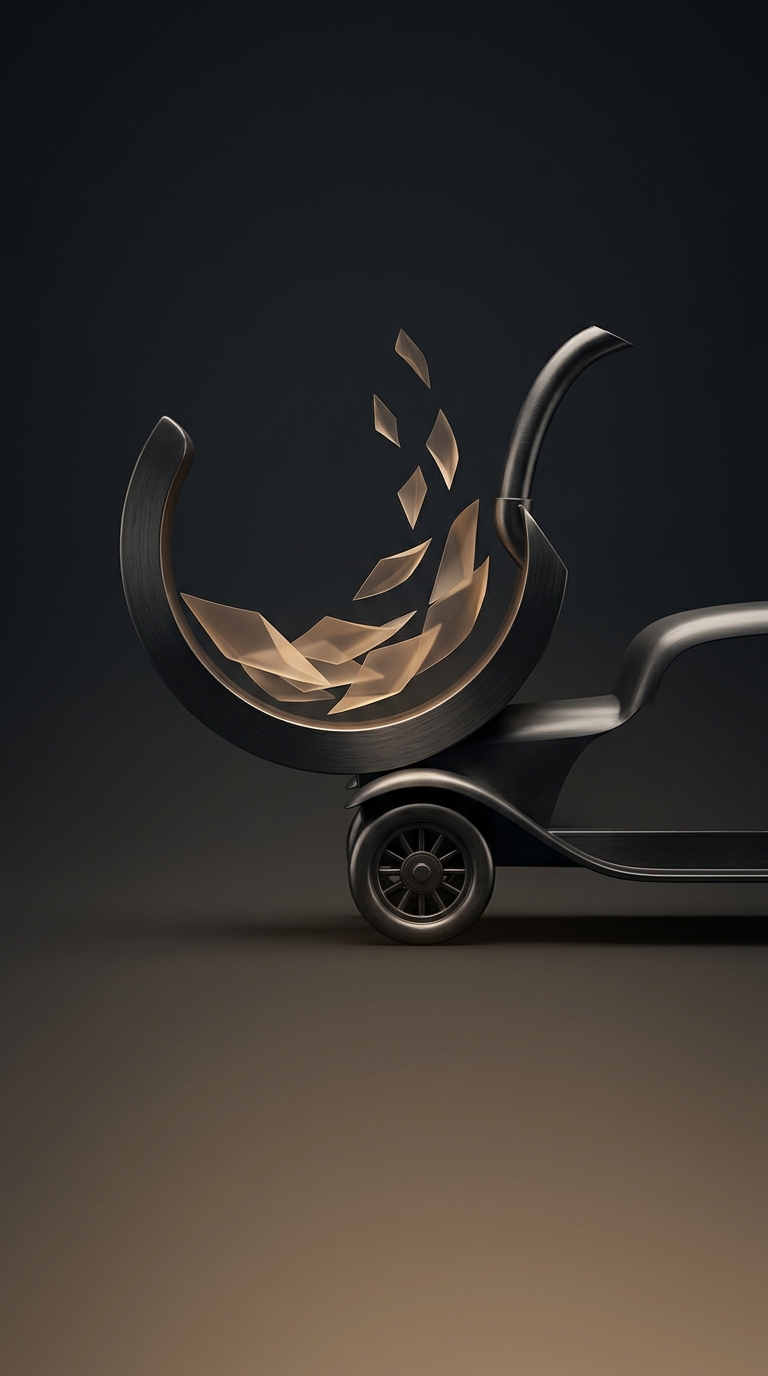
On some early automobiles, the driver’s tiller was connected to steering arms that changed the angle of the front wheels. Moving the lever didn’t turn the wheels directly; it shifted the linkage that held them, redirecting the car’s path. The arrangement was mechanically straightforward, but it asked the driver to guide a vehicle with a short, exposed control rather than the familiar rim used in later cars.
Why a wheel changed the feel
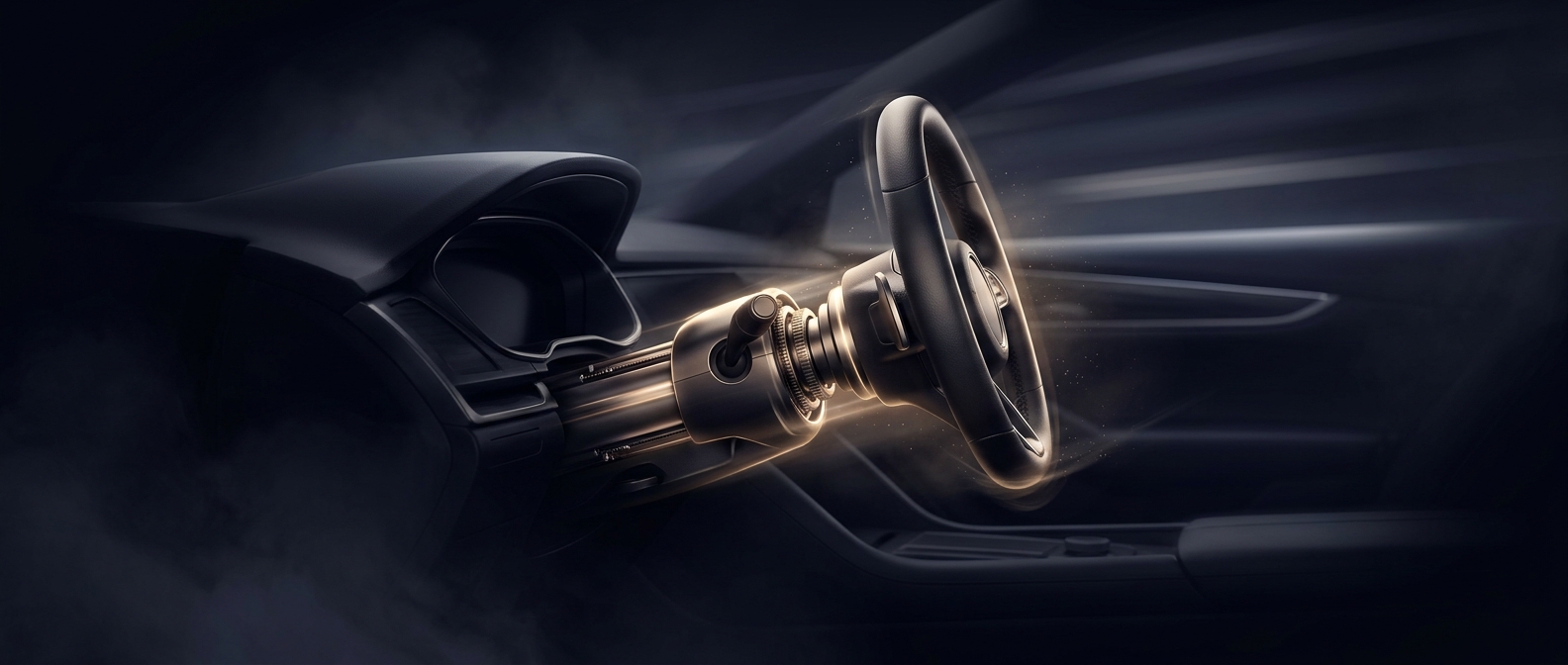
A steering wheel turns the driver’s hand movement into rotation around a central shaft. That motion travels through the steering gear and linkage to the front wheels. The wheel gives the driver several places to grip and makes it possible to apply gradual input across a continuous arc, rather than pushing or pulling a lever from side to side.
That mattered as automobiles became heavier and more capable of traveling at speed. A small adjustment could be made without having to reposition the whole arm, while larger turns could be built up by rotating the rim farther. Steering still required physical effort, but the control offered a more measured way to make it.
A different kind of driving posture
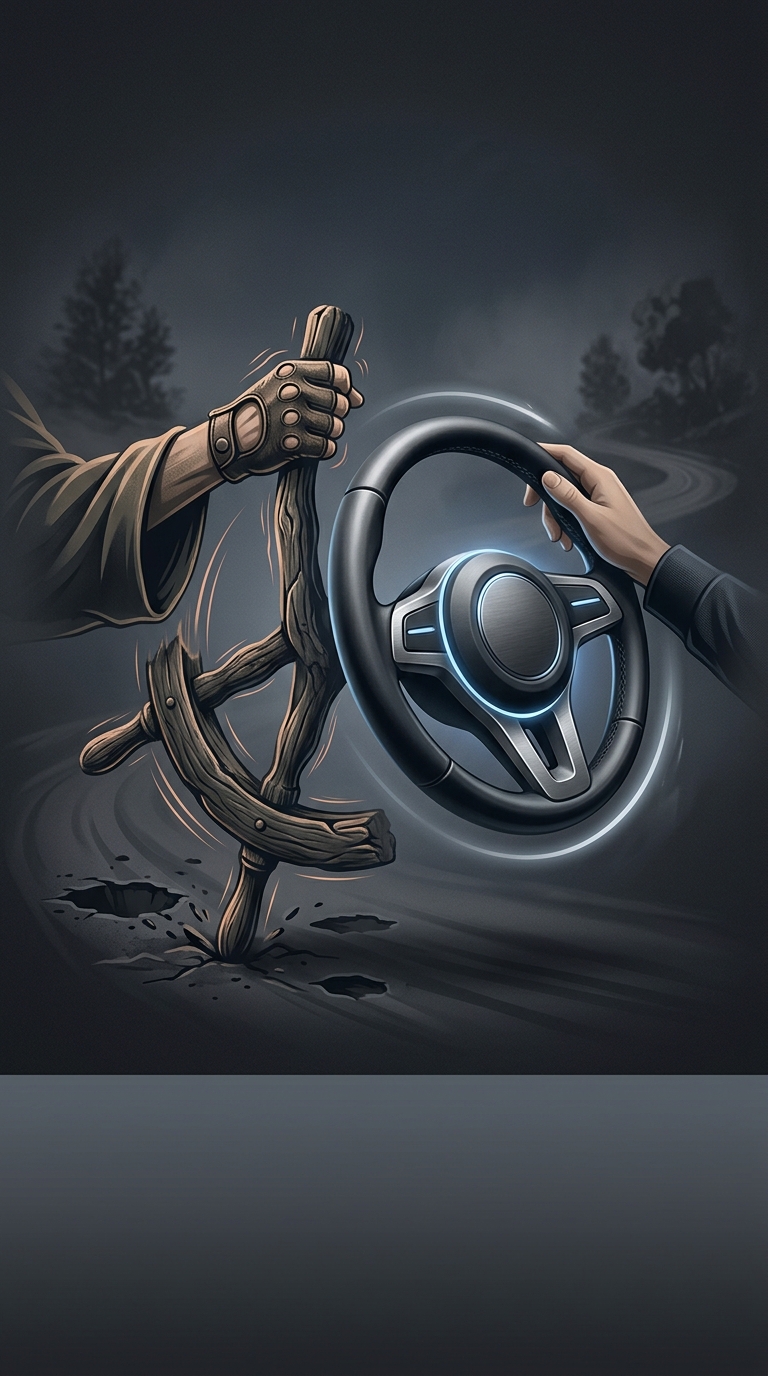
The change was more than a new shape inside the car. A tiller encouraged the driver to think in terms of shifting a lever; a wheel made steering a sustained, two-handed task, with the driver’s hands able to stay in contact through a turn. The wheel made direction easier to regulate continuously, a useful quality as roads and vehicles demanded more than occasional corrections. It helped turn steering from an awkward command into a control the driver could finely modulate.