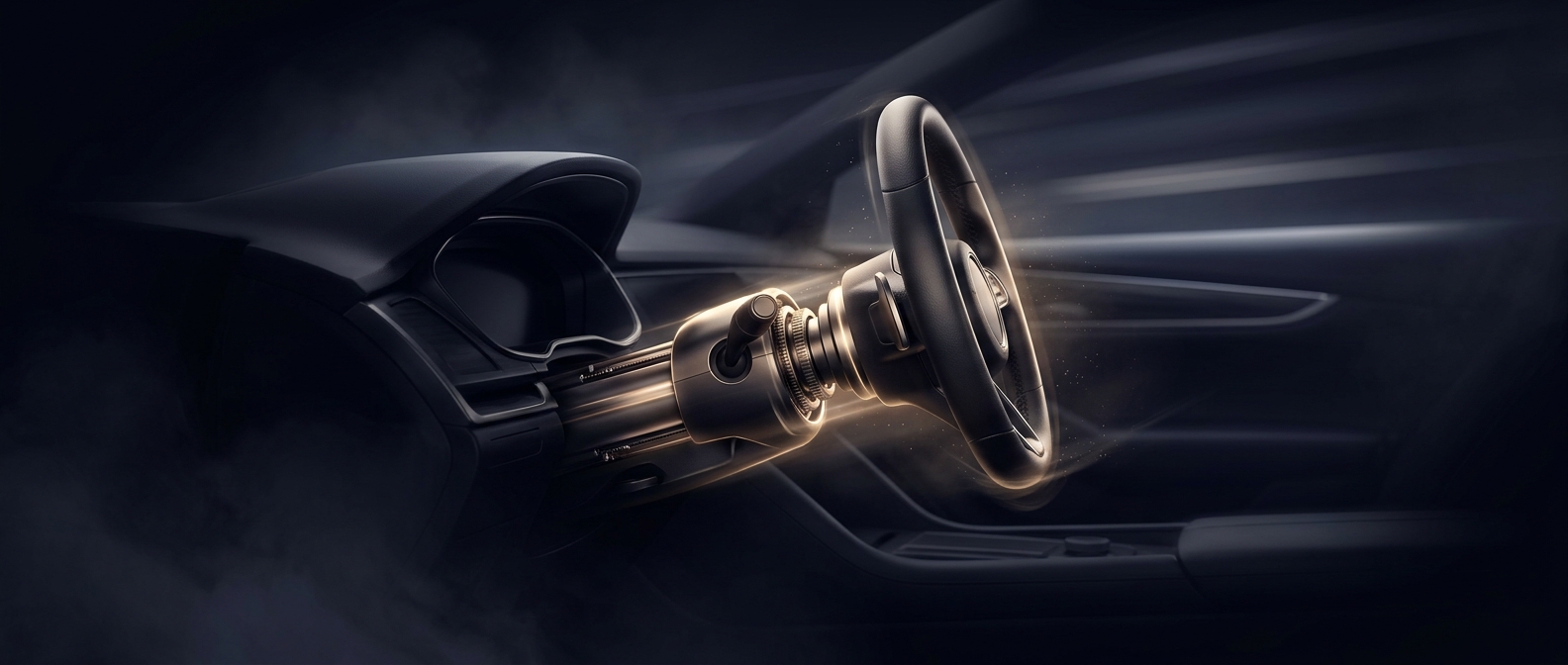
Why a Steering Wheel Moves Toward the Driver
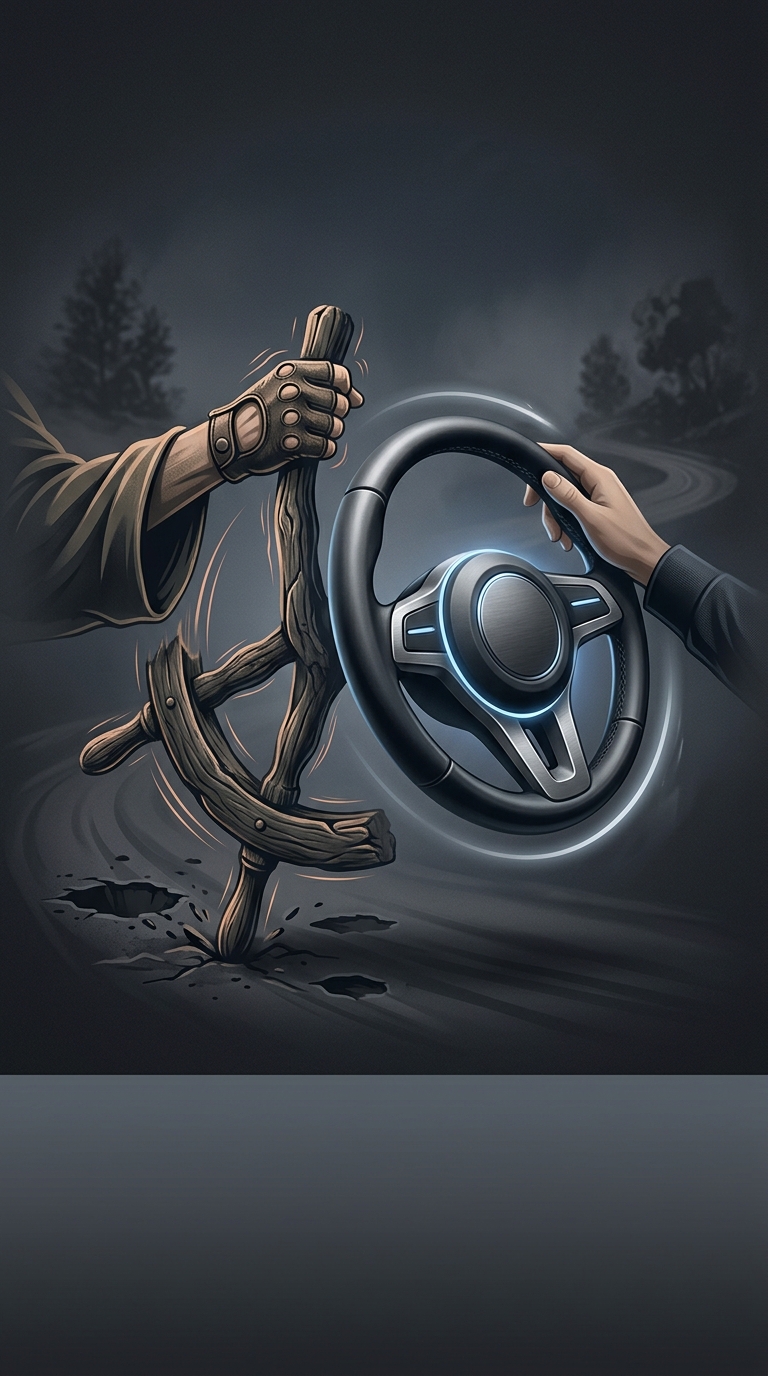
A telescoping steering wheel slides along the steering column, the shaft connecting the wheel to the steering mechanism. That lets a driver change the wheel’s distance without moving the seat. It complements tilt adjustment, which changes the wheel’s angle up or down.
The difference matters because drivers have different body proportions. A seat position that gives someone a comfortable reach to the pedals may leave the wheel too far away—or too close. Moving the wheel lets the driver settle into a position where the arms can steer without being stretched taut or cramped against the torso.
Adjustment Has to Work With the Airbag
The wheel is also the location of the driver’s airbag. In a crash, the bag inflates rapidly from the hub, so the driver’s position relative to it matters. A wheel adjusted too close can leave little room between the driver and the deploying bag; too far away can make the controls harder to reach. The practical goal is a comfortable reach while preserving space in front of the chest.
The adjustment mechanism typically lets the wheel slide when a release lever is unlocked, then holds it in place when locked. That firm lock is essential: the wheel must stay where the driver set it during ordinary steering, rather than shifting under hand pressure.
The Column Has a Safety Job, Too
The column is not simply a rigid pole. In a severe frontal crash, many steering columns are designed to give way or collapse in a controlled manner, helping limit how much force the wheel and column transmit toward the driver. The adjustable parts therefore have to serve two purposes: let people find a usable position and remain part of a structure engineered for a crash.
That makes the small sliding movement more than a comfort feature. It helps bring the controls to the driver without treating the steering wheel as fixed furniture—or as something that can be moved without regard to what happens in a collision.