When Two Motorcars Shared an Old Road
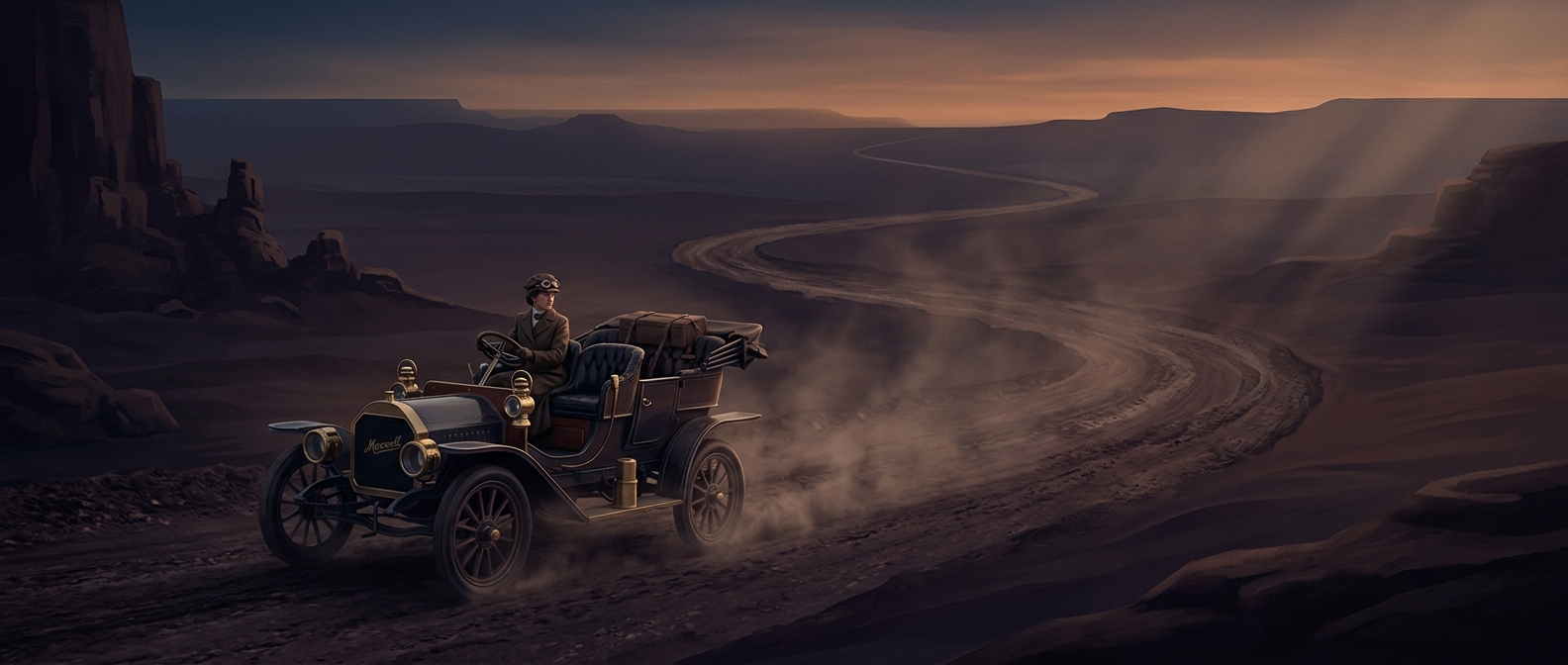
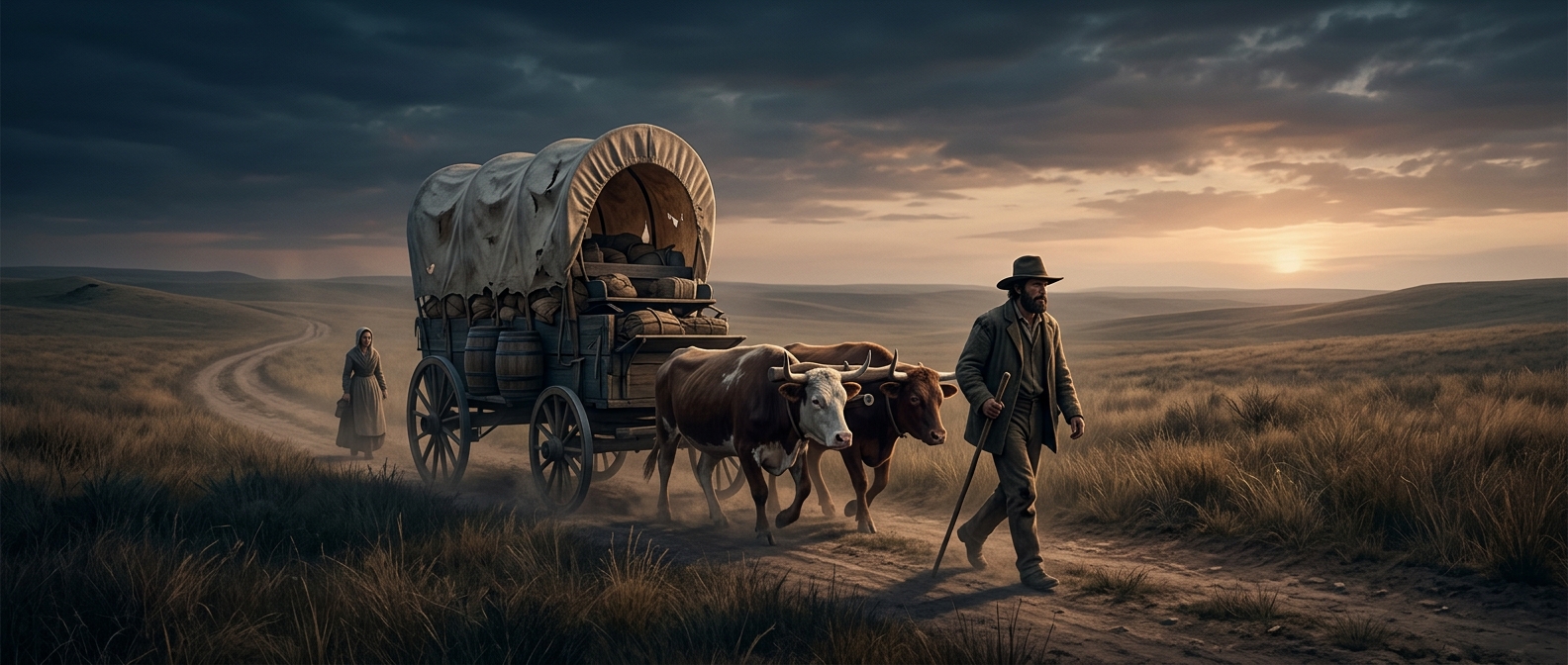
In 1891, an automobile was still an unusual machine, not part of a dependable transportation system. Roads and streets had been shaped around horses, wagons, and pedestrians; a motorcar had to use that same space, with no separate lane or established traffic pattern designed for it.
That mismatch made even a tiny motor fleet consequential. Drivers and other road users were encountering a kind of vehicle that moved without a horse and could behave differently from the traffic they knew. There were few motorcars to meet—but when they did, they still had to negotiate the same narrow, familiar routes.
A Collision Before the Rules Were Settled
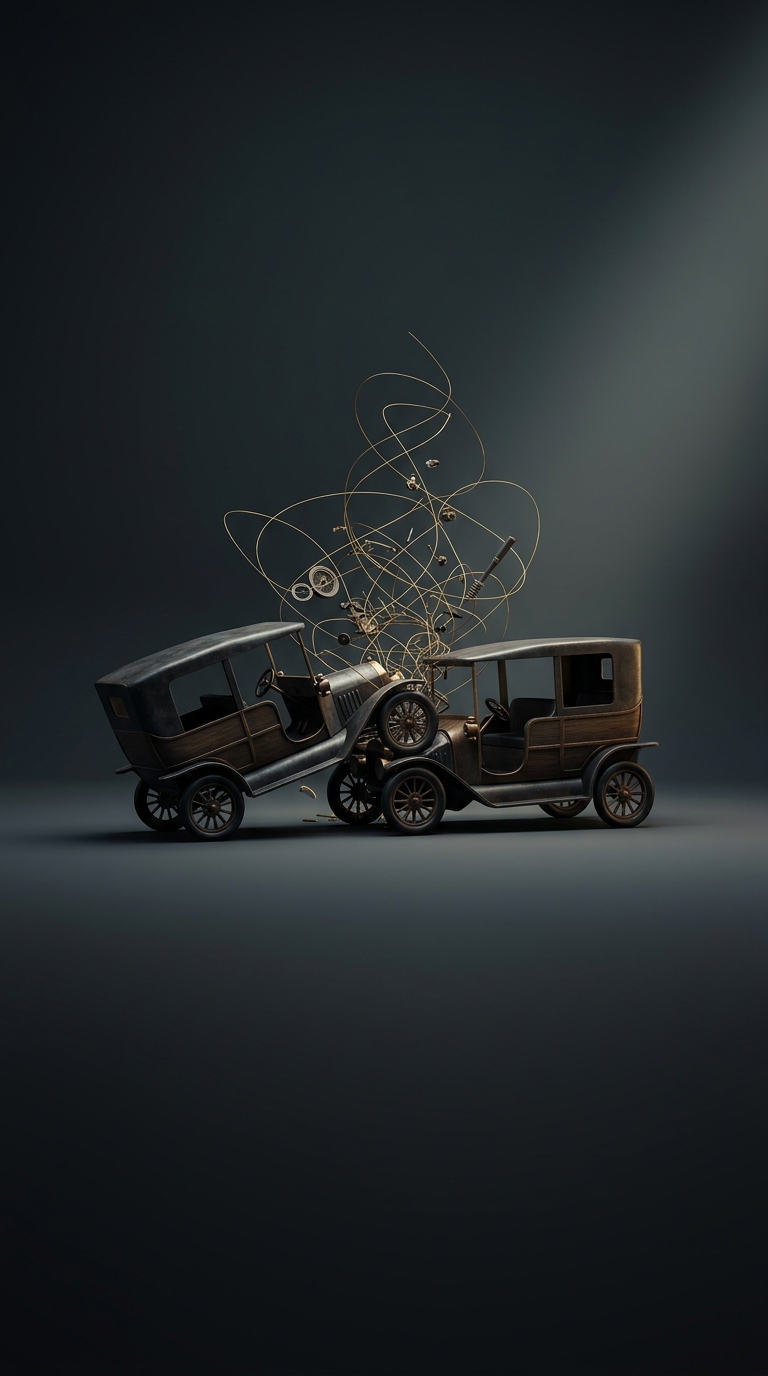
A crash between the state’s only two automobiles is striking because it compresses a much larger transition into one encounter. The problem was not congestion. It was that roads built for older forms of travel were beginning to carry a new one, before everyday driving had become routine.
As automobiles spread, the challenge would shift from the improbable meeting of two machines to managing many vehicles sharing public roads. In 1891, the entire motor fleet could fit into a single collision story; the streets themselves had not yet caught up with what cars would become.