Why cockpit checks follow a sequence
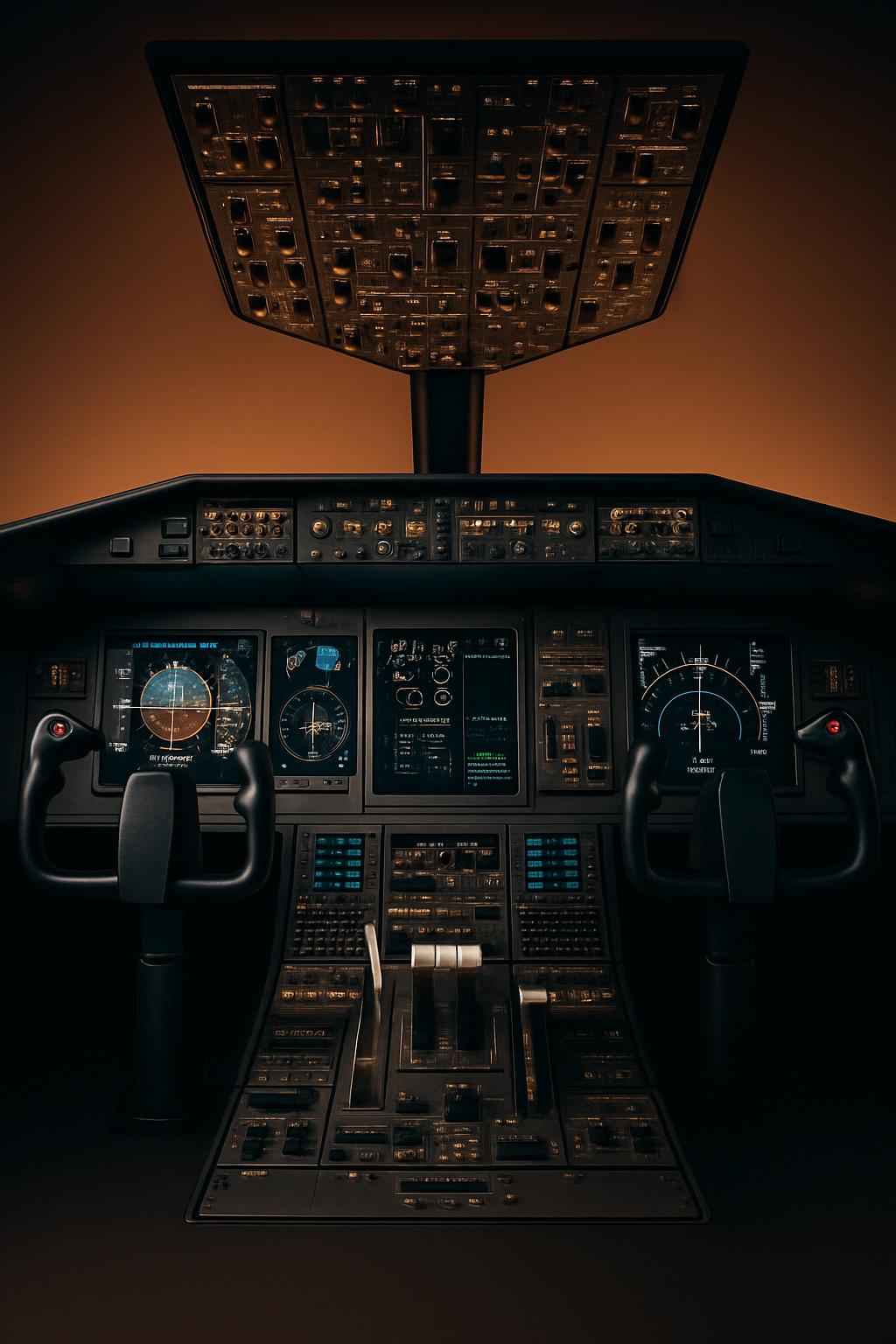
A cockpit check is not a search for every switch that might matter. Pilots learn a repeatable flow: a route through the controls and instruments that helps them inspect related items in a consistent order. The exact flow depends on the aircraft and the airline’s procedures, but its purpose is practical: make a complicated panel easier to check without relying on memory alone.
That order also helps the crew notice when something is out of place. If a pilot’s attention is pulled away, they can return to a known point in the sequence instead of guessing which controls have already been checked. The routine turns a sprawling set of tasks into smaller, recognizable steps.
The checklist is a second pass, not a substitute
Pilots commonly use the flow to set or inspect controls, then consult a checklist to confirm key items. This distinction matters: the flow handles the hands-on work; the checklist provides a structured prompt to catch omissions. In a two-pilot crew, one pilot may call out an item while the other verifies it, making the check observable rather than an unspoken nod.
The spoken calls are especially useful when tasks overlap. Before departure, crews may be coordinating with air traffic control, monitoring instruments, and preparing the aircraft at the same time. A clear call-and-response makes it easier to detect a missed setting or an incomplete action before the aircraft moves on to the next phase.
Why the ritual varies by aircraft
A cockpit’s layout reflects the aircraft’s systems and the way its controls have been arranged. Pilots therefore train on specific models, learning where items are and which sequence applies. Familiarity can make the movements look automatic, but the routine is designed to keep that familiarity from becoming a blind spot: each action has a place, and important items are checked aloud or against a written prompt.
The result is less a dance than a defense against interruption and assumption. A departure is not considered ready simply because the crew feels confident; the sequence has to reach its final checks.