What “single-pilot” means in practice
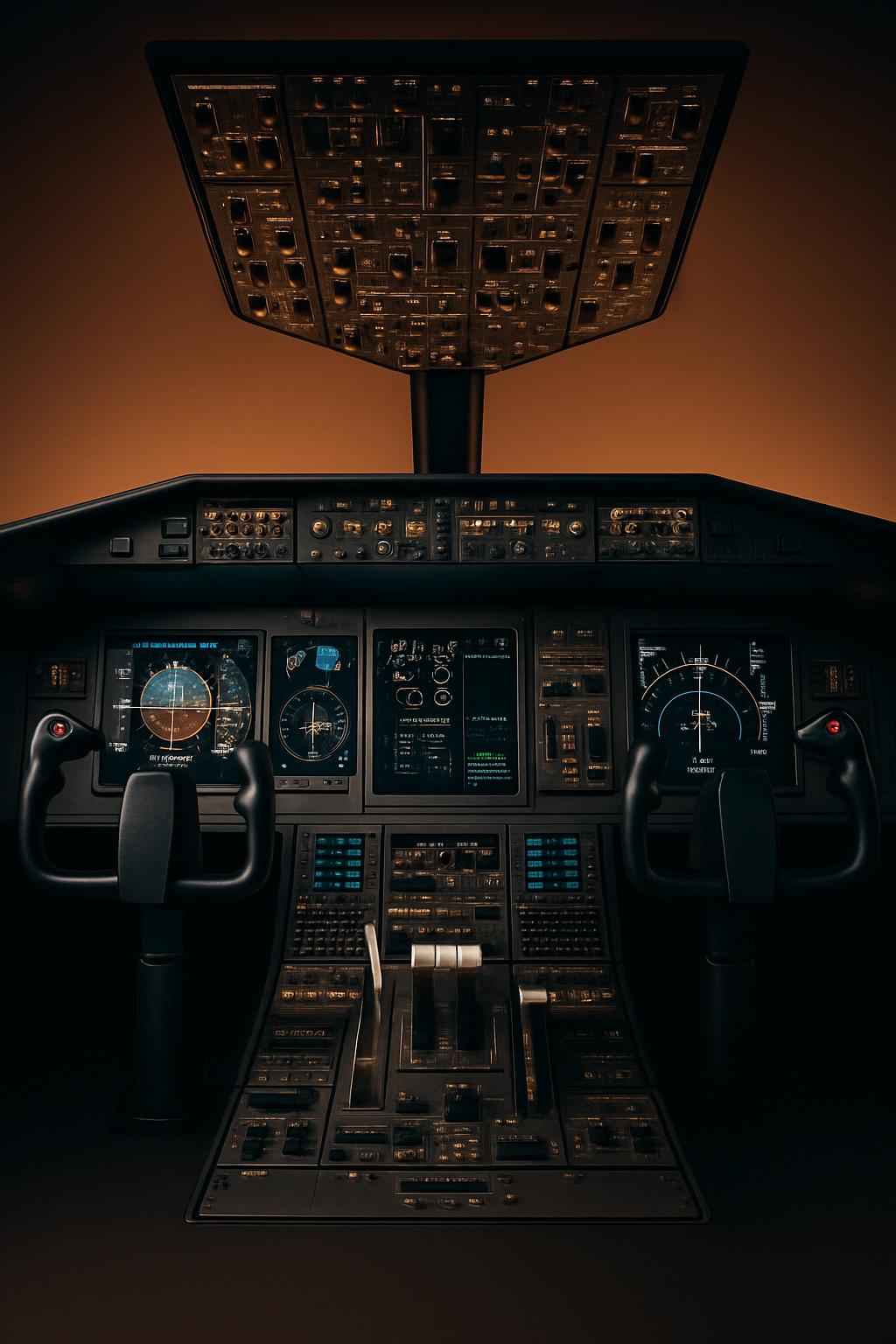
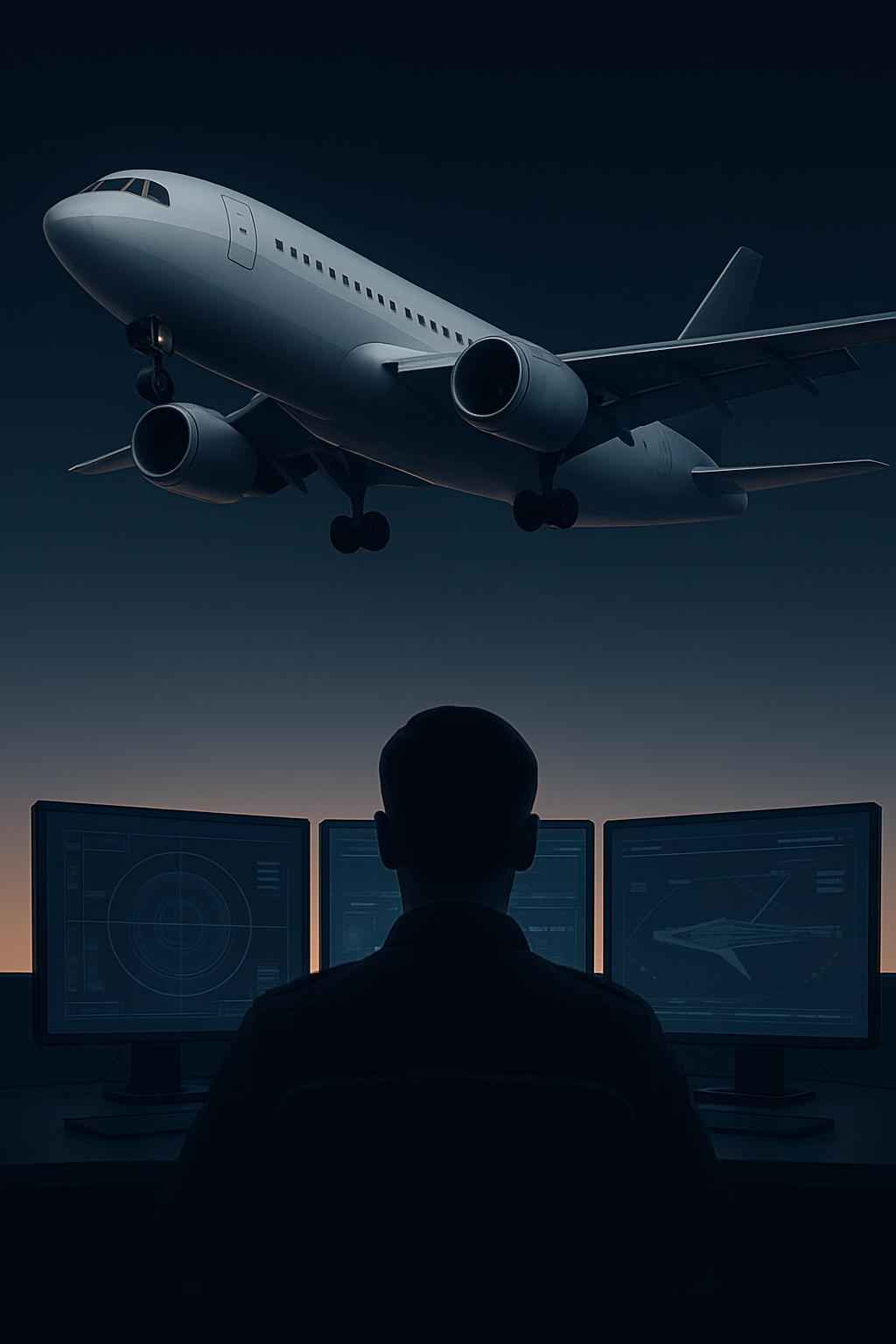
The proposal is not simply to remove a pilot and leave the remaining person to fly alone. It is to divide today’s two-pilot workload differently: onboard automation would handle routine tasks, while one pilot in the cockpit supervises the aircraft and responds when something needs human judgment. A pilot on the ground could monitor or assist several aircraft, rather than sitting in the adjacent seat of just one.
That changes the meaning of backup. In a conventional cockpit, the second pilot is physically present, shares the same instruments and can take control immediately. A remote pilot would have to notice a problem, understand the aircraft’s situation from transmitted information, and communicate useful help to someone who may already be managing an emergency.
The difficult part is the exception
Routine flight is only part of an airline pilot’s job. The system must also cope with situations that are unusual, time-critical, or simply harder to manage when one person is occupied: a technical fault, a diversion, confusing weather, or a medical problem onboard. Automation can perform predefined tasks, but it cannot be assumed to resolve every unexpected combination of events.
The ground pilot’s role therefore depends on more than having a communication link. Designers would need to establish how that person divides attention among multiple aircraft, which events demand immediate intervention, and how a cockpit pilot can get help without adding confusion. If several aircraft need attention at once, the proposed backup could become a bottleneck rather than extra capacity.
Moving the second seat changes the safety case
The appeal is clear: airlines could need fewer pilots onboard, while one ground-based pilot supports more than one flight. But the tradeoff is not just fewer people in the cockpit. It is replacing continuous, shared attention with automation and a remote human who must be available at the right moment.
That makes the central question operational: who is watching each aircraft, and how quickly can they help when routine flying stops being routine? The answer would shape staffing, cockpit procedures, communications, and the safeguards needed before this arrangement could carry passengers. The second pilot may move to the ground, but the job of providing a dependable second pair of eyes does not disappear.