The audience becomes part of the maze
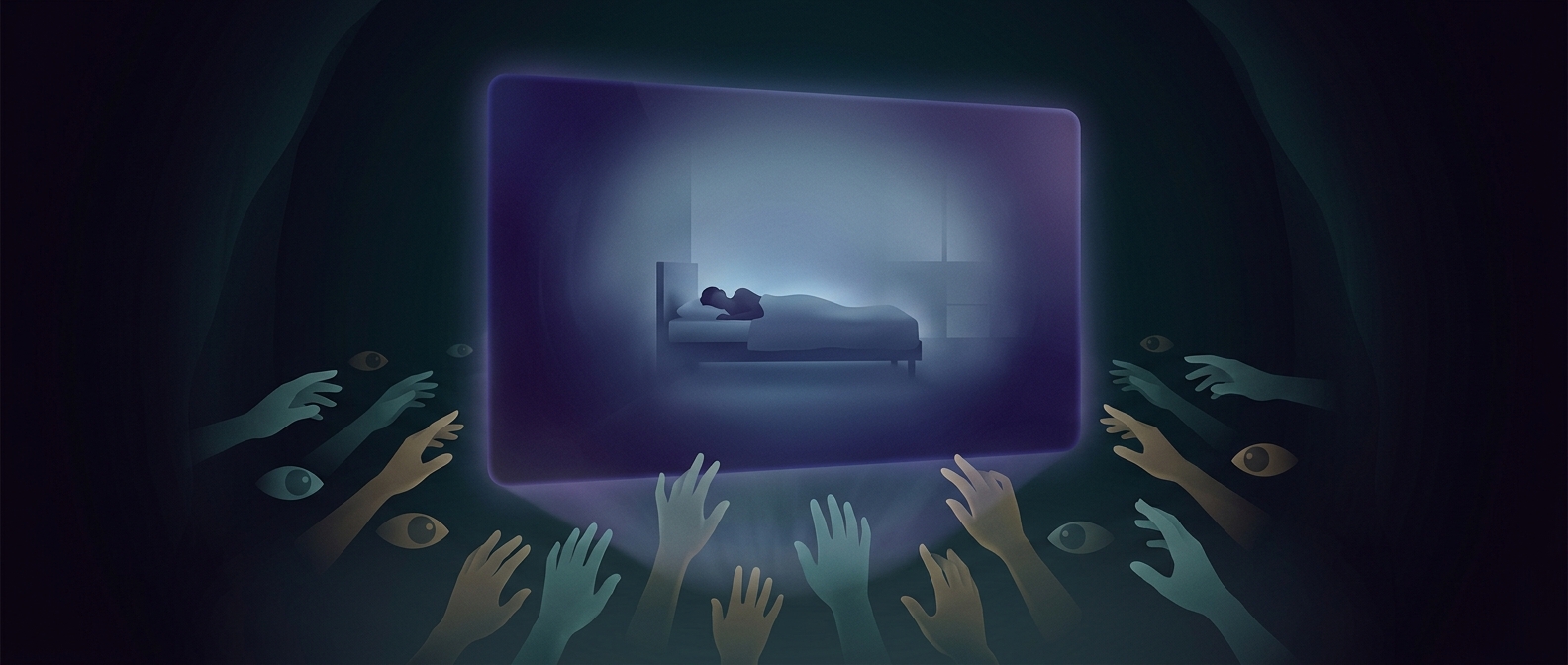
In Punchdrunk’s Sleep No More, there is no fixed seat and no single view of the story. Visitors move through a sprawling, dimly lit set while masked performers play out scenes in different rooms. You can follow one character, linger over a room, or turn down another corridor—and miss whatever is happening elsewhere.
That freedom changes the basic bargain of theatre. Instead of receiving a story in a sequence chosen from the stage, each visitor assembles fragments by deciding where to go and what to watch. The mask makes the crowd look anonymous and helps performers maintain the production’s strange, hushed atmosphere; it does not make every visitor’s experience identical.
A world built to be searched
The setting is not just scenery behind the action. It is a navigable environment, furnished with documents, objects, and small details that can suggest what a character has done or what may happen next. Visitors may explore rooms and open drawers, turning close looking into part of the performance. A clue found alone can feel intimate precisely because another person may never encounter it.
The production draws on Shakespeare’s Macbeth, but its story is conveyed largely through movement and recurring scenes rather than spoken explanation. Scenes repeat in cycles, so following a performer can reveal patterns; wandering can produce a more fragmented, personal version of events. The result rewards attention without guaranteeing that any one visitor will see everything.
Freedom with boundaries
This is not an invitation to treat performers or fellow visitors as props. The experience depends on performers repeating carefully choreographed action while audiences move nearby, so rules and staff help preserve both the staging and people’s safety. The tension comes from being physically close to a story without becoming one of its characters.
By replacing the front-facing stage with rooms to investigate, Sleep No More makes a missed scene part of the form: every choice opens one piece of the production and closes off another.