Why the Same Flight Takes Different Amounts of Time
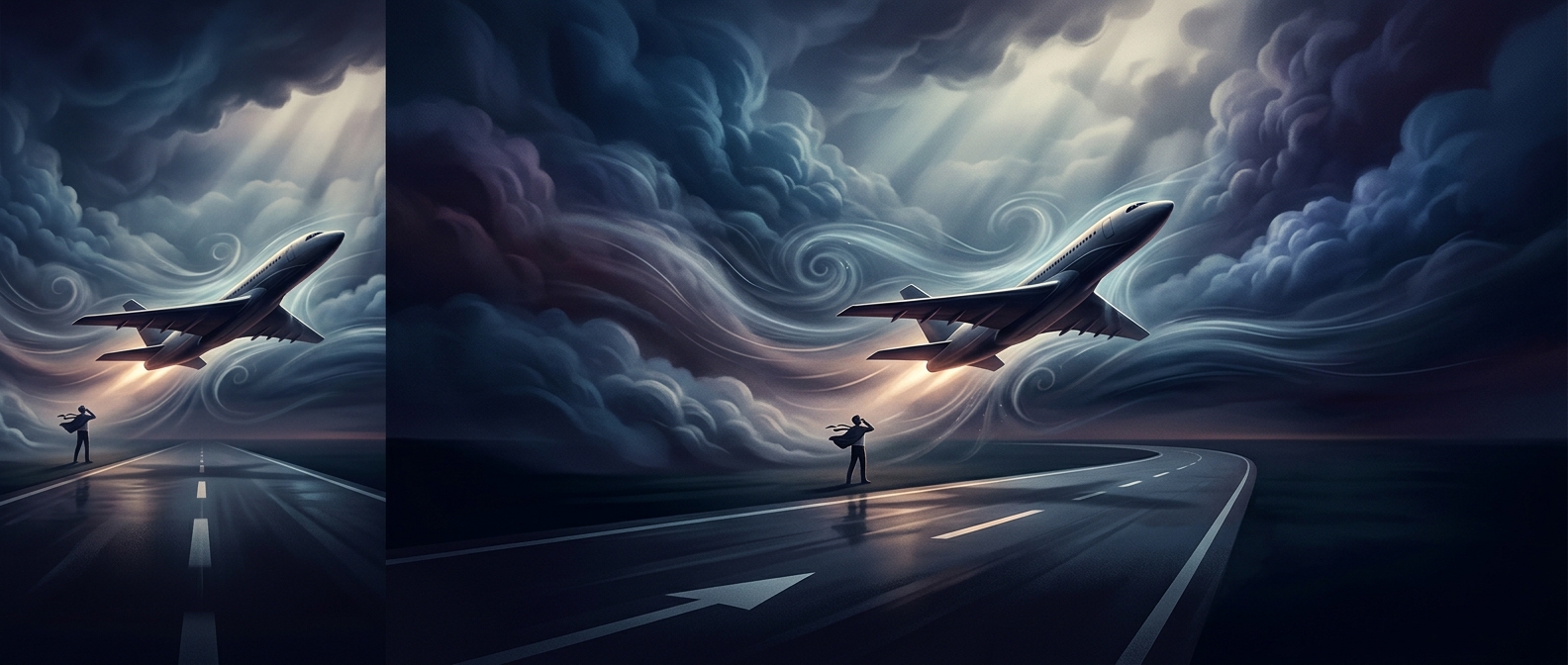
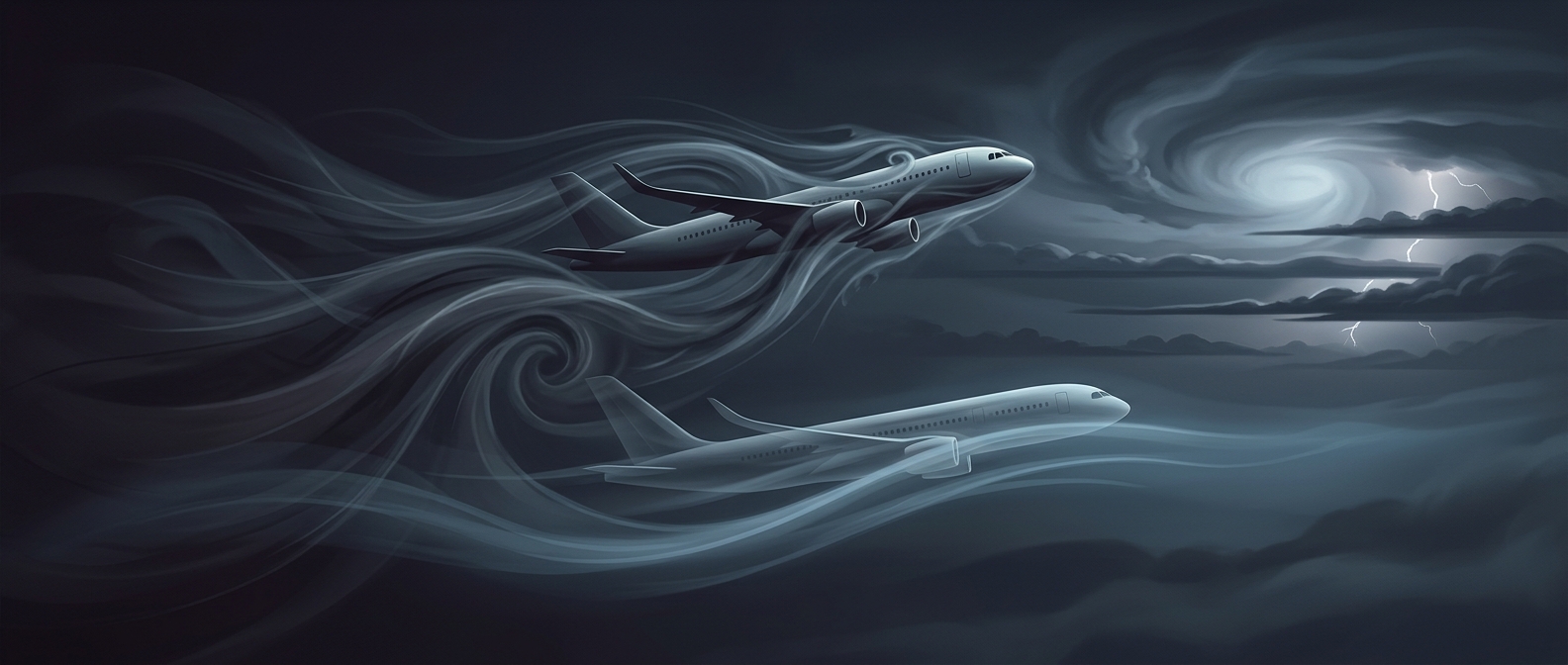
An aircraft’s engines push it through the surrounding air, but the ground moves beneath that air mass too. The speed that matters for reaching a destination is groundspeed: the plane’s speed through the air adjusted for the wind’s direction and strength. A wind blowing against the aircraft reduces groundspeed; a wind behind it increases groundspeed.
That difference accumulates over a long route. If a plane covers each stretch of its journey more slowly over the ground, it needs more time to cover the same distance—even if its speed through the air remains steady. The reverse is true when the wind helps carry it along.
Choosing a Route Through Moving Air
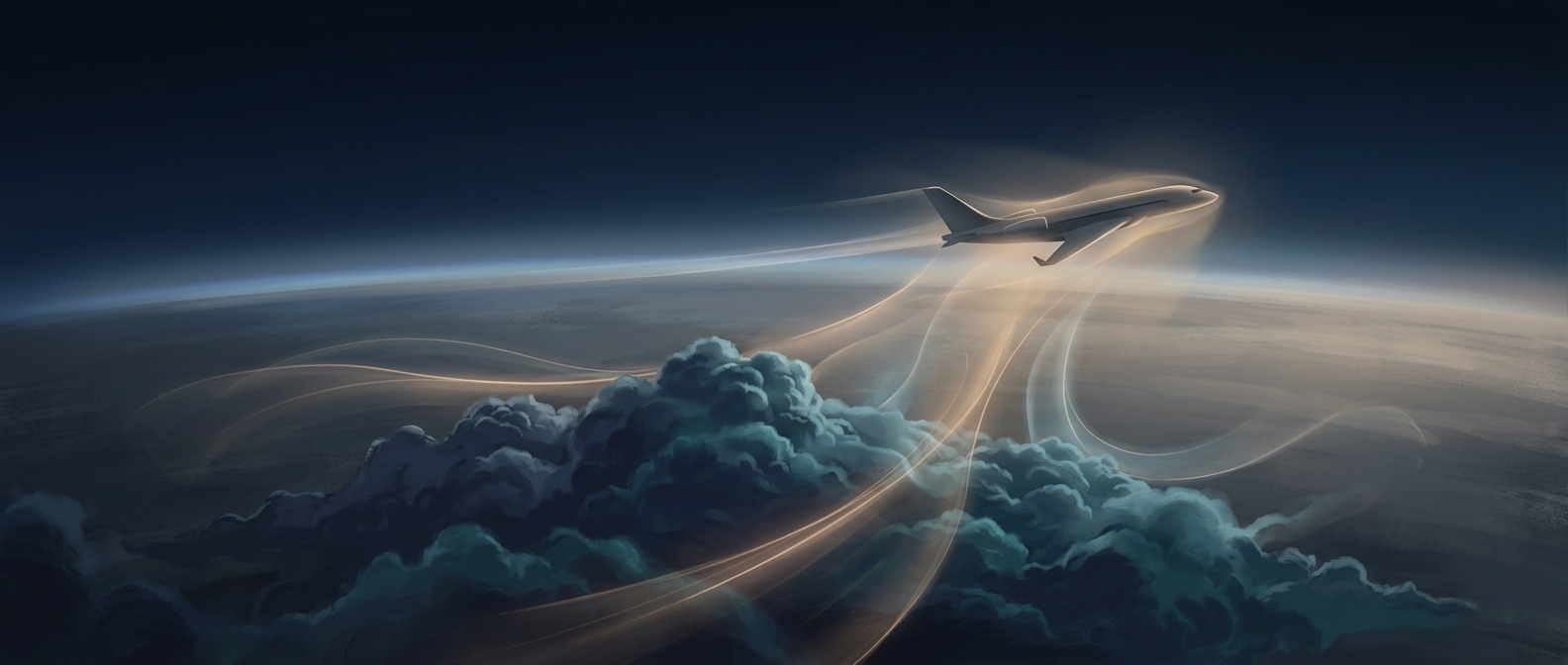
At high altitude, broad bands of fast-moving air, including the jet stream, can strongly influence flights. Their direction is not always aligned with a plane’s route, so the effect depends on how much of the wind blows along the aircraft’s path. A crosswind mostly pushes sideways; the headwind or tailwind component changes how quickly the plane closes the distance to its destination.
Dispatchers plan routes and flight levels with winds in mind, while pilots can adjust altitude or course as conditions and other constraints allow. The strongest tailwind is not automatically the best choice: fuel use, weather, turbulence, air traffic, and the route’s overall geometry also matter. On a return trip, the wind pattern may impose a headwind where it previously provided a boost.
That is why two journeys between the same cities can have noticeably different durations. The aircraft may be traveling at a similar pace through the air, yet the moving air around it changes how much ground it covers each hour.