How The War Game made nuclear war feel ordinary
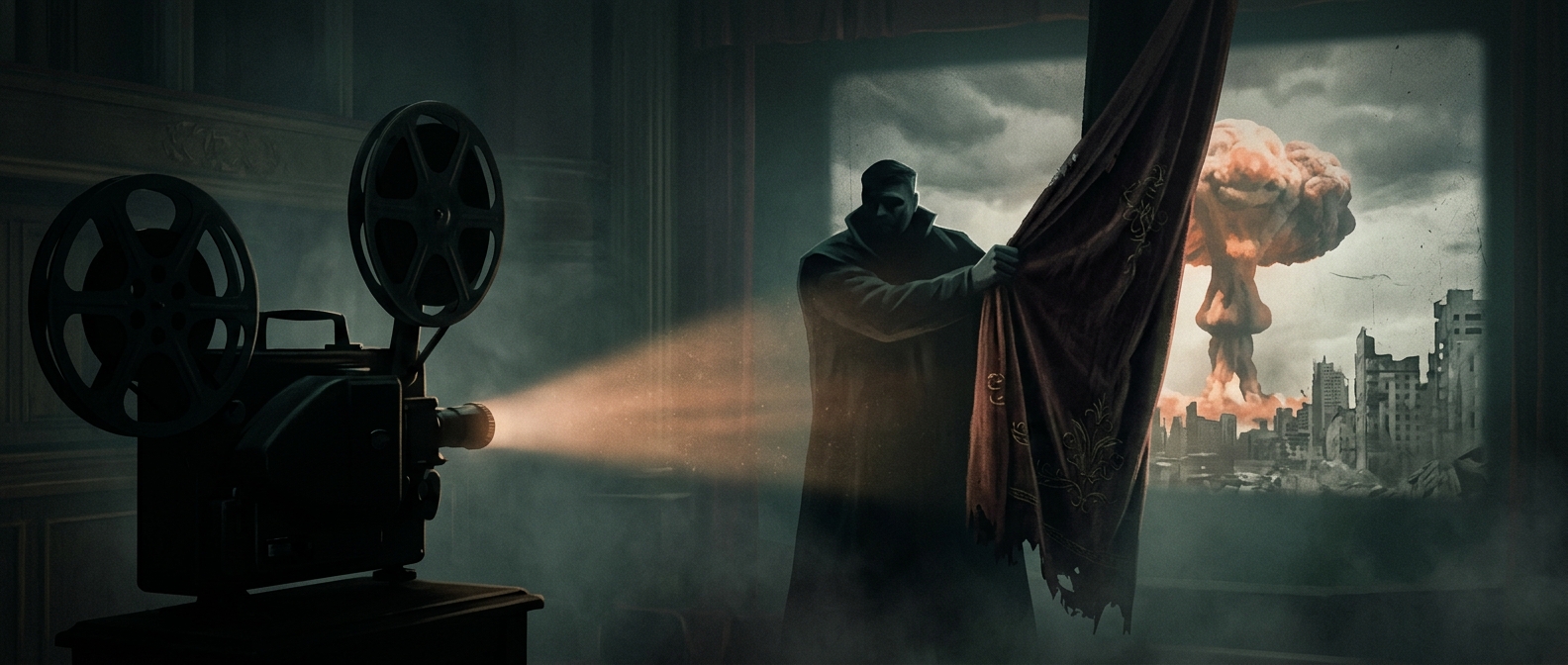
Peter Watkins’s The War Game was not a conventional disaster movie. Made for the BBC in 1965, the film presents a fictional nuclear attack on Britain as if it were a news report: a narrator explains events, while staged interviews and scenes follow civilians, officials, and emergency workers. Its docudrama form—dramatized events presented with documentary techniques—made the imagined catastrophe feel like something unfolding in familiar streets, not a distant military abstraction.
That realism depended on what the film showed after the flash. Watkins focused on the consequences that civil-defense instructions could not neatly contain: overwhelmed services, shortages, panic, and the breakdown of ordinary care. The camera’s report-like tone gives these scenes little of the reassurance or heroic resolution associated with a conventional thriller. The result was unsettling partly because it treated nuclear attack as a practical human disaster, not a spectacular set piece.
Why the BBC held it back
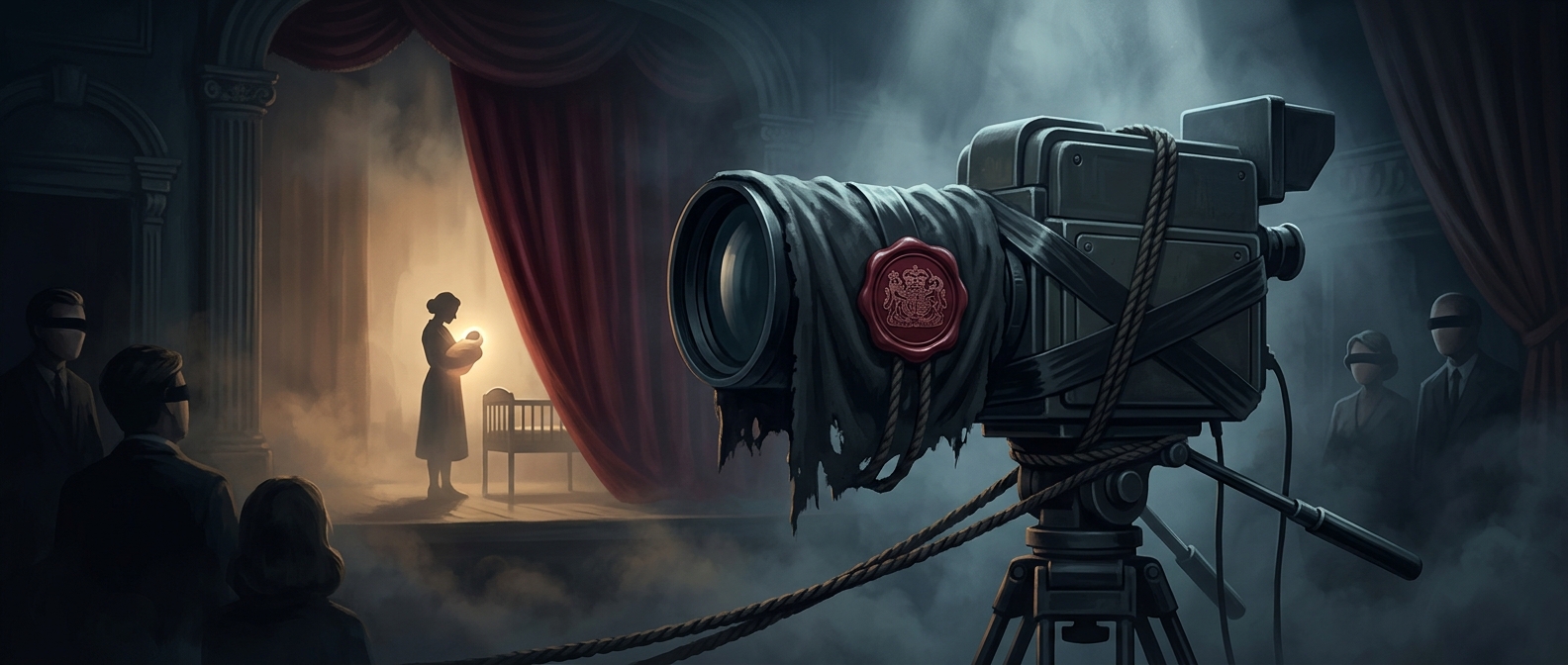
The BBC had commissioned the film, but it did not broadcast it as planned. The decision was controversial: the corporation said the film was too horrifying for television, while the exact weight of outside pressure in the decision has been debated. What is clear is that the film’s documentary style intensified the concern. A fictional attack could be mistaken for a real report, and its bleak portrayal offered little comfort to viewers confronting a live Cold War fear.
The film was not simply erased. It was shown in cinemas and later reached television, but its absence from the BBC schedule turned the decision itself into part of the story. In 1967, The War Game won the Academy Award for Best Documentary Feature, despite being a dramatization. The film’s unusual achievement was to make a fictional warning feel so much like public information that the broadcaster that commissioned it hesitated to put it on air.