How a station’s shallow dip can shape a train’s speed
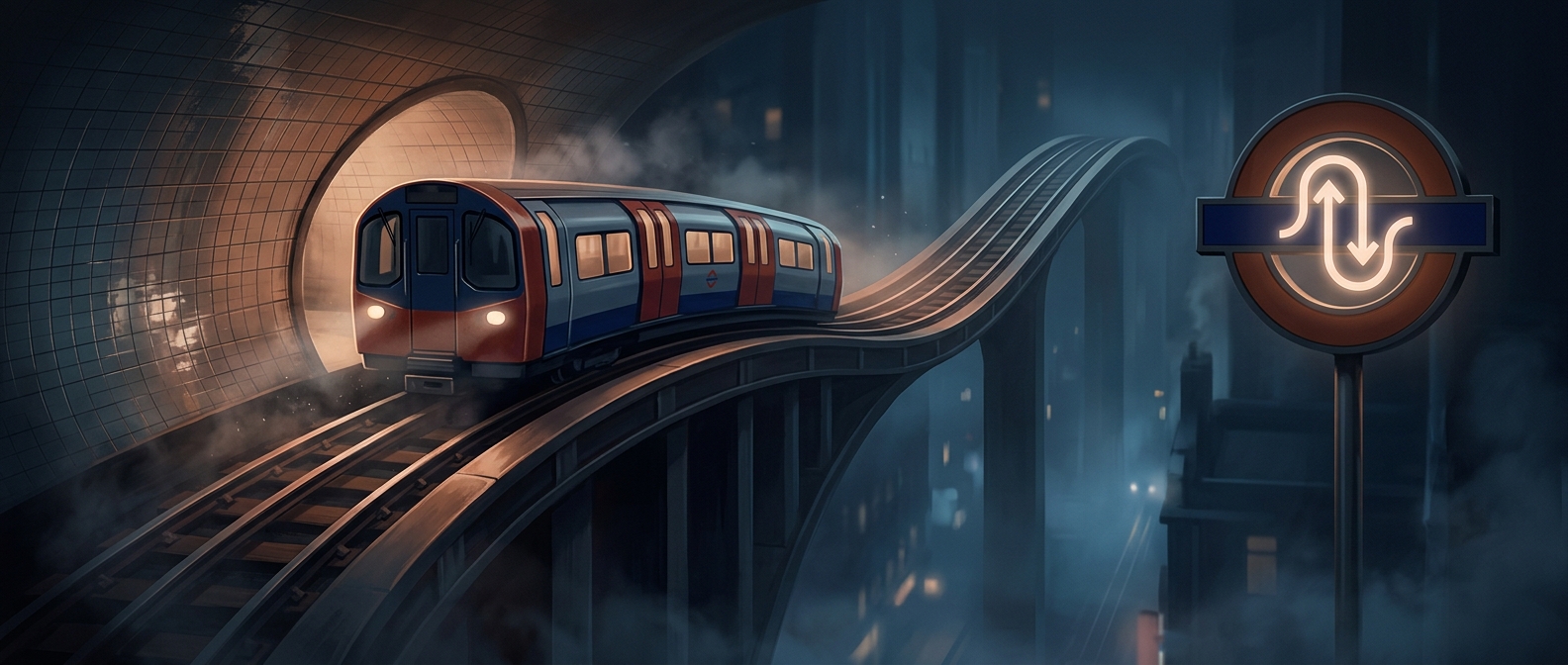
A track does not have to be perfectly level to affect a train. On a slope, gravity has a small component along the rails: it pulls a train downhill and resists its motion uphill. By shaping the track into a gentle vertical curve around a station, engineers can use that force to influence how trains approach and leave.
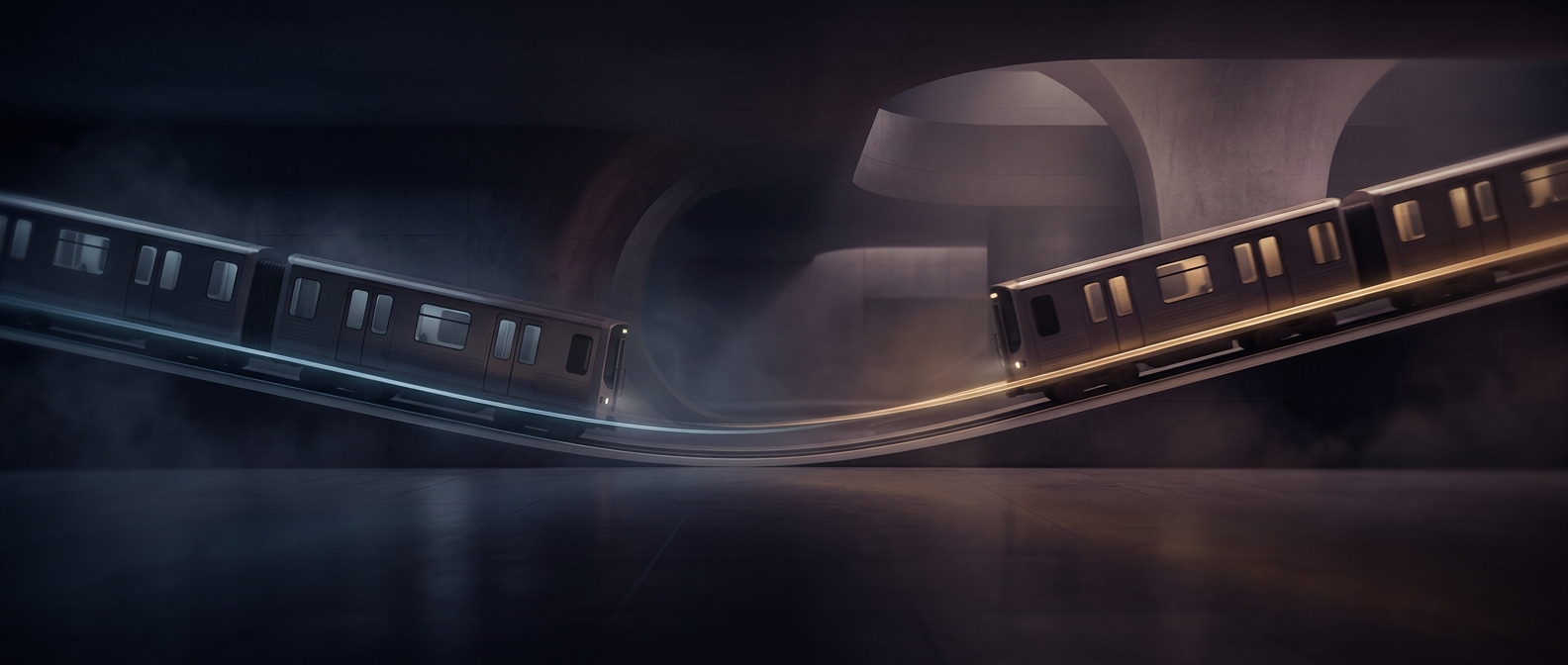
The crucial detail is the direction of each slope. A downhill approach can help a train roll toward the station, while an uphill section can help slow it. For a departing train, a downhill grade can help it gather speed; an uphill grade works against it. The exact profile determines which of these effects a train gets at each point—it is not gravity doing both jobs at once on the same slope.
Why the gradient has to stay subtle
A station’s track must still let trains stop accurately at the platform, start reliably, and meet safety and accessibility requirements. A steep grade would make those tasks harder, and gravity cannot replace the train’s brakes or motors. The vertical changes are therefore slight: enough to alter the forces on a heavy train, but not enough to feel like a hilltop ride to passengers.
The benefit is modest but practical. As a train descends, some of its stored gravitational energy becomes motion; climbing reverses that exchange. The track’s shape can reduce the amount of braking or traction needed at particular moments, depending on the layout and direction of travel. What looks like an almost flat platform can sit at the low point of a carefully managed route—where a few meters of elevation change help guide a train’s speed.