stackyFACTS
Transport

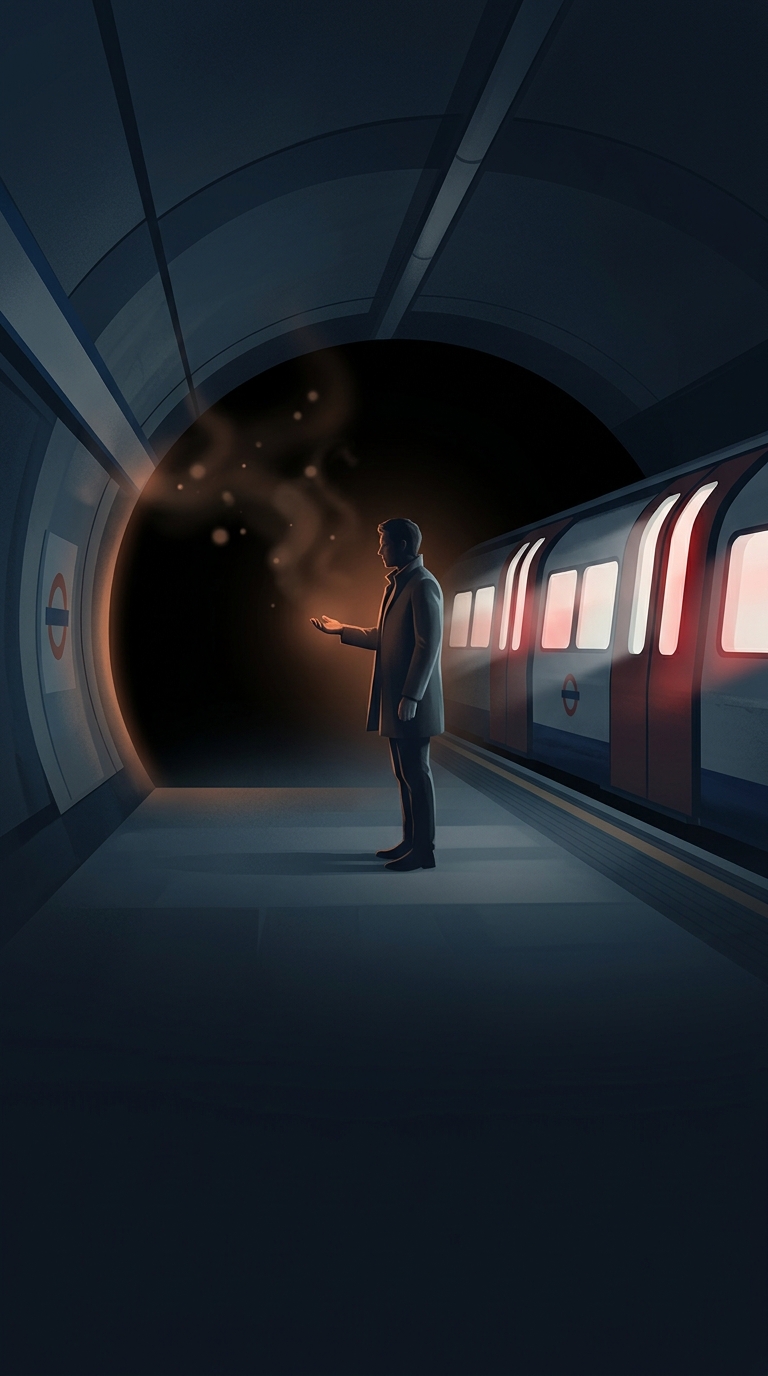
Why some London Underground stations sit on hills

HERE’S THE INTERESTING PART

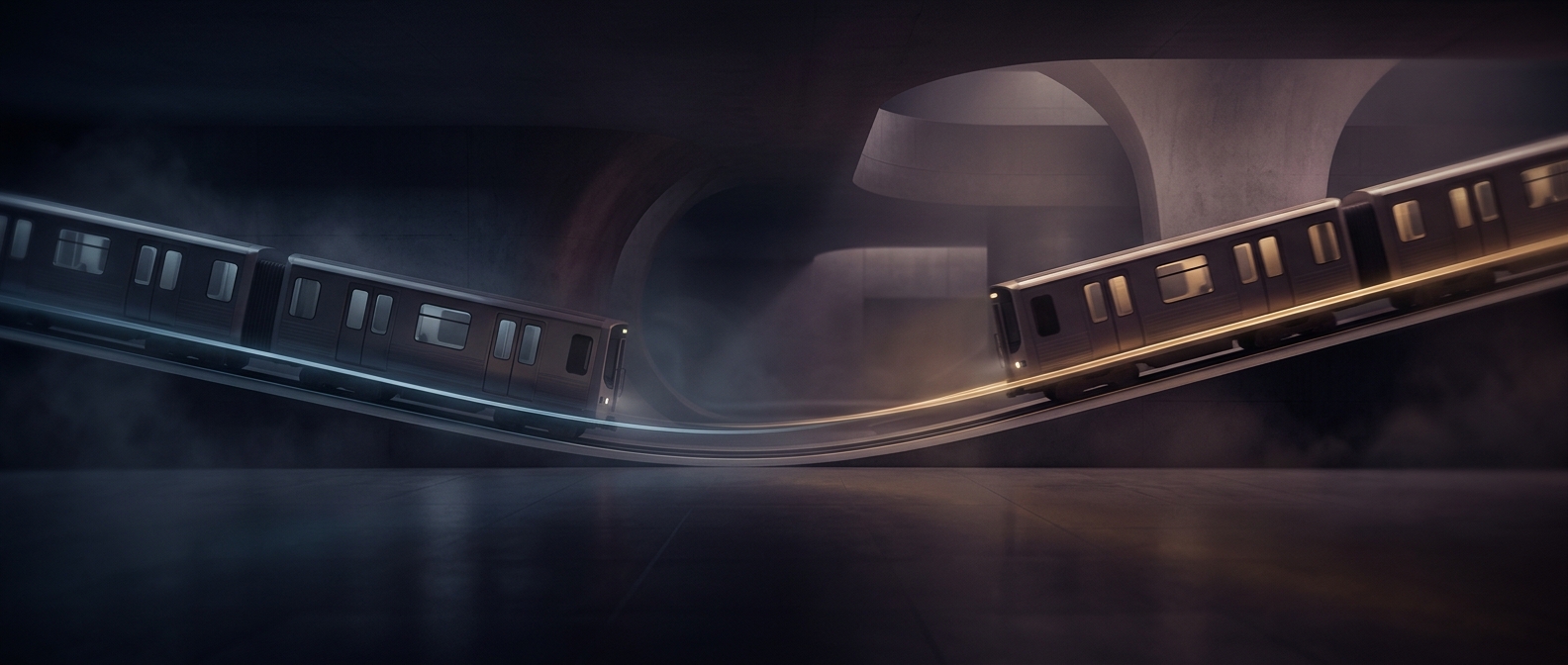
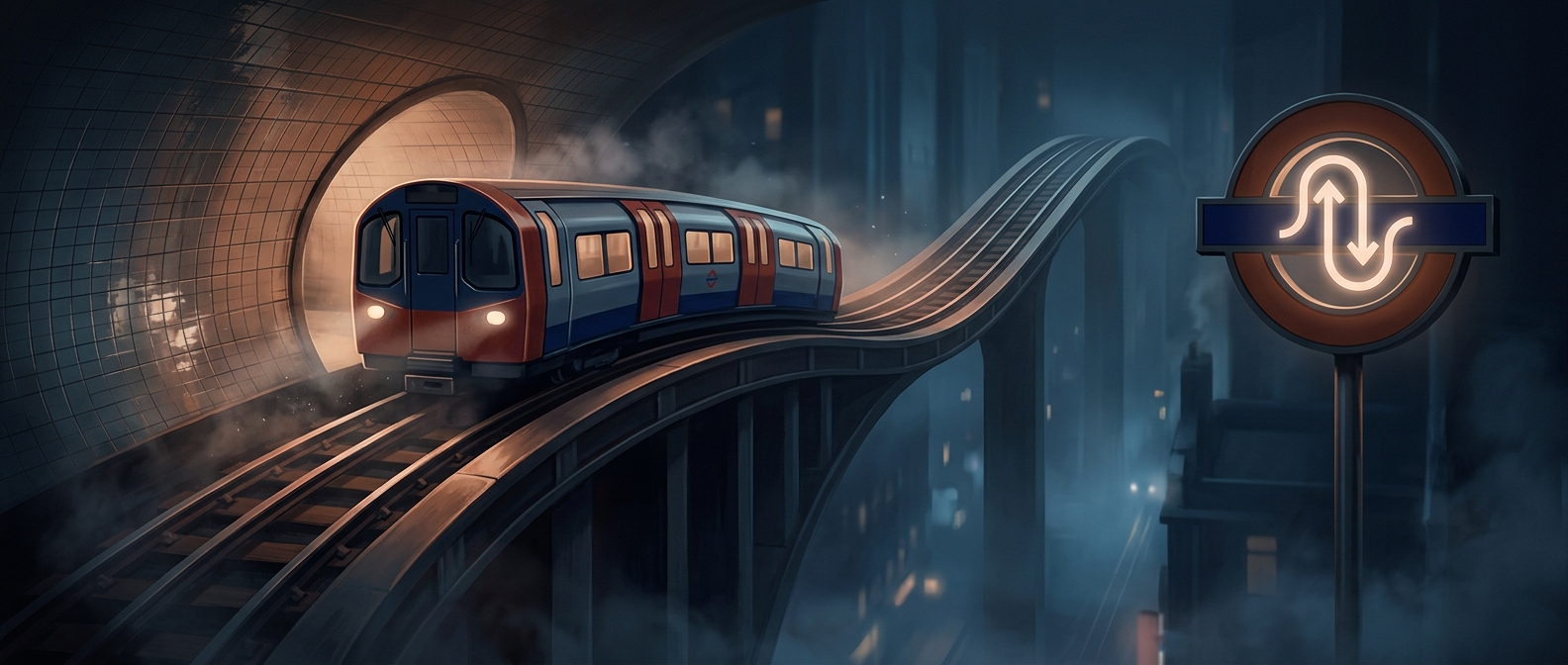
Long before regenerative braking was a corporate buzzword, Victorian engineers were using basic physics to save a quick buck. Many older stations in the London Underground are situated at the top of slight inclines. When a train arrives, it climbs the hill, which naturally slows it down. When it departs, it rolls downhill, using gravity to get up to speed faster. It is basically a giant, subterranean rollercoaster.
Why some London Underground stations sit on hills
STACKY / Transport
One discovery leads to another.

Keep exploring facts in this topic.

Transport →
STACKY FOR IPHONE

A bigger world.
One discovery
at a time.

Keep discovering with Stacky. Interesting facts in an app that is always within reach.

Download on the App Store
ONE MORE DISCOVERY?

Keep exploring

All in this topic →
Funicular railways use two counterbalanced passenger cars attached to opposite ends of the same massive cable
Transport

Funicular railways use two counterbalanced passenger cars attached to opposite ends of the same massive cable

Because why fight gravity when you can just use the other passengers as a giant counterweight? Funicular railways, often built on incredibly steep…

Discover more
Deep inside the London Underground, you might notice the tunnel air feels strangely warm year-round. Why?
Transport

Deep inside the London Underground, you might notice the tunnel air feels strangely warm year-round. Why?

Deep inside the London Underground, you might notice the tunnel air feels strangely warm year-round. Why?

Discover more
Japan holds the world record for the fastest manned train, with their L0 Series Maglev clocking in at an absolutely blistering 374 miles per hour during a test run.
Transport

Japan holds the world record for the fastest manned train, with their L0 Series Maglev clocking in at an absolutely blistering 374 miles per hour during a test run.

Japan holds the world record for the fastest manned train, with their L0 Series Maglev clocking in at an absolutely blistering 374 miles per hour during a…

Discover more
Why do high-speed passenger trains secretly carry hundreds of pounds of sand onboard at all times?
Transport

Why do high-speed passenger trains secretly carry hundreds of pounds of sand onboard at all times?

Why do high-speed passenger trains secretly carry hundreds of pounds of sand onboard at all times?

Discover more
Richard Trevithick built the first full-scale working railway steam locomotive in 1804, and on its maiden voyage, it successfully hauled ten tons of iron and seventy men down the track.
Transport

Richard Trevithick built the first full-scale working railway steam locomotive in 1804, and on its maiden voyage, it successfully hauled ten tons of iron and seventy men down the track.

Richard Trevithick built the first full-scale working railway steam locomotive in 1804, and on its maiden voyage, it successfully hauled ten tons of iron and…

Discover more
Why some subway stations are built like gentle hills
Transport

Why some subway stations are built like gentle hills

Instead of relying purely on mechanical brakes that scream like banshees and constantly need replacing, civil engineers outsourced the job to Isaac Newton. By…

Discover more
StackyMore discoveries in the app
Download on the App Store