Why the Equator Is Earth’s Longest Lap
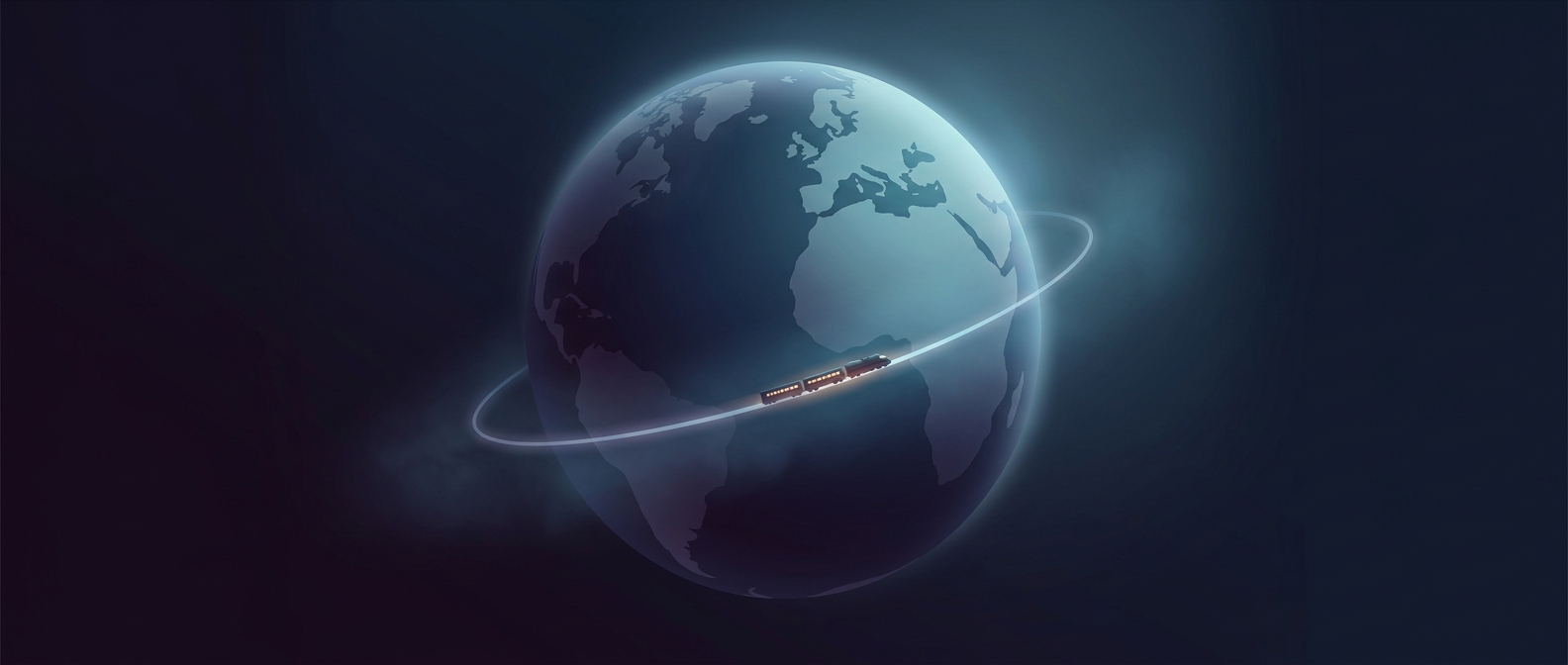
A circle around Earth gets longer as it moves away from the poles and toward the middle. At the equator, it reaches the planet’s greatest possible circumference: about 24,900 miles, not exactly 24,000. The familiar 24,000-mile figure is a rounded scale estimate, useful for imagining the distance but not for precise navigation.
Earth’s Shape Adds a Small Twist
Earth is not a perfect sphere. Its rotation makes it bulge slightly around the equator, so the equatorial circumference is longer than a loop that runs through both poles. That difference matters when mapping the planet or calculating long-distance routes: navigators use Earth models that account for its shape rather than treating every global lap as the same length.
A real trip around the equator would also be more complicated than tracing a line on a globe. The route crosses oceans and land, and roads, borders, terrain, and available transport would force detours. The circumference describes the geometric lap, not a ready-made travel itinerary. Even so, it gives a striking yardstick: at highway speed, covering that distance without stopping would take weeks.