Why a line around Earth can divide it in two
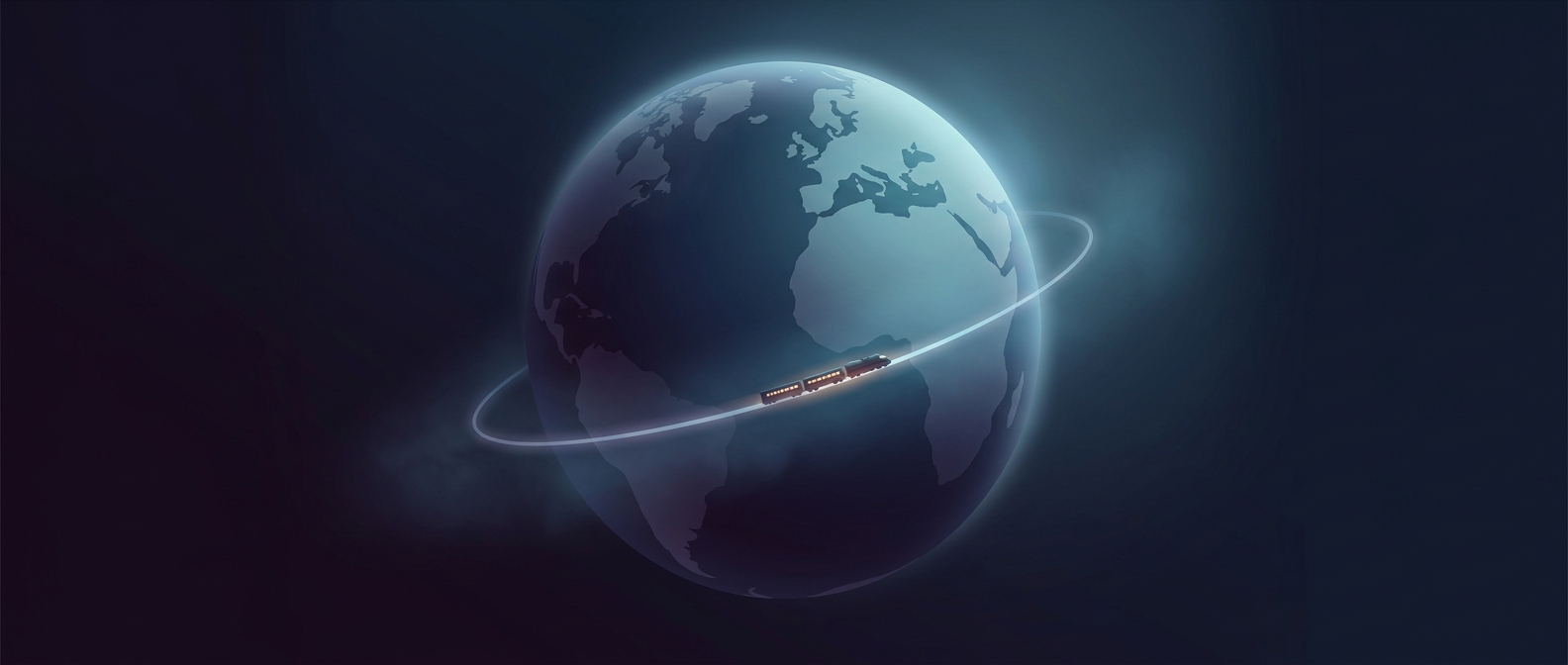
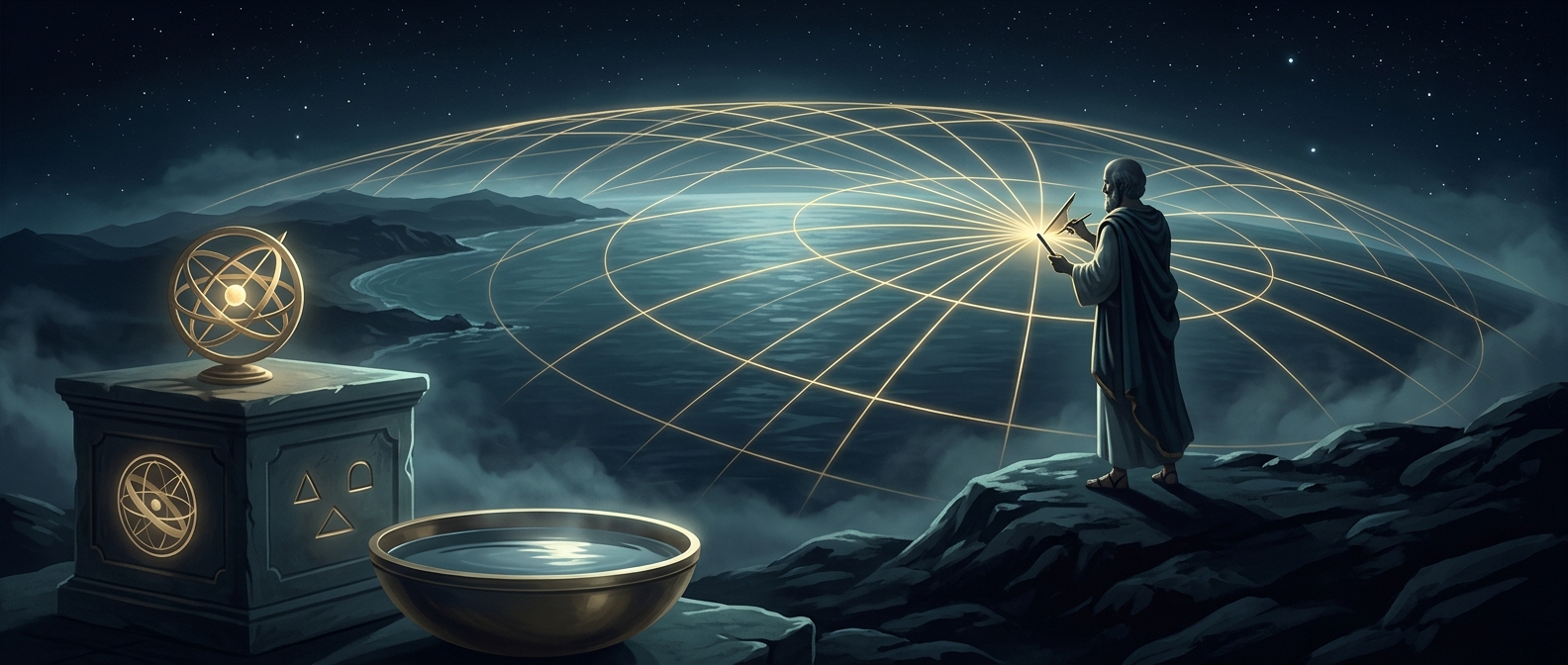
A great circle is a circle drawn on a sphere whose center matches the sphere’s center. The equator is one: it separates Earth into the Northern and Southern Hemispheres. Other great circles can divide the globe just as cleanly, including circles running through both poles. The chosen line determines which two halves people are talking about; Earth does not have a single natural set of hemispheres.
The same geometry guides routes
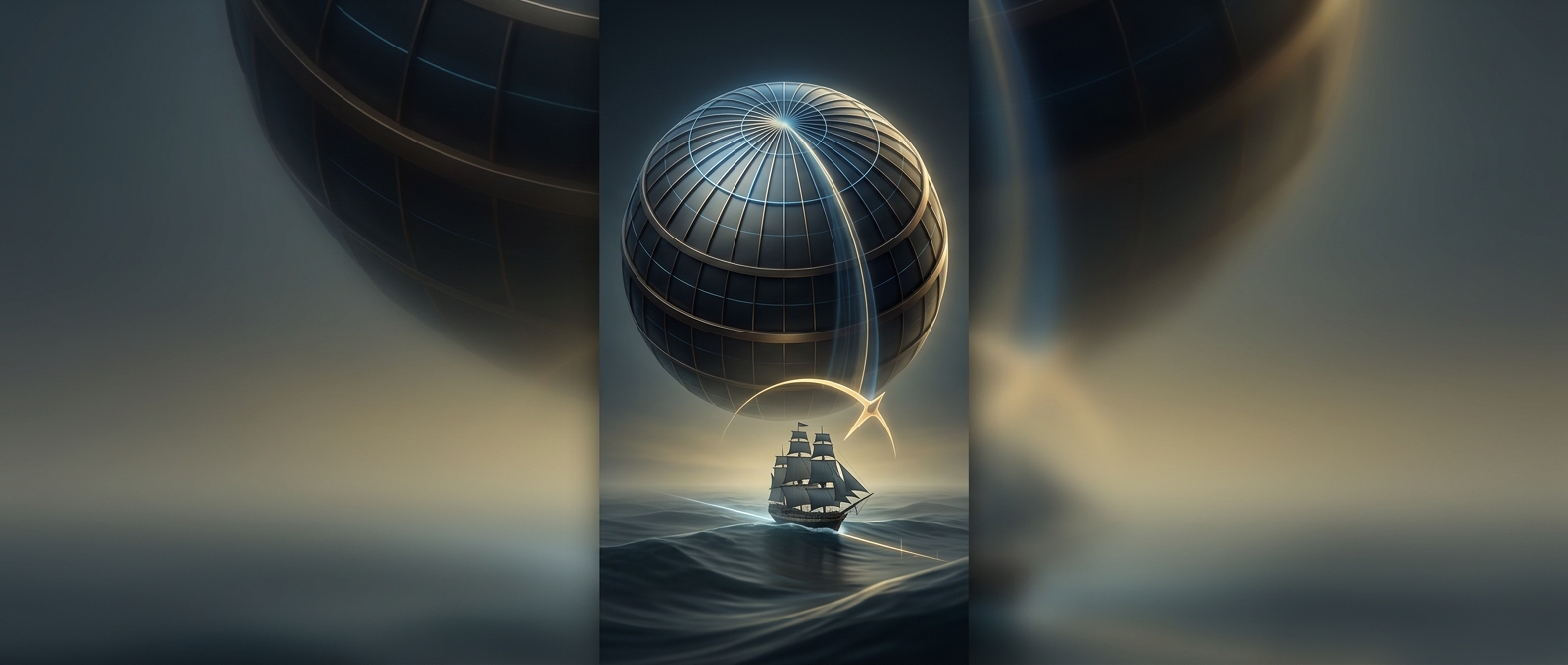
This geometry matters in transport because the shortest path between two points on a sphere follows a great circle. A ship or aircraft can therefore take a route that looks curved on a flat map but is straighter across the globe. Flat maps stretch or reshape parts of Earth to fit a page, so a route that looks like a straight line there may not be the shortest one on the planet.
Navigation systems use coordinates and route planning to turn that spherical geometry into practical directions. The hemisphere labels help describe where places lie, while the great-circle path helps explain why a long-distance journey may bend north or south rather than follow a visually direct east–west line. The dividing line is a choice; the geometry behind it is what makes the route useful.