A disaster zone became a passage for sightseers
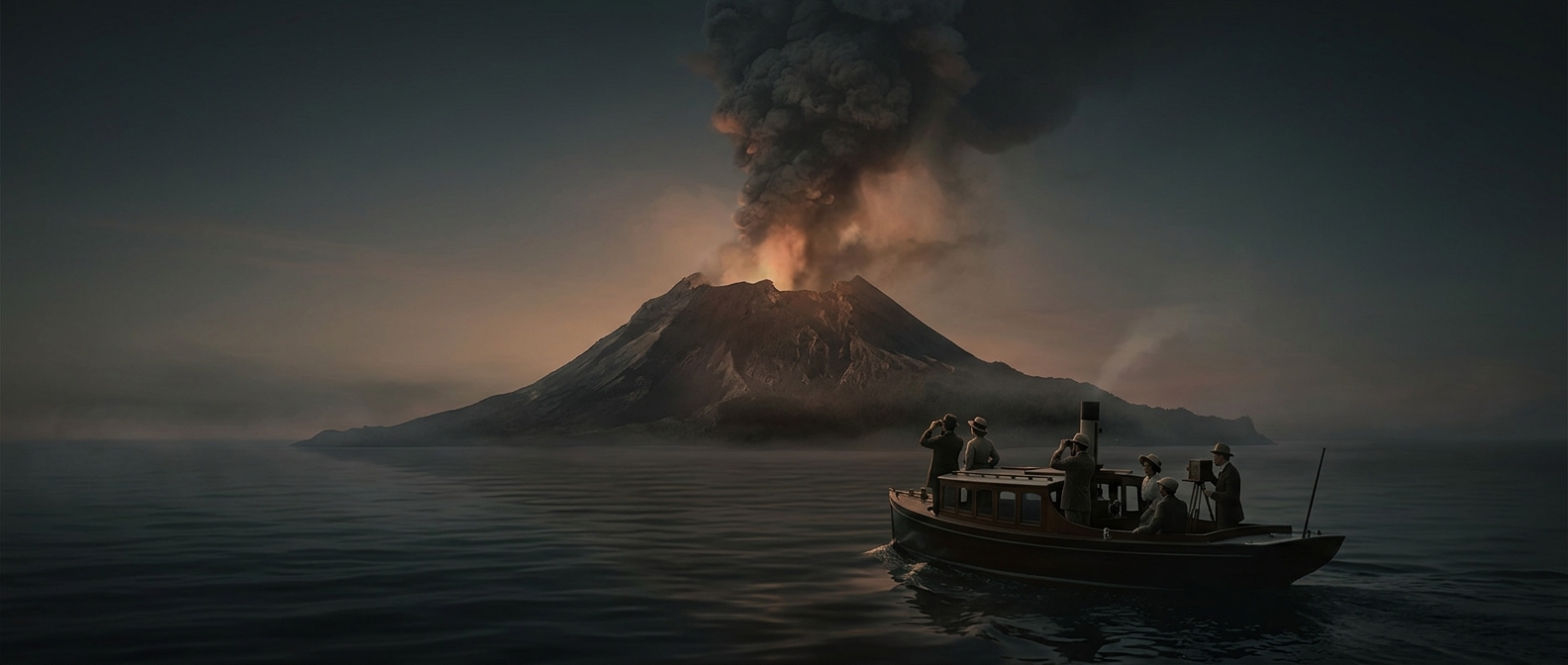
After Krakatoa erupted in 1883, the Sunda Strait between Java and Sumatra was not simply a place to avoid. Steamship operators chartered cruises that carried tourists through waters scattered with pumice and other debris, turning a catastrophic event into a destination for people eager to see its aftermath.
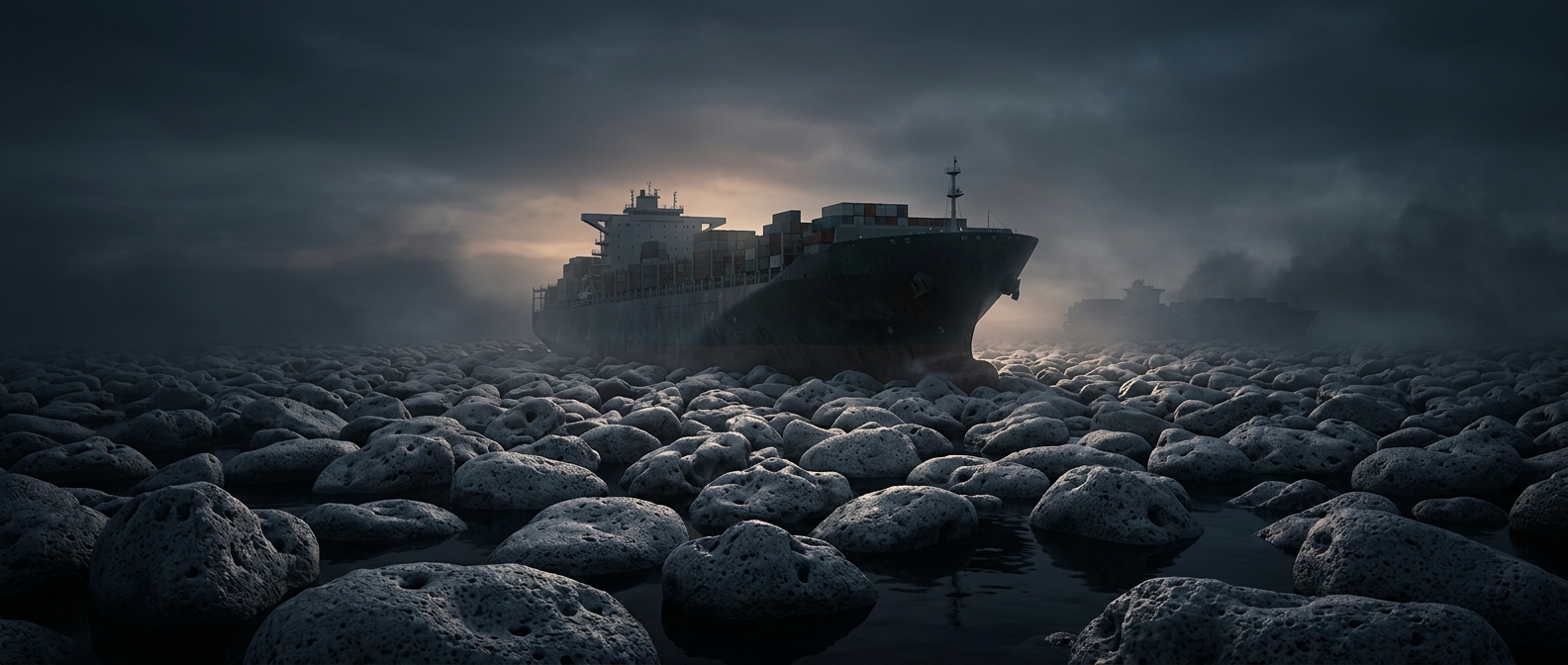
The attraction was the contrast between an ordinary voyage and a landscape visibly altered by immense natural violence. From a ship, passengers could approach the scene without setting foot on devastated shorelines. The floating material made the damage tangible: pumice is porous volcanic rock light enough to remain afloat, and debris could spread far beyond the volcano itself.
The sea carried the aftermath outward
Krakatoa’s eruption was accompanied by destructive waves and ash, so the strait’s surface was part of the disaster, not just a viewing platform. Floating pumice could form broad rafts, changing the water through which ships had to pass. A cruise therefore offered spectacle while also requiring crews to move through an unusual and potentially difficult environment.
That combination helps explain the appeal. Travelers could witness a recent catastrophe at close range, while operators could package an extraordinary event as an excursion. The same waters that carried the eruption’s debris became a route for people seeking to look at the damage from a safer distance.
The detail worth remembering is how quickly disaster could be folded into travel: in 1883, floating volcanic rock was both evidence of Krakatoa’s reach and part of the scenery sold to curious passengers.