Why the cable survives the missing charger
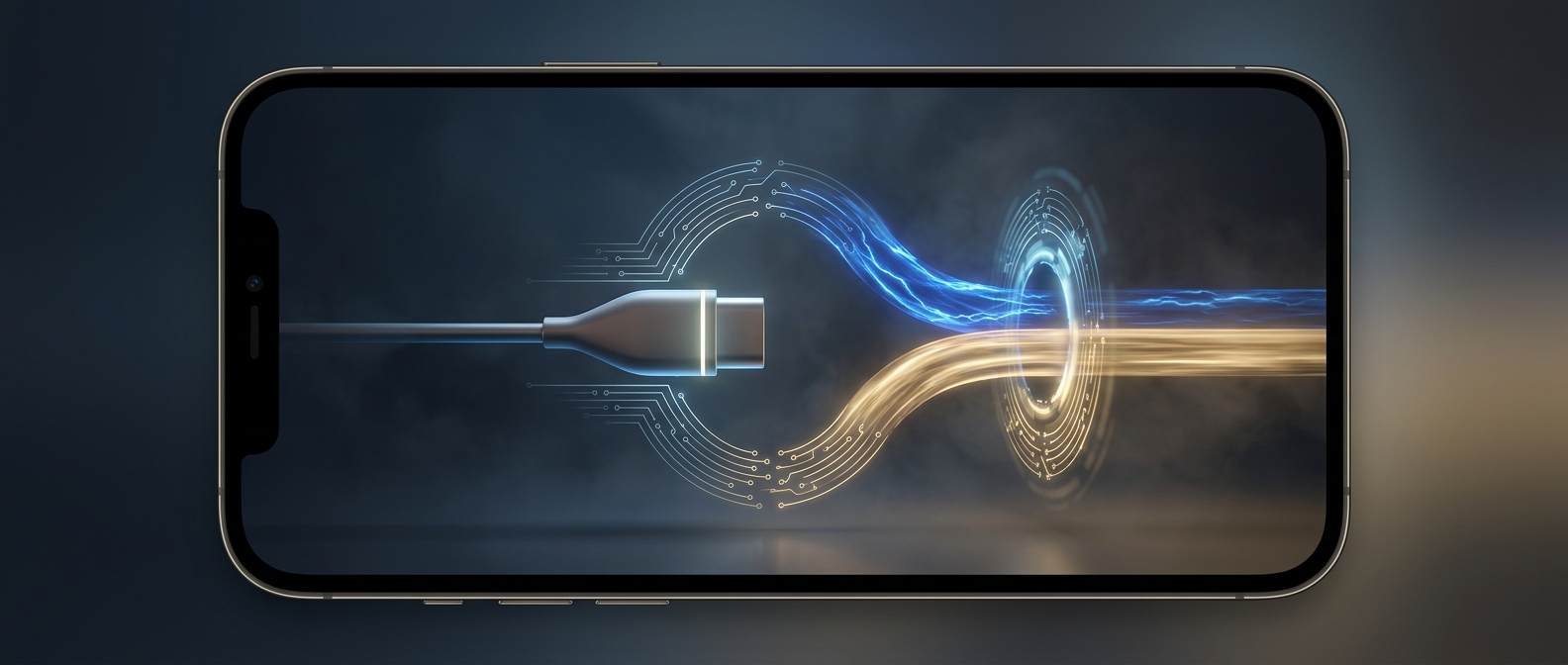
A charging setup has two separate jobs. The power adapter, or “brick,” converts electricity from a wall outlet into the lower-voltage power a device can use. The cable carries that power from the adapter to the device. A cable left on its own may still connect to a computer or another power source, but it cannot draw power from the wall without a suitable adapter.
Separating the parts makes chargers easier to pack and lets one cable work with different compatible adapters. It also creates two small, easily misplaced objects instead of one fixed unit. The cable may stay in a bag while the brick is left plugged into an outlet—or loaned to someone who returns only the cord.
Modularity shifts the weak link
When the two pieces are interchangeable, losing one does not necessarily mean replacing both. But the replacement has to fit the device and provide appropriate power; a connector that fits is not, by itself, proof that an adapter is suitable. That turns a missing brick into a compatibility problem as well as an inconvenience.
The design tradeoff is simple: separable parts offer flexibility, but each part can wander off independently. The cable is the visible survivor, while the small adapter that makes a wall outlet useful is often the piece the whole setup depends on.