Why a Misspelled Billboard Can Outrun Its Message
A roadside sign has only a few seconds to compete with scenery, traffic, and other ads. A deliberate spelling mistake interrupts that quick scan: the eye catches what looks wrong, then circles back to read it. That extra beat can make a small business more memorable than a polished slogan would be.
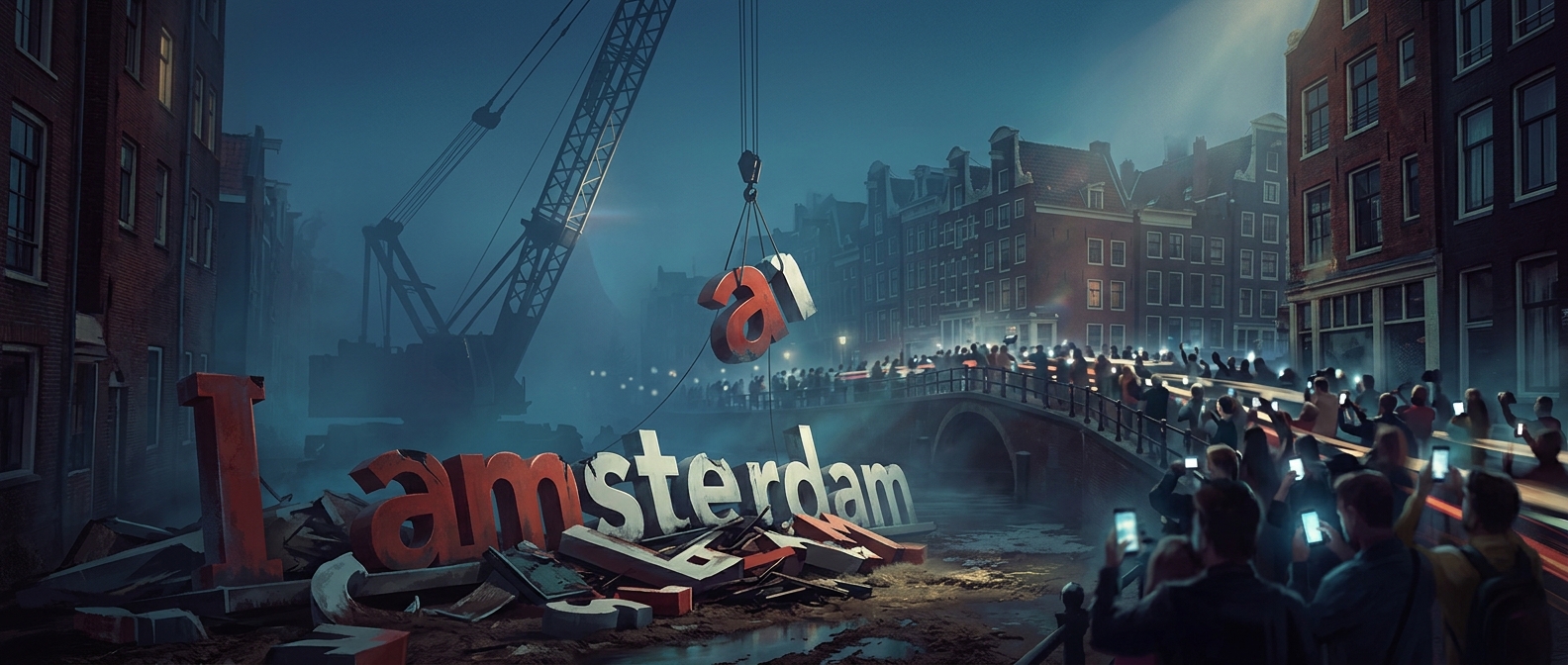
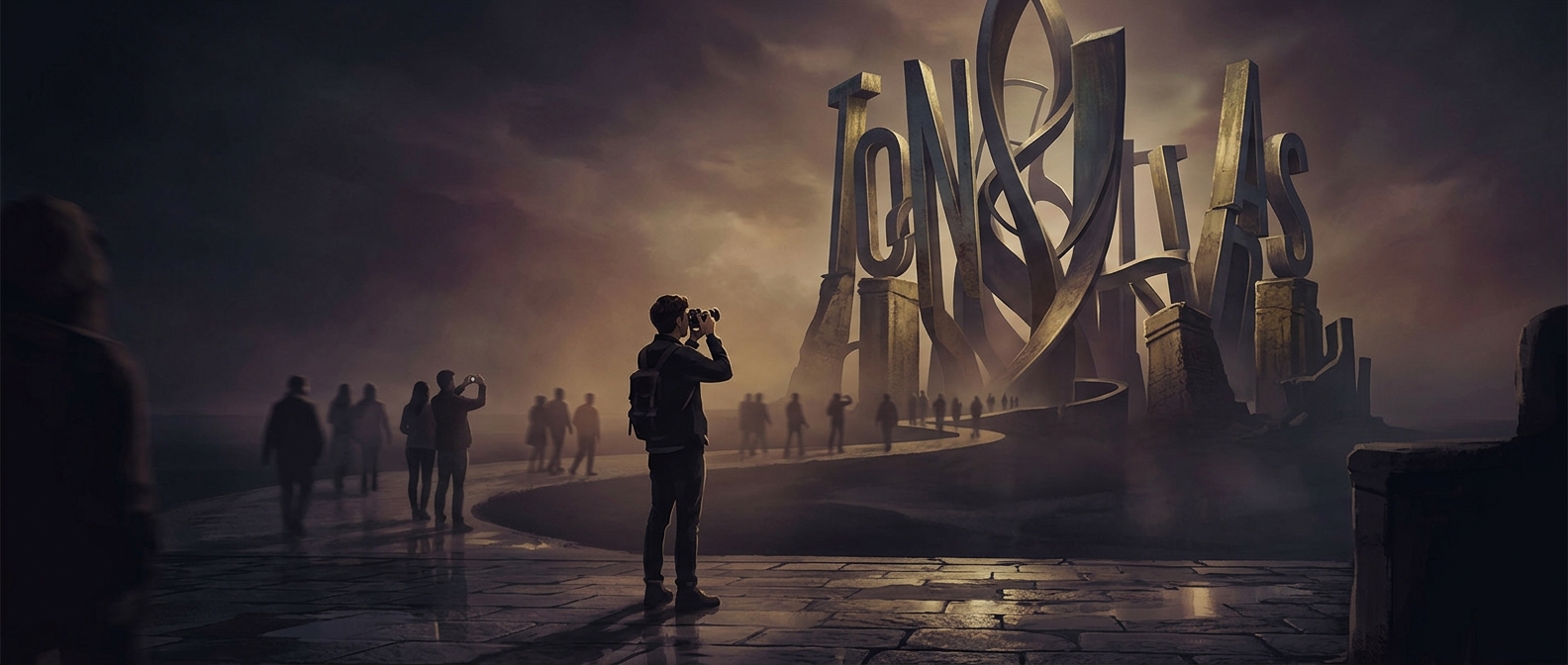
The mistake also gives travelers something easy to do with the moment. A photo turns a passing oddity into a joke they can send to friends or post online. The business name or location may travel with the image, so the sign keeps attracting attention after the driver has left the road. In effect, the audience does some of the distribution that a paid campaign would otherwise need to buy.
The Joke Has to Point Somewhere
The tactic works best when the error is obviously intentional and the underlying message remains clear. If people cannot tell whether the sign is a joke or simply careless, the attention may not help the business. And a funny photo is not the same as a sale: the sign still needs to make clear what is being offered and where to find it.
That is the tradeoff. A conventional billboard tries to look trustworthy and professional; a playful typo risks appearing less polished in exchange for being easier to notice and share. For a roadside stop, where many potential customers are making a quick decision, a sign that gets remembered—or passed along in a photo—can keep the business in mind long after the traveler has driven past.