How intestinal gas gets out
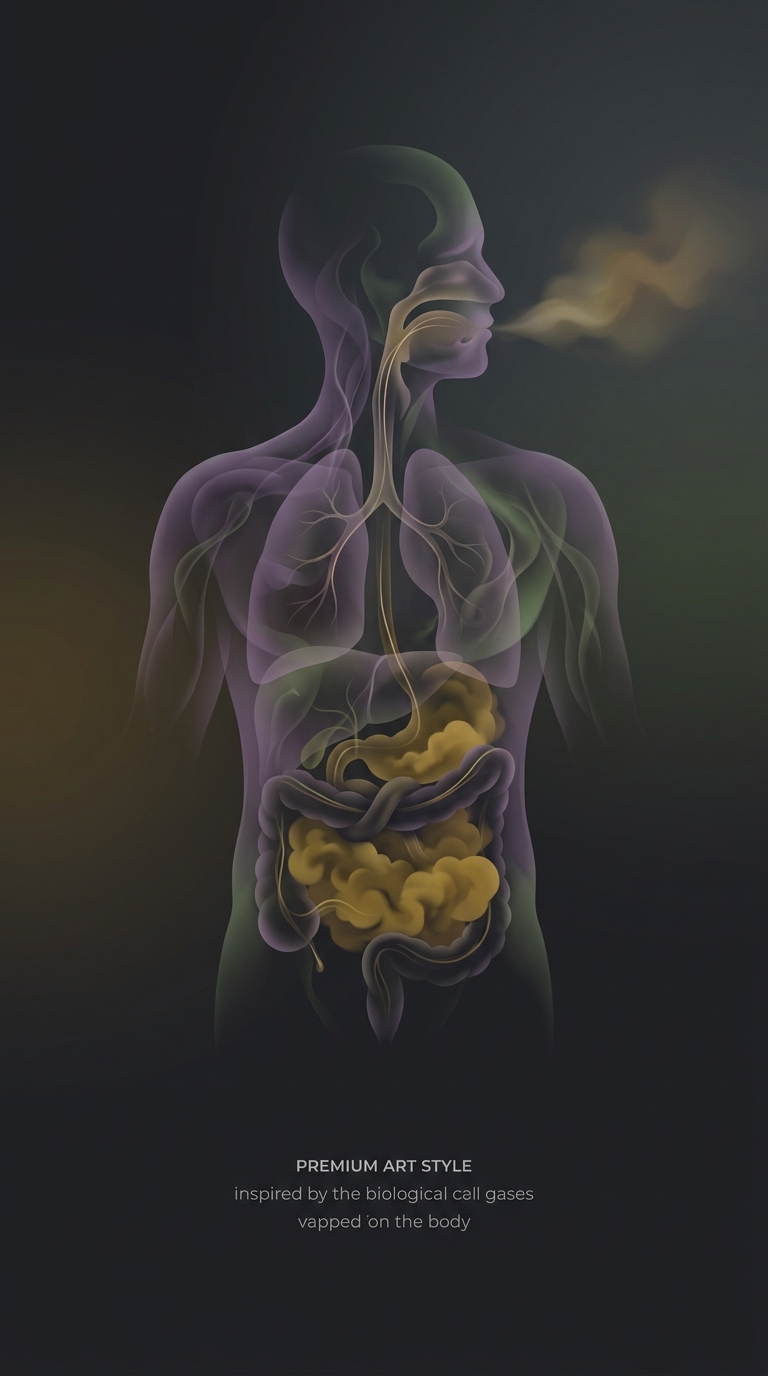
Gas in the digestive tract comes mainly from two routes: air swallowed while eating or drinking, and gases produced by gut microbes as they break down food the body has not fully digested. Those gases collect in the intestines, where pressure and movement can eventually push them toward the rectum.
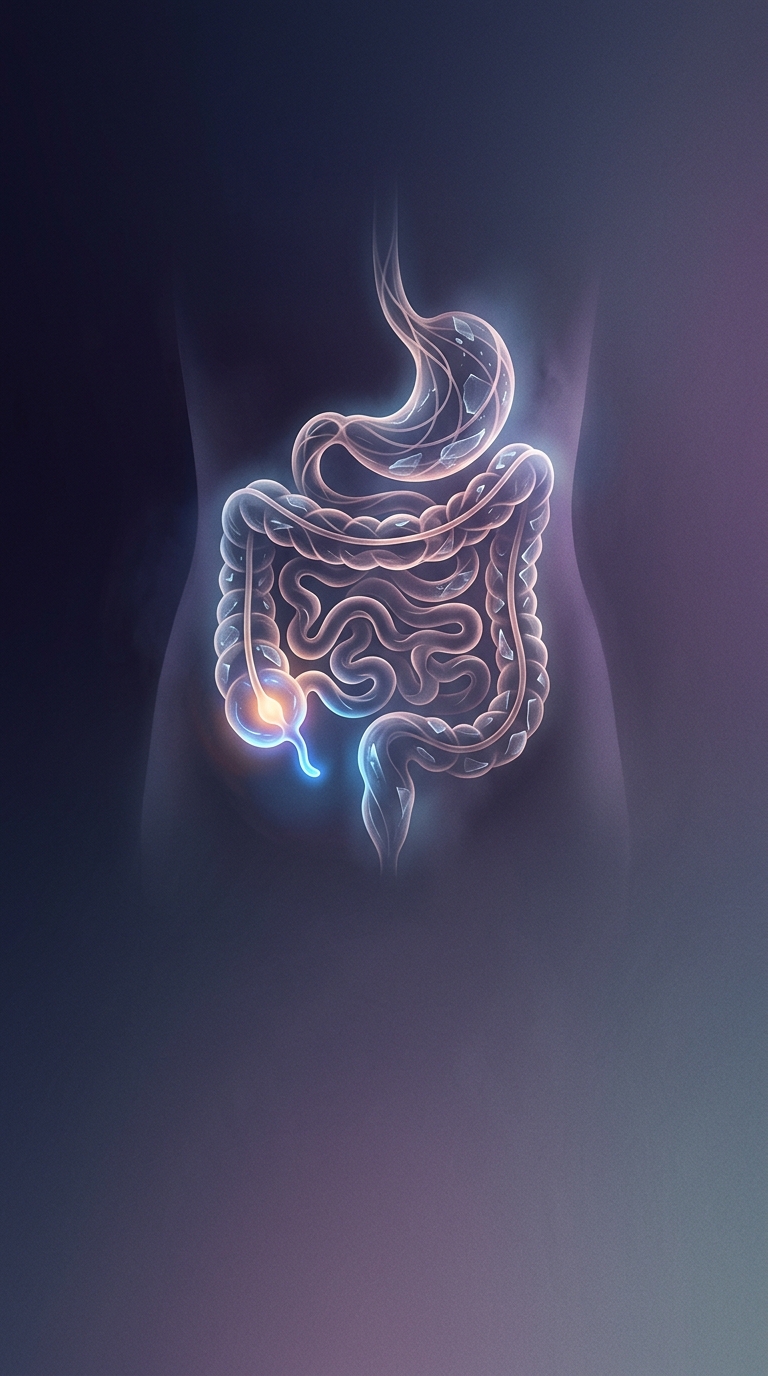
The rectum’s walls stretch as gas arrives. Sensors there register the pressure, and muscles around the anus help control whether it is released. The result is flatulence: the clinical term for gas passing out of the digestive tract through the anus.
Why it can vary
The amount and odor depend partly on what reaches the microbes in the colon. Different foods leave different material for them to ferment, and fermentation produces a mixture of gases. Most of the volume is made up of gases that have little or no odor; trace compounds containing sulfur can contribute a stronger smell.
Flatulence is therefore not just swallowed air escaping. It is also a normal by-product of digestion and the activity of the gut’s microbial community. The clinical word names the process, whether the gas is barely noticeable or announces itself unmistakably.