What a Banshee’s Cry Was Thought to Mean
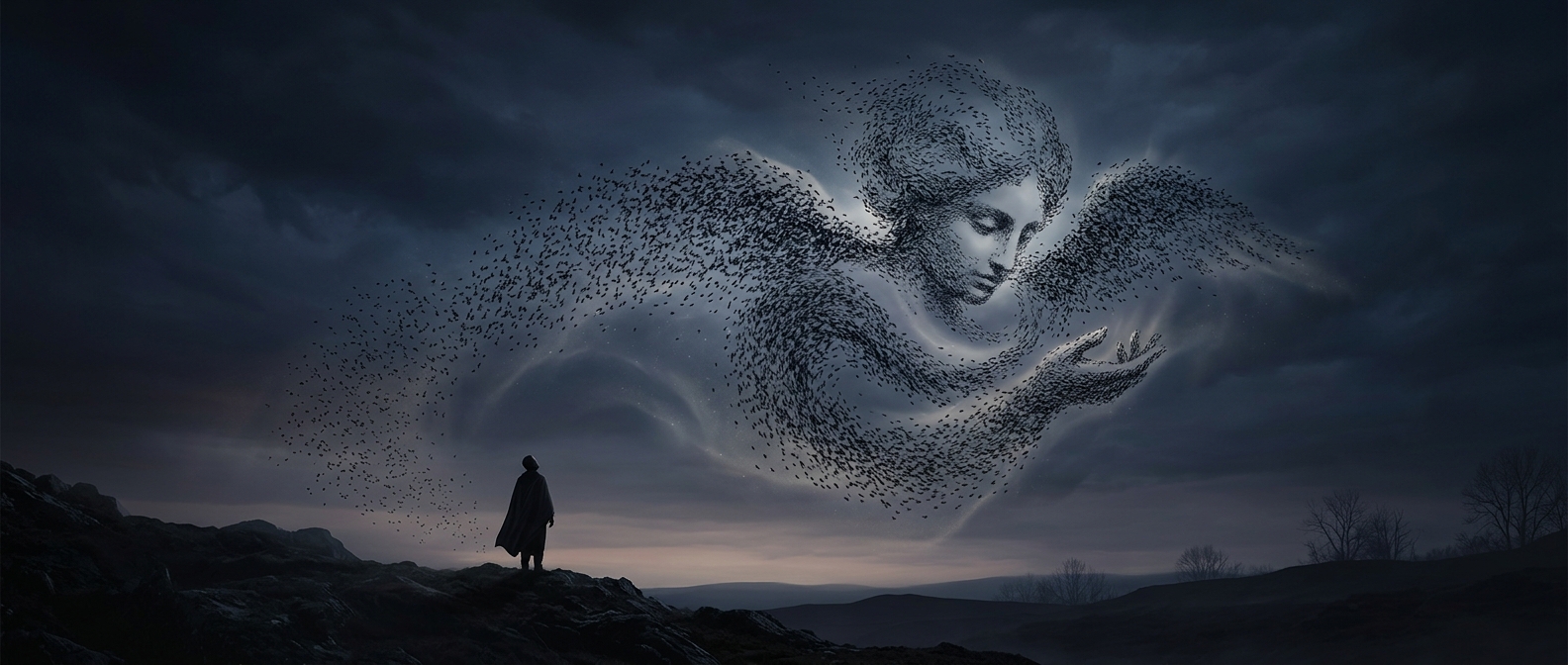
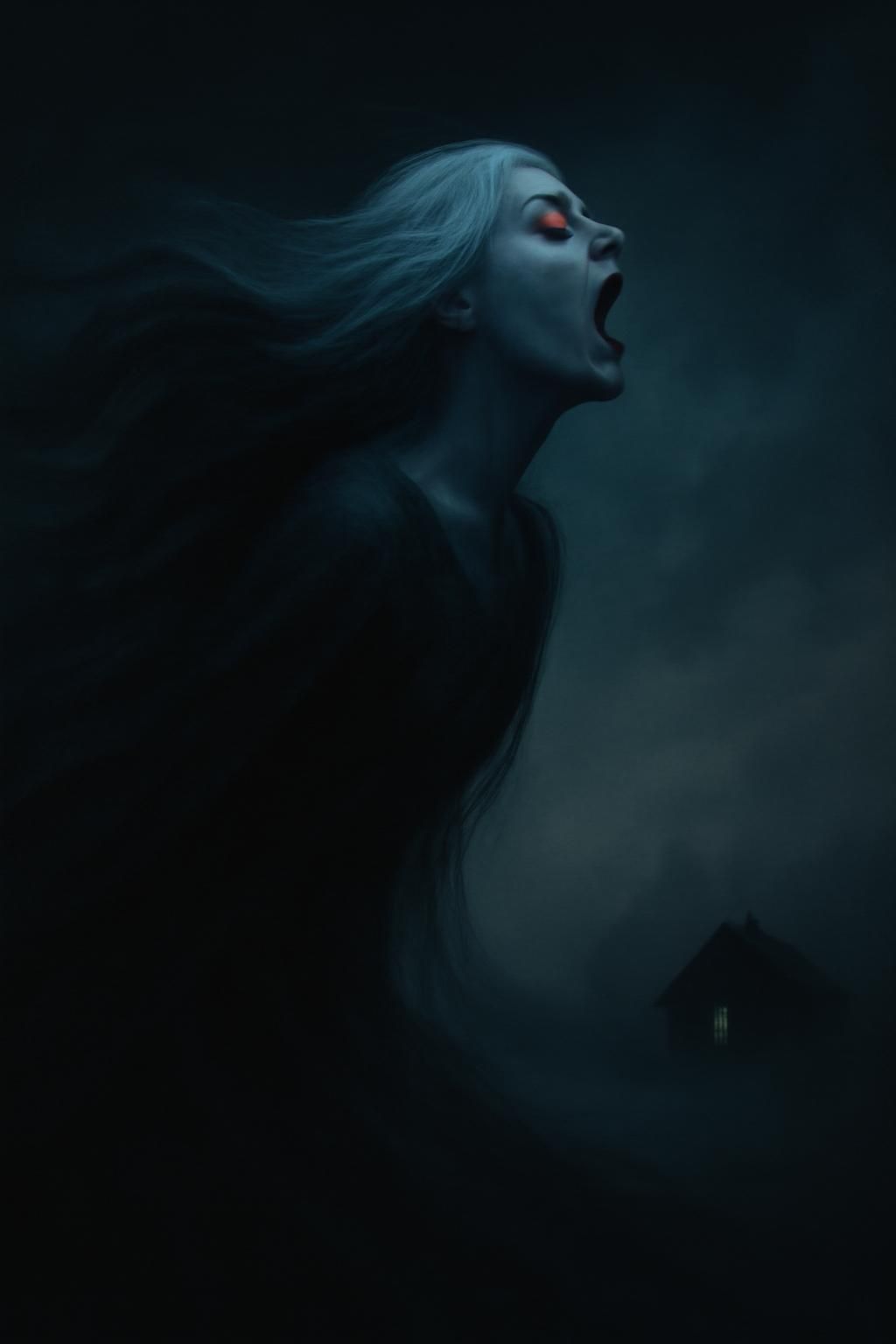
In Irish tradition, a banshee—bean sí, often translated as “woman of the fairy mound”—was an otherworldly figure whose wail foretold a death. The cry was not usually understood as causing someone to die. It announced that a death was near, making the sound a warning and a lament at once.
Older stories sometimes linked a banshee to a particular family. Her appearance or voice might be associated with a household across generations, so the omen was understood as intimate: she mourned the family’s coming loss rather than sounding a general alarm for the whole community. Accounts varied, and the banshee could be described as a woman keening, a spectral figure, or simply a voice heard at night.
Why the Wail Mattered
The banshee’s role makes sense alongside keening, the traditional practice of lamenting the dead with cries and songs. In a world where death often came at home, a mourning voice carried a clear social meaning: someone had died, and the bereaved needed to be gathered and supported. Folklore gave that familiar sound a supernatural messenger, placing grief just beyond the window before it entered the house.
The stories did not make the banshee a universal monster or a reliable prediction in any modern sense. They made her a figure of family memory, bound to the expectation that sorrow could return from one generation to the next. That is why the most unsettling detail is also the most human: her scream was imagined not as a threat, but as the sound of mourning arriving early.»