Why the Left Cheek Can Make a Portrait Feel More Expressive
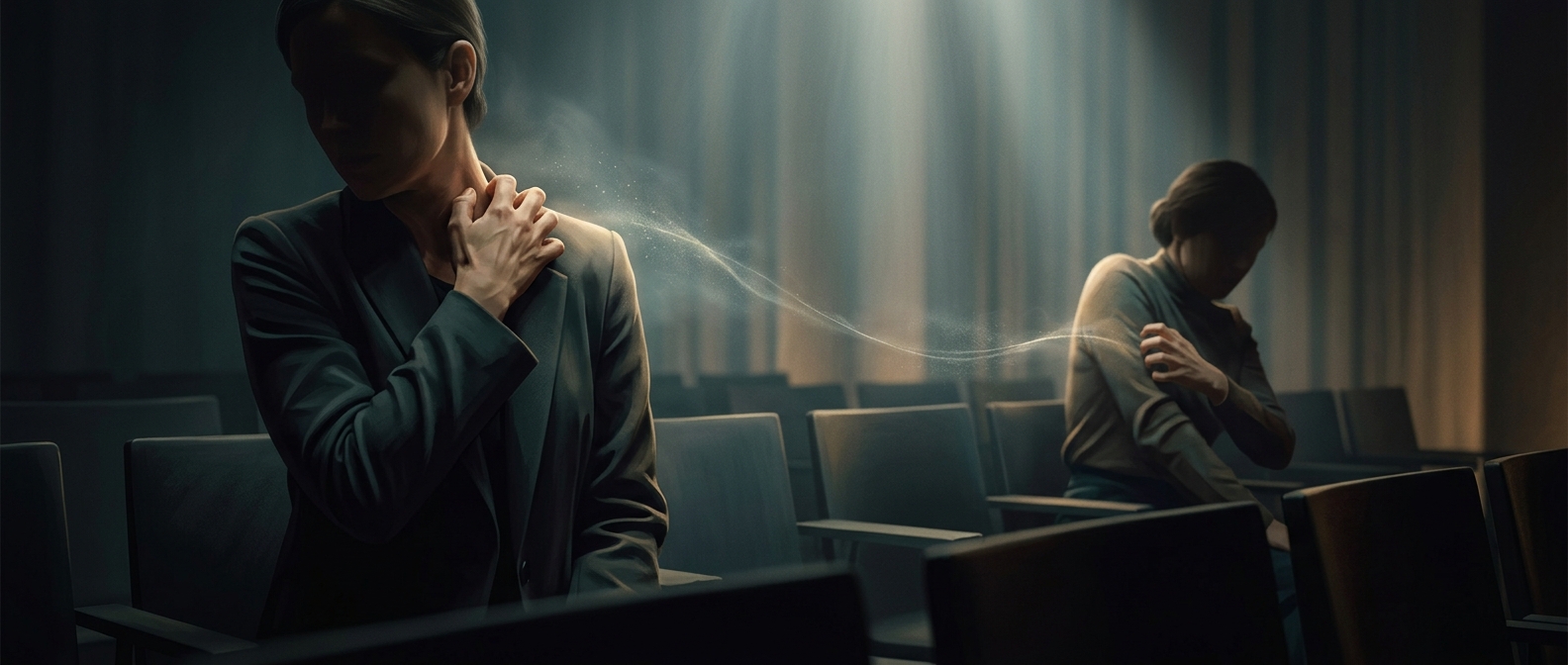
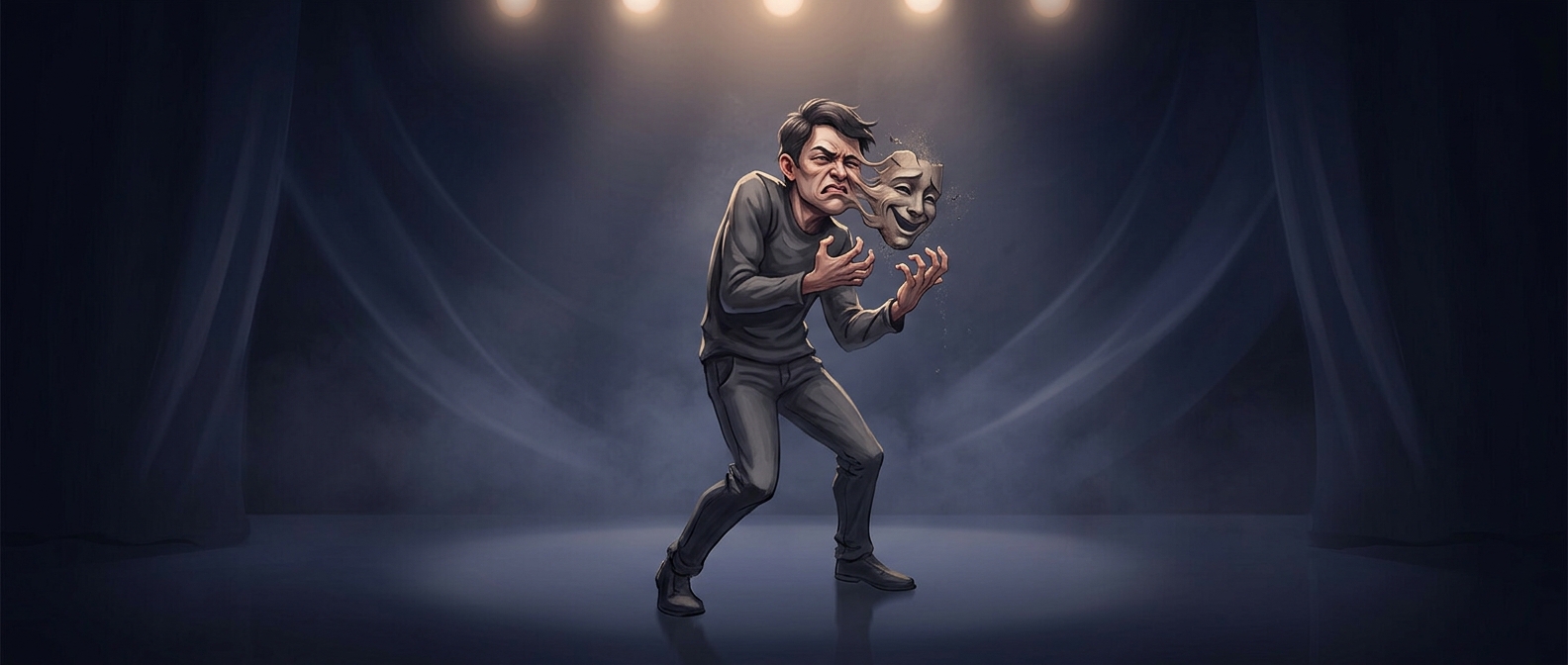
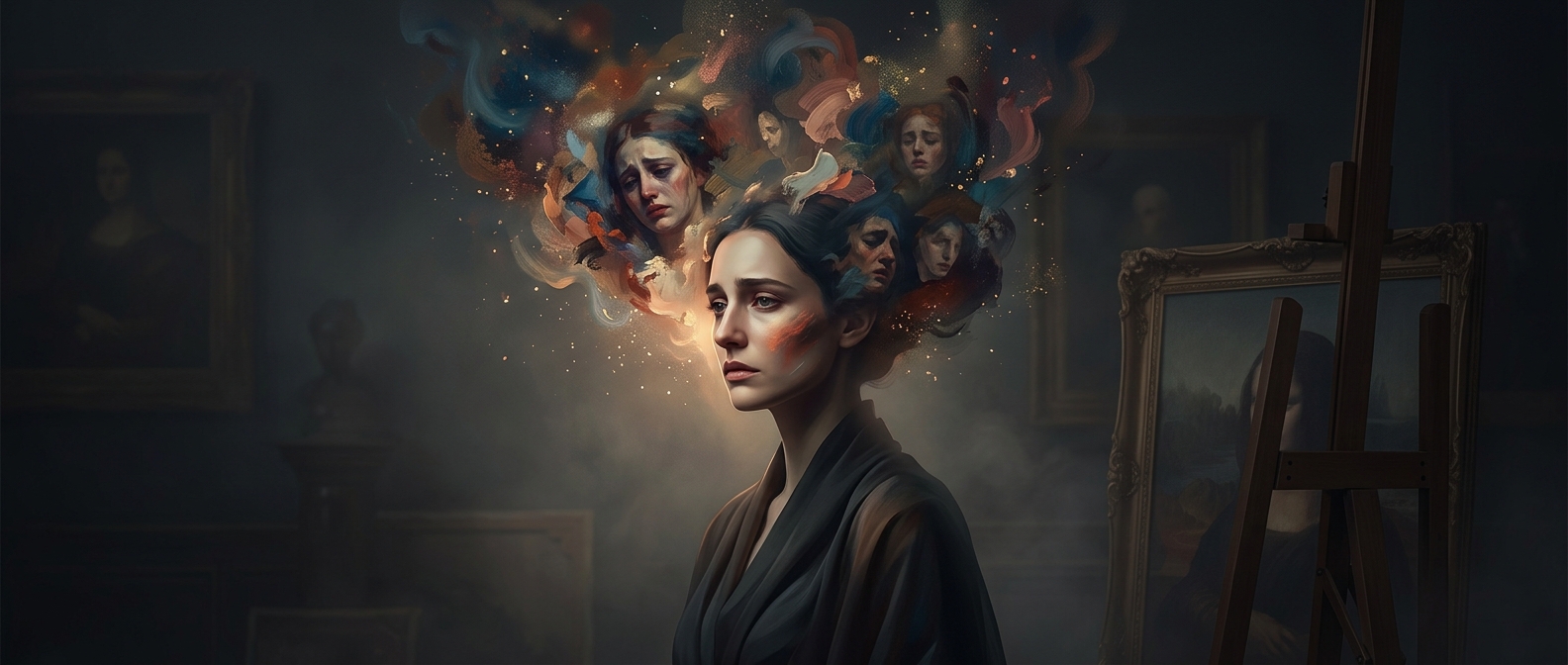
A face does not always display emotion evenly. A smile, frown, or look of concern may appear stronger on one side, giving a portrait an asymmetry that viewers can read as emotional intensity rather than perfect composure.
One reason is that the brain’s two hemispheres do not contribute identically to emotion. The right hemisphere is especially involved in aspects of emotional processing and has strong influence over movement on the left side of the body. Facial control is more complicated than a simple one-hemisphere, one-side switch, but this uneven influence can help make the left side of a person’s face more expressive.
A Small Turn Changes the Impression
When a sitter turns to show the left cheek, that side becomes more visible. If it carries a stronger expression, the pose can bring the emotion forward: a hint of worry may seem more apparent, or a smile more alive. The angle also makes the face look less formally symmetrical, which can give the portrait a sense of immediacy.
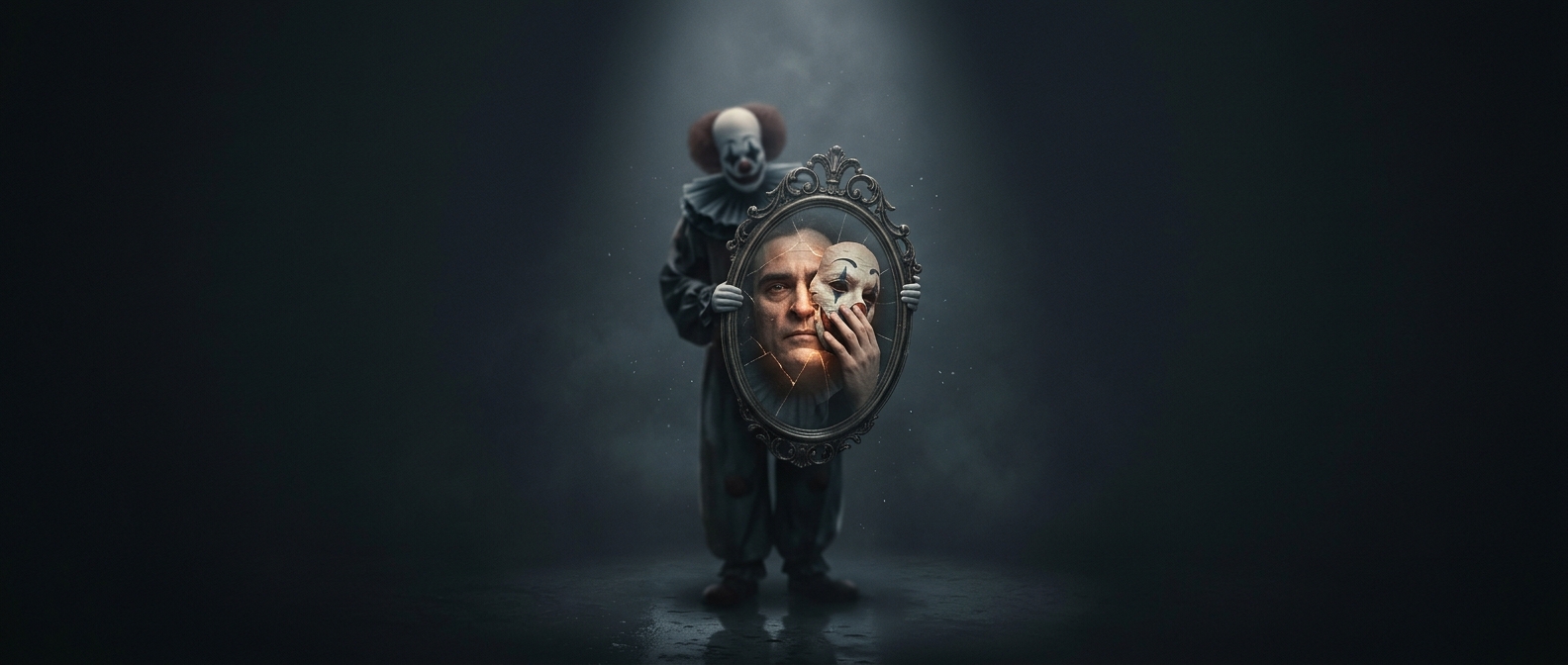
That is an effect, not a guarantee. A person’s expression, the lighting, and the artist’s choices all shape what the viewer sees. Still, a slight turn can change which details command attention. In a portrait, a few degrees may be enough to make the sitter seem less like a composed likeness and more like someone whose feelings are showing.