Why rabbits took over Okunoshima
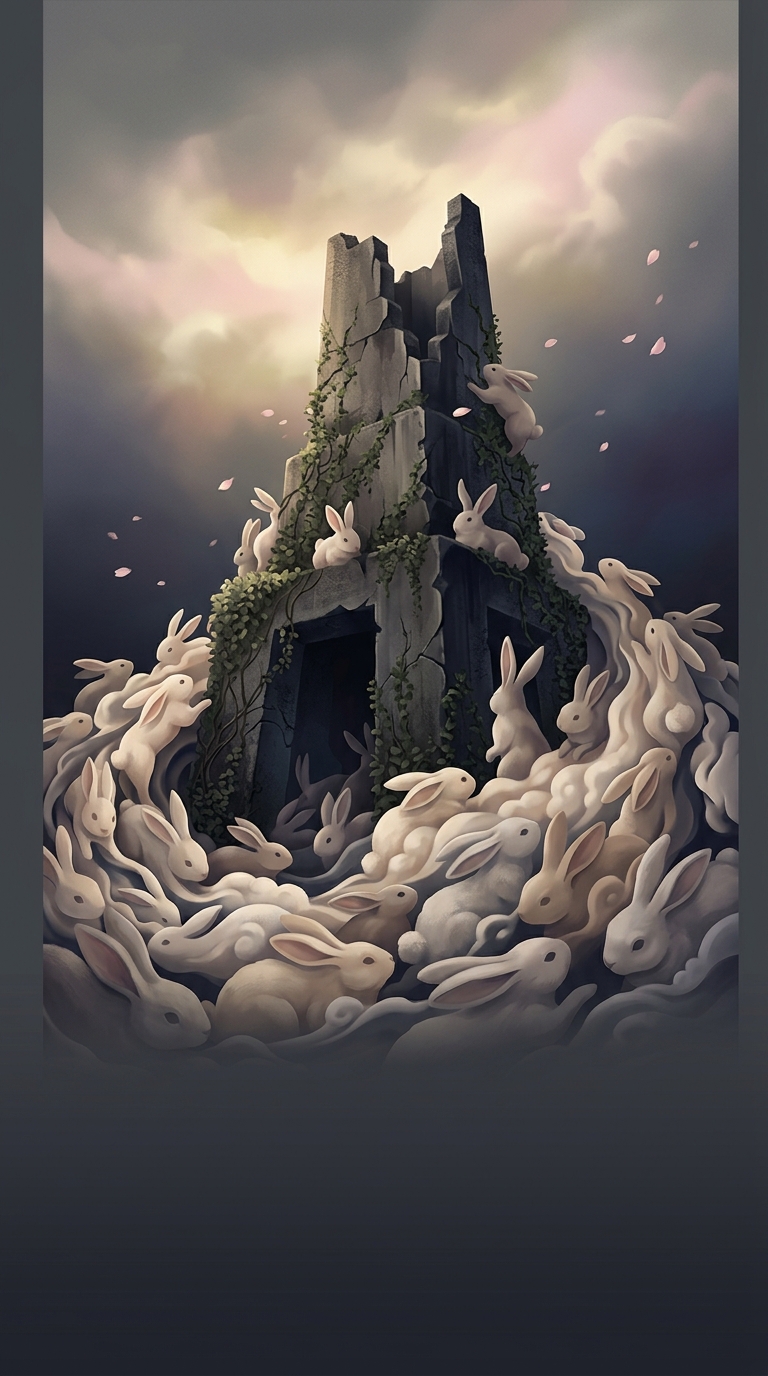
Okunoshima’s rabbits are not kept in a park or penned for visitors. They roam freely across the small island, so paths, open areas and visitor stops can all become places for close encounters. Rabbits that have learned to associate people with food may run up quickly or nudge bags; that behavior can feel demanding, but it is a learned response, not aggression in the human sense.
The island’s rabbit population is often linked to animals released there after the war, but its precise origins are not firmly established. What is clear is that the rabbits multiplied in a setting where people regularly visit and feed them. Their visibility has helped turn a place with a difficult past into a major wildlife-focused tourist destination.
A quiet landscape with a wartime history
The contrast is striking because Okunoshima was once a secret site for producing chemical weapons for Japan’s wartime military. Its industrial role was kept from the public, and remnants of the facilities remain alongside the island’s present-day trails and visitor areas. A museum on the island documents that history.
The story sometimes told that the rabbits descend from animals used in poison-gas experiments is unconfirmed. The island’s rabbits and its wartime factories are both part of Okunoshima’s history, but that connection should not be presented as established fact.
What visitors’ snacks can change
The rabbits’ eagerness makes feeding them seem like part of the attraction, yet food left behind can spoil, and crowding can put animals in the path of people and vehicles. Visitors are generally encouraged to feed rabbits only in suitable places and to take leftover food and packaging away. The practical lesson is that a friendly encounter is not the same as a harmless one: the island’s unusual closeness between tourists and wildlife depends on people not turning every approach into a snack.