When the Open Mic Changed Its Audience
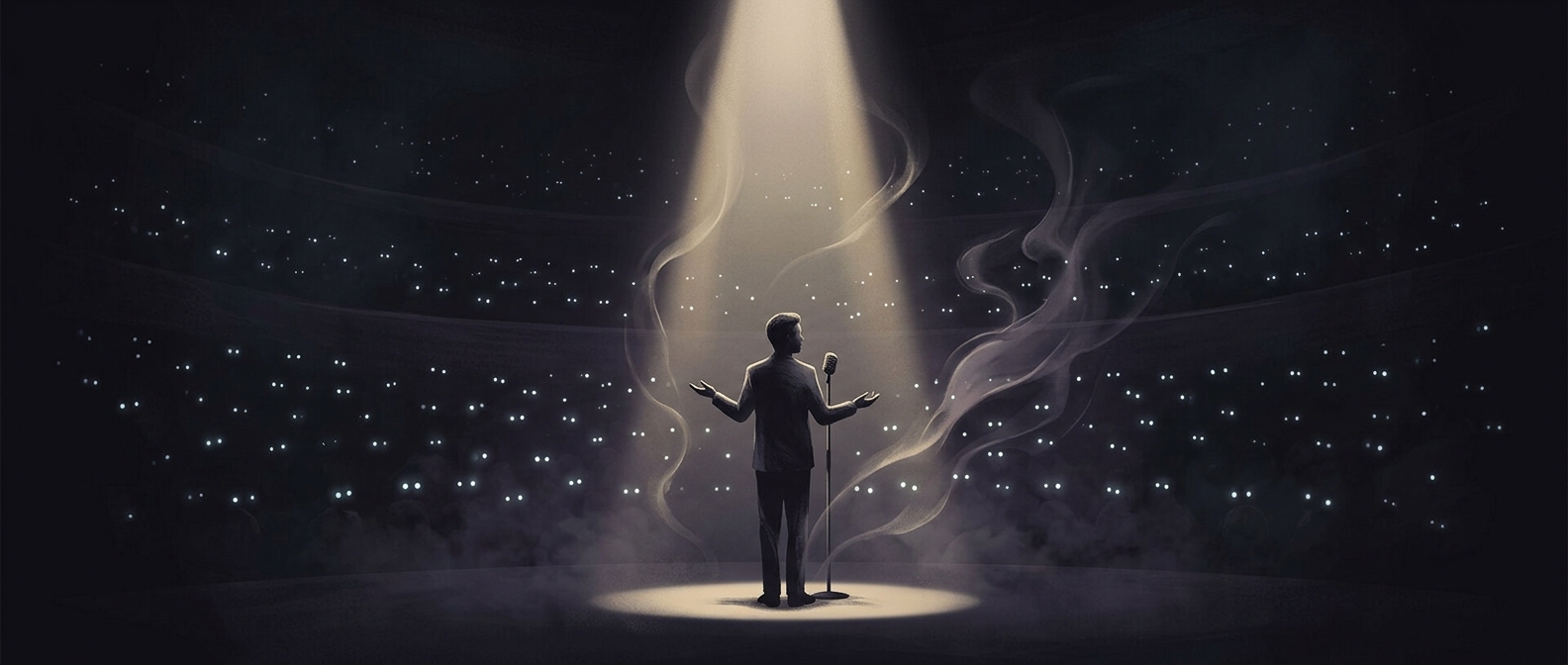
An open mic is a shared stage: performers sign up, take brief turns, and test material in front of whoever has come that night. In the 1970s, that format brought joke-tellers into spaces where poets had been reading, including basement venues. The shift was not simply a new kind of performer arriving. It changed what a night at the mic was built to reward.
Why Jokes Could Take Over the Room
A joke often makes its effect immediately legible: the audience laughs, or it does not. Poetry can ask for quieter attention, patience, or room to follow an image and its rhythm. In a lively venue, a comic’s quick feedback can shape the mood of the whole evening, while a poem may need a different kind of listening.
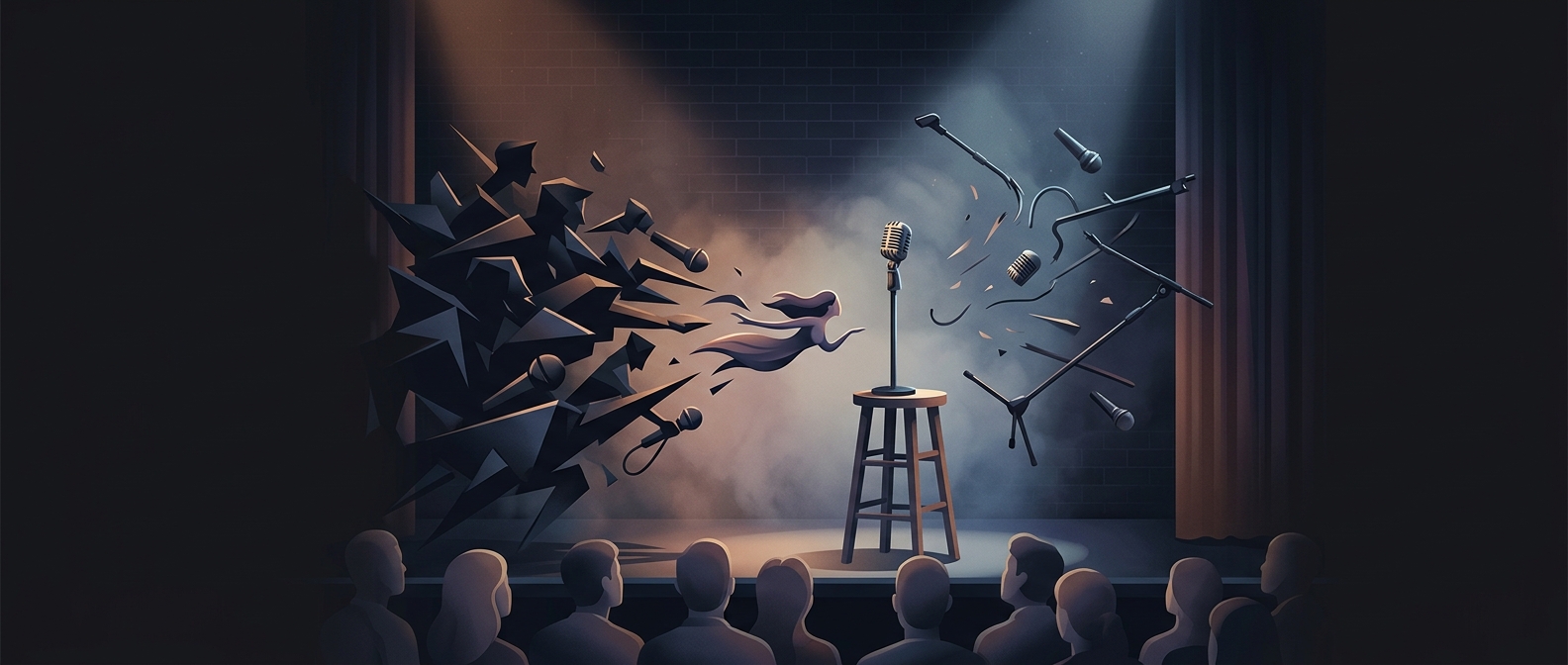
That difference matters when performers share scarce time and space. If a venue’s crowd responds more readily to comedy, organizers have an incentive to give the stage to what keeps the room engaged. As joke-tellers became part of poetry open mics, the balance could tip away from the poets those events had first accommodated.
A Stage Is Also a Format
The consequence was more than poets losing a place to read. The open mic itself could become a setting where humor, timing, and audience response set the terms—even when the event had begun as a poetry gathering. A basement stage was never just a room; it was a limited public platform, and whoever held the audience’s attention could help determine what belonged on it.