Why Choronzon Was Called the Demon of Dispersion
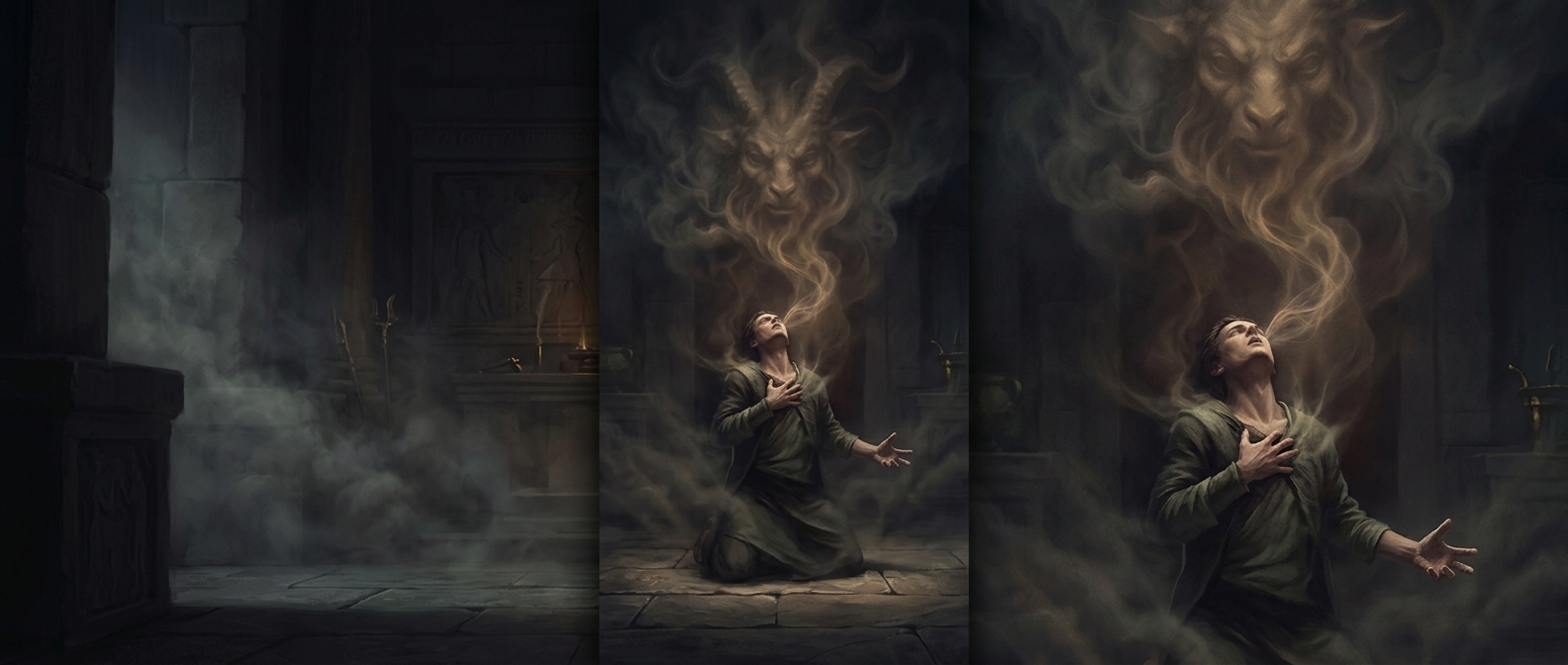
Crowley’s desert rite drew on Enochian magic, a system of ritual language and visions associated with the 16th-century English figures John Dee and Edward Kelley. In Crowley and Victor Neuburg’s 1909 working, they sought to explore one of the system’s “Aethyrs”—regions or levels of visionary experience. Choronzon was associated with ZAX, the tenth Aethyr, and Crowley treated the entity as a force of disorder that could scatter a person’s thoughts and sense of self.
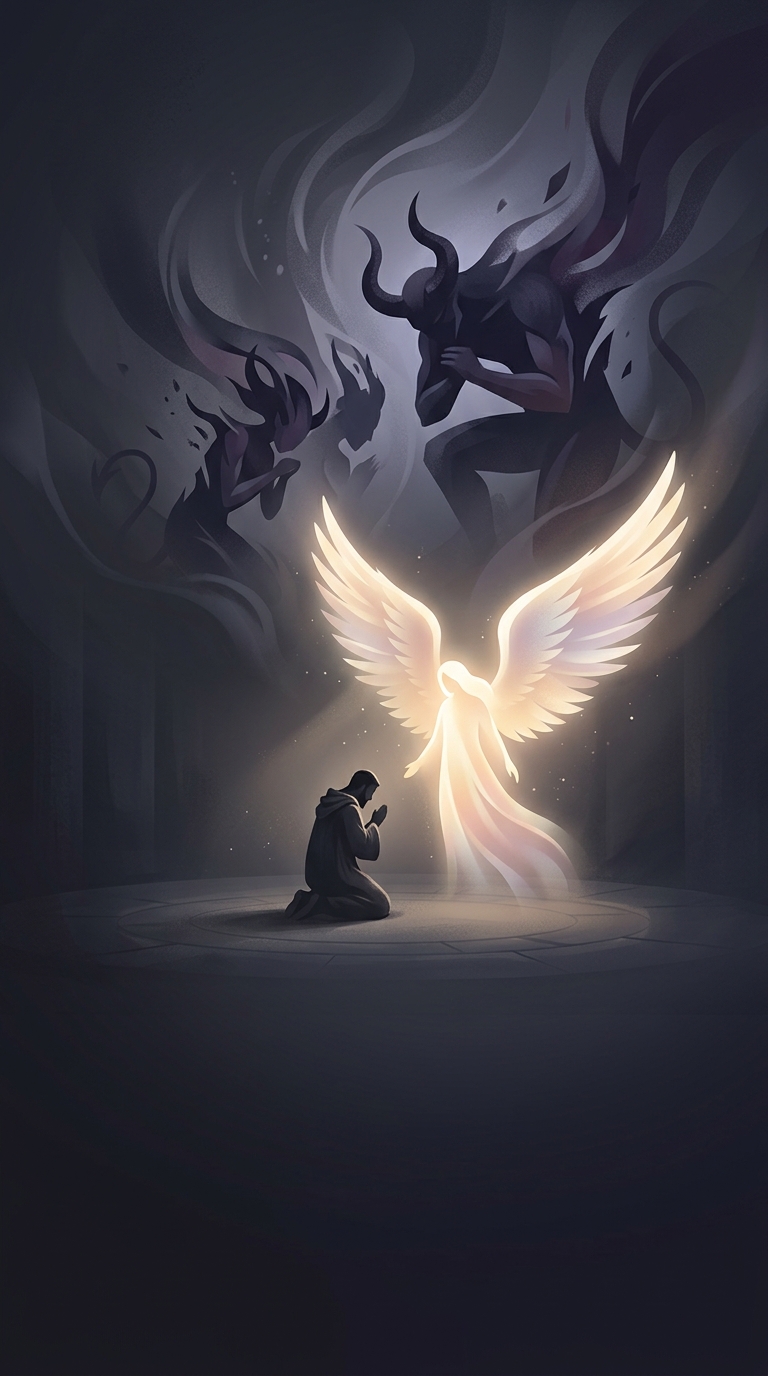
“Dispersion” was therefore more than a frightening label. In the ritual’s logic, the danger was that the operator might lose the concentration and boundaries needed to direct the experience. Crowley used a protective circle as a barrier: the magician was meant to remain within it while the summoned presence was addressed from outside.
The Circle Made the Encounter Physical
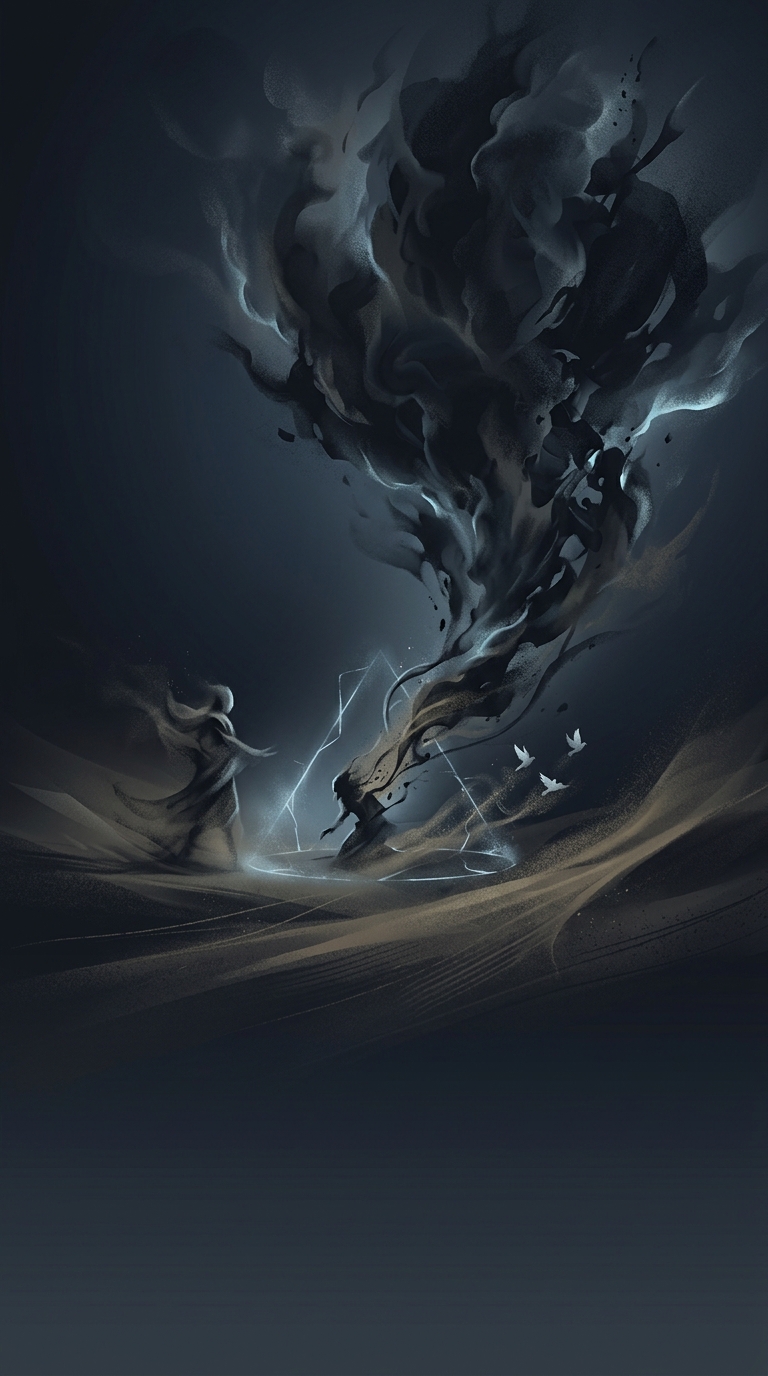
Neuburg’s account describes the ritual becoming a struggle rather than a controlled vision. Crowley threw sand at the circle and wrestled Neuburg to the ground. The gesture mattered within the rite because disturbing the boundary dramatized the very danger the circle was supposed to contain: confusion breaking into the operator’s protected space.
That episode does not establish that a supernatural being was present. It shows how Crowley and Neuburg enacted and recorded the encounter, with the circle, the sand, and the physical confrontation giving a mystical idea a stark, bodily form. The striking detail is that the ritual’s supposed defense became part of its drama: the threat of dispersion was represented by an attack on the boundary itself.