Why the charging curve bends
A battery does not take in energy at one steady rate. In a lithium-ion pack, charging pushes lithium ions into the battery’s negative electrode. When that electrode has plenty of capacity available, the car can safely send in a strong current. As it fills, its electrical voltage rises, and the margin for adding more charge shrinks.
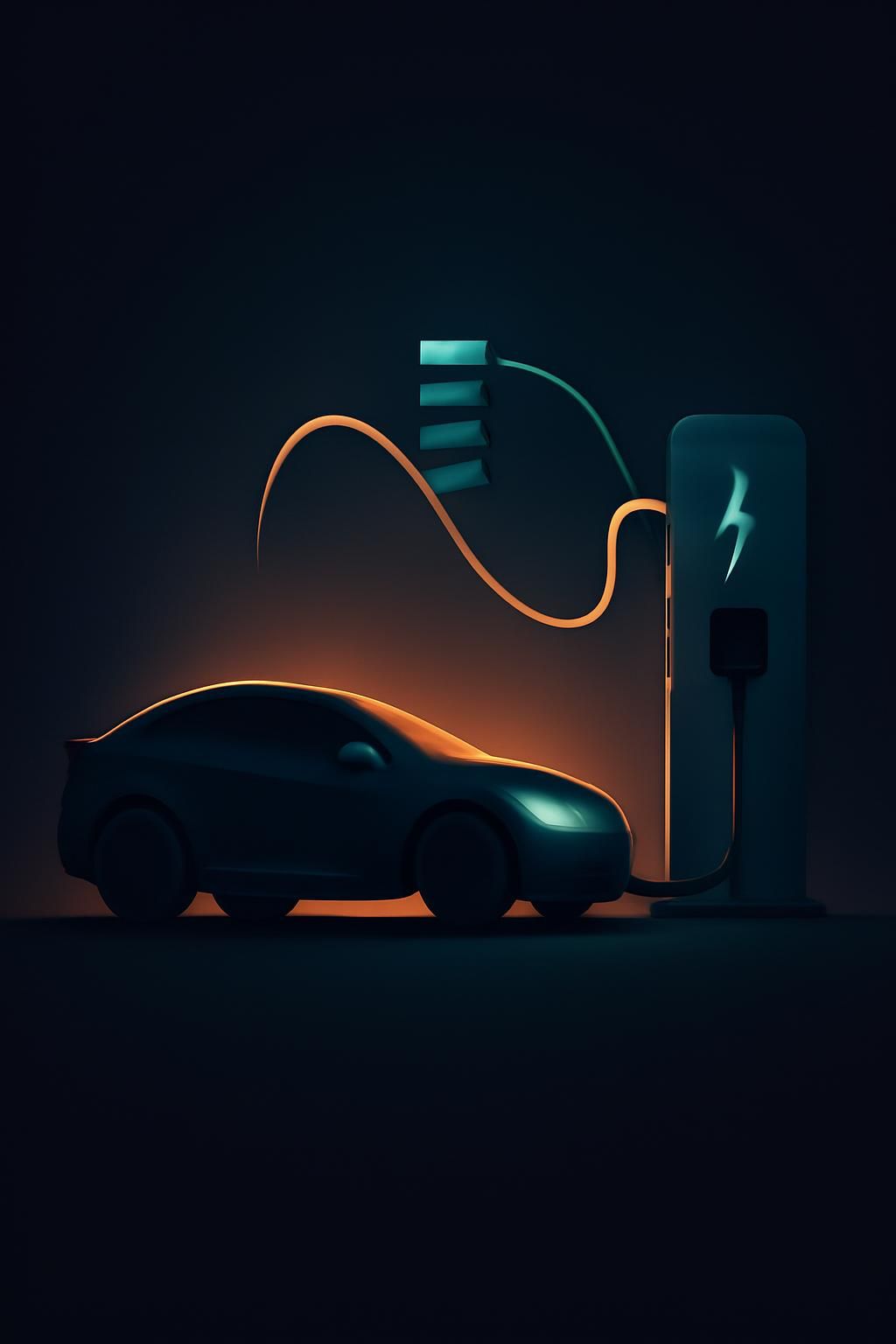
The car’s battery-management system monitors conditions across the pack and adjusts the power accordingly. During fast charging, it typically allows high current earlier, then reduces it as the cells approach their voltage limits. This gradual reduction is called charge taper. It helps prevent excessive heat and stress that could accelerate battery wear or create safety risks.
Why the final stretch takes longer
A battery pack contains many cells, and they do not all behave exactly alike. The system has to keep the most voltage-sensitive cells within safe limits, rather than treating the pack as one perfectly uniform container. Temperature matters, too: a cold battery may accept less power, while a hot one may need charging slowed to manage heat. The car can therefore change its charging rate even when the driver has not touched the controls.
That is why a charger’s advertised peak power is not a promise that the car will draw that power for the whole session. The figure describes a maximum under suitable conditions; the actual rate follows the battery’s changing needs.
The useful stopping point
For a driver on a long trip, the fastest strategy is often to charge enough to reach the next stop rather than wait for a completely full battery. The final portion can take disproportionately long because the car is protecting its cells while bringing them close to their limit. In practice, the best time to unplug depends on the route, the weather, and the car’s charging curve—not just the number on the charger.