A garden designed around the danger
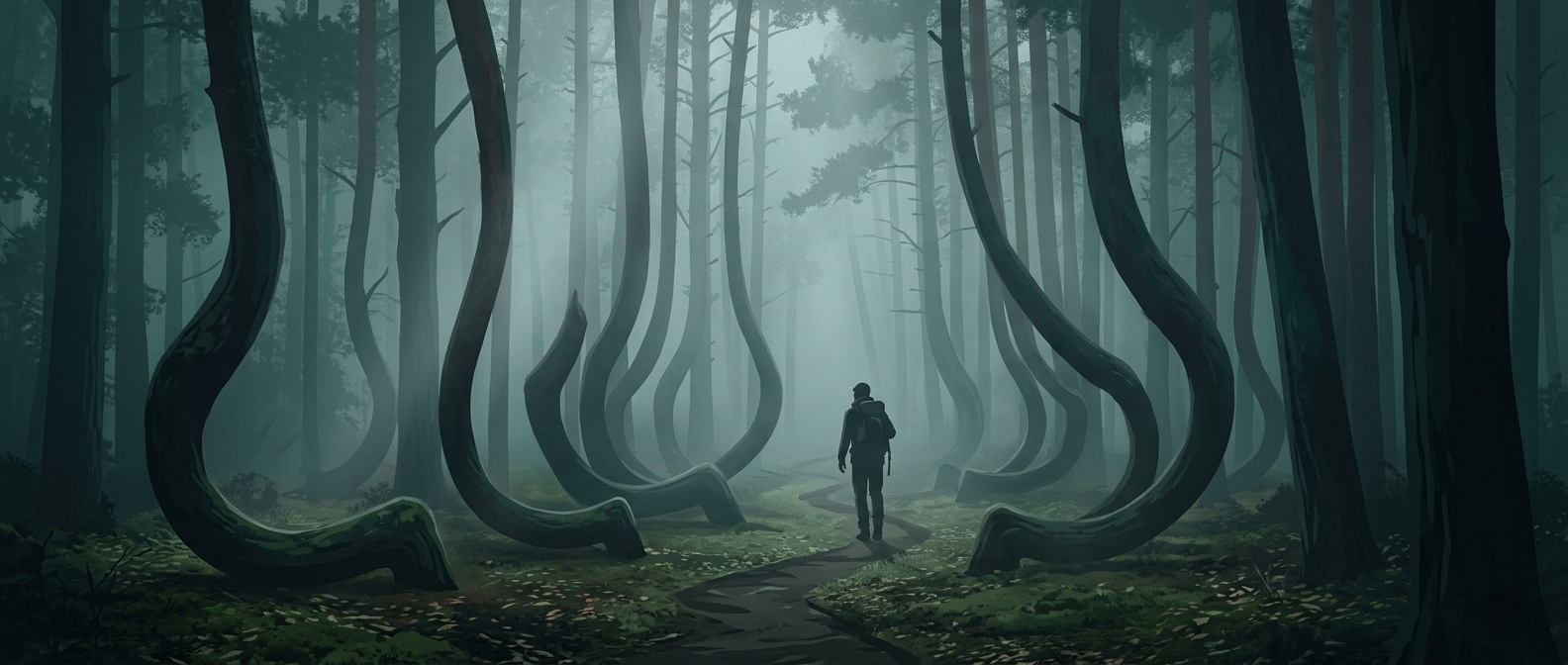
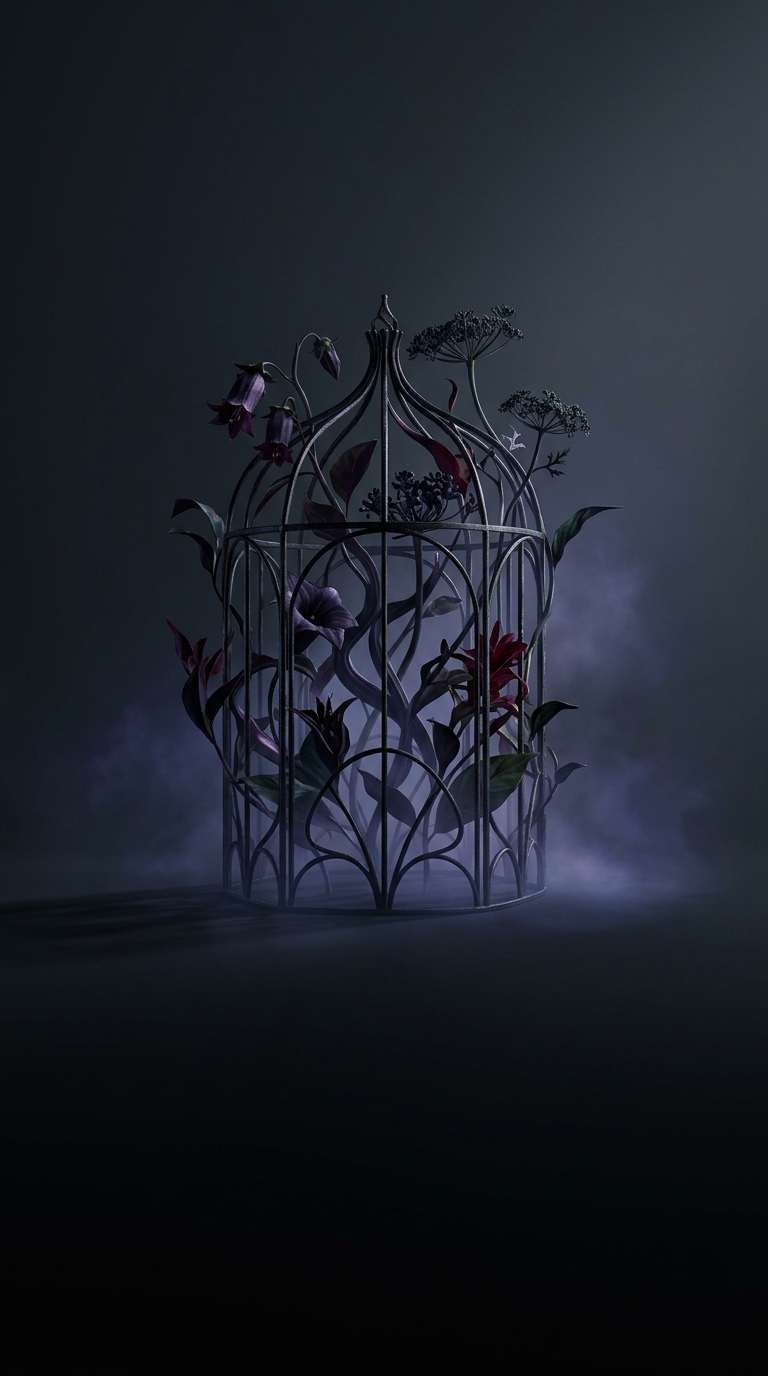
At Alnwick Garden, the locked gates are part of the exhibit’s logic: poisonous plants are not simply labeled and left for visitors to inspect up close. A guide controls the route and explains why familiar-looking greenery can be hazardous. The enclosure turns safety into a visible feature, making visitors notice the distance between looking at a plant and handling it.
That distinction matters because “poisonous” does not describe one uniform threat. Some plants are dangerous mainly if eaten; others can irritate or harm through contact. The risk depends on the species, the part of the plant, and how a person is exposed. Staying with a guide and avoiding touch or close inspection reduces the chance of an impulsive experiment or accidental contact.
Plants with different ways of harming
Deadly nightshade contains atropine-like compounds that interfere with signals in the nervous system. Hemlock contains toxins that can disrupt the nerves controlling muscles and breathing. Strychnine, meanwhile, is not a plant: it is a potent toxin produced by certain plants, including the seeds of the strychnine tree. These examples show why the garden groups its collection by danger rather than treating “poison” as a single substance with a single effect.
A visitor is therefore asked not to smell the plants as well as not to touch them. That rule helps keep people from leaning into the beds or making contact while exploring, even though it does not mean every plant is poisonous merely because its scent can be detected. The guided visit makes the central lesson concrete: in a garden, a plant’s beauty offers no reliable clue to what it can do.