One melody, many emotional roles
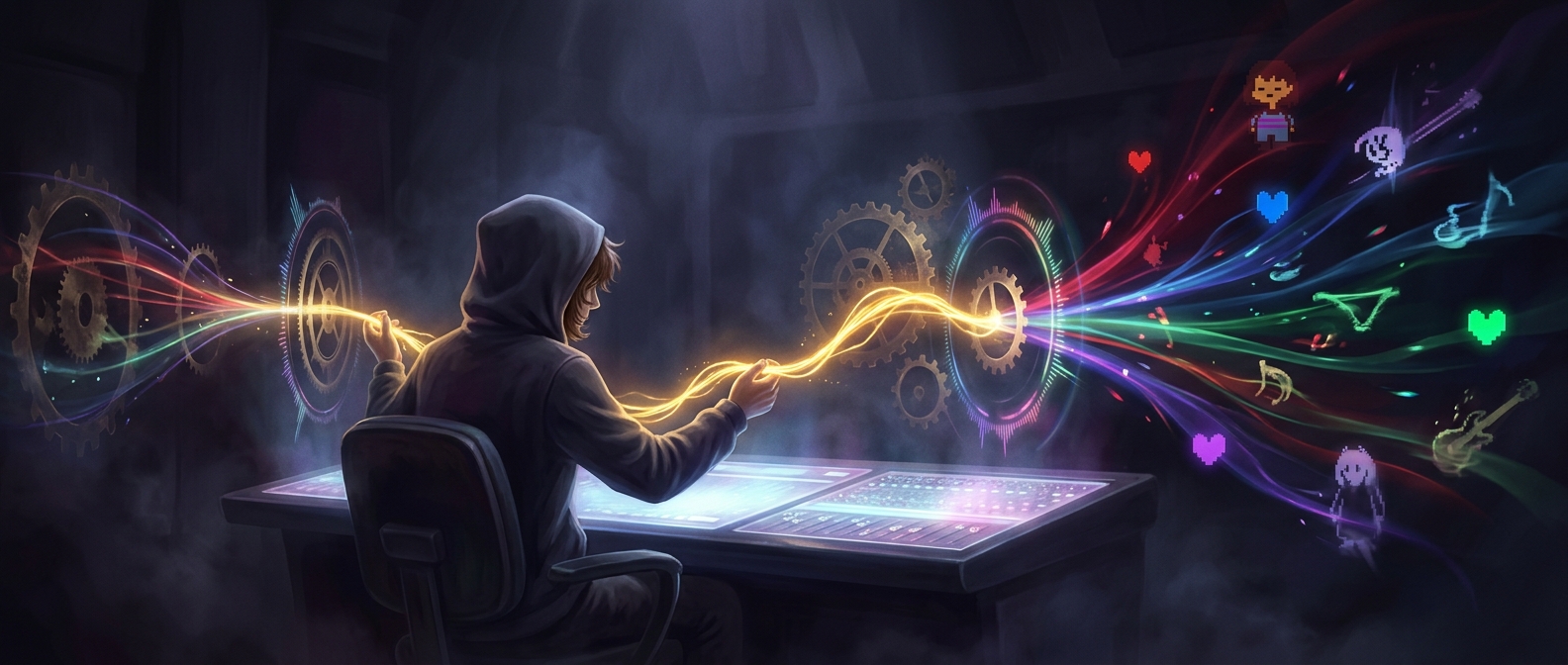
Undertale’s recurring musical idea works like a leitmotif: a recognizable tune that returns in different parts of a story, carrying its associations with it. The tune does not have to sound identical every time. A change in speed, instrumentation, or the direction of the notes can make a familiar phrase feel tender, uneasy, or triumphant.
That flexibility is especially useful in a game, where music accompanies scenes with very different moods. A melody played gently can feel intimate; heard at a more forceful pace, it can suggest urgency or resolve. Because the underlying musical shape remains recognizable, the new version also recalls the feelings attached to earlier appearances.
Arrangement changes what the tune means
The transformation is not just a matter of swapping instruments. Tempo affects how much time a listener has to sit with each note. A slow version can leave space for sadness or reflection, while a brisk one creates momentum. Reversing or reshaping the tune can make it less immediately recognizable, then let the connection emerge as the listener hears more of it.
These choices let the soundtrack link moments without spelling out the connection in dialogue. The music can hint that two scenes, characters, or emotional states belong to the same larger story—even when they seem quite different on the surface.
Recognition becomes part of the storytelling
When the melody returns, players bring the earlier version with them. The new arrangement gains meaning from that memory: a once-familiar phrase may now sound changed because the situation has changed. That is the quiet payoff of building many tracks around one musical idea. The soundtrack can make a story feel connected through the notes themselves, and a later appearance can turn a simple tune into a reminder of what the player has already experienced.