Why locomotive windshields are tested against a falling block
A locomotive windshield is not ordinary vehicle glass. It must give the engineer a clear view while resisting objects that could strike the front of a train at speed. A heavy block provides a blunt, repeatable way to test whether the glazing can take a severe impact without letting a dangerous object pass into the cab.
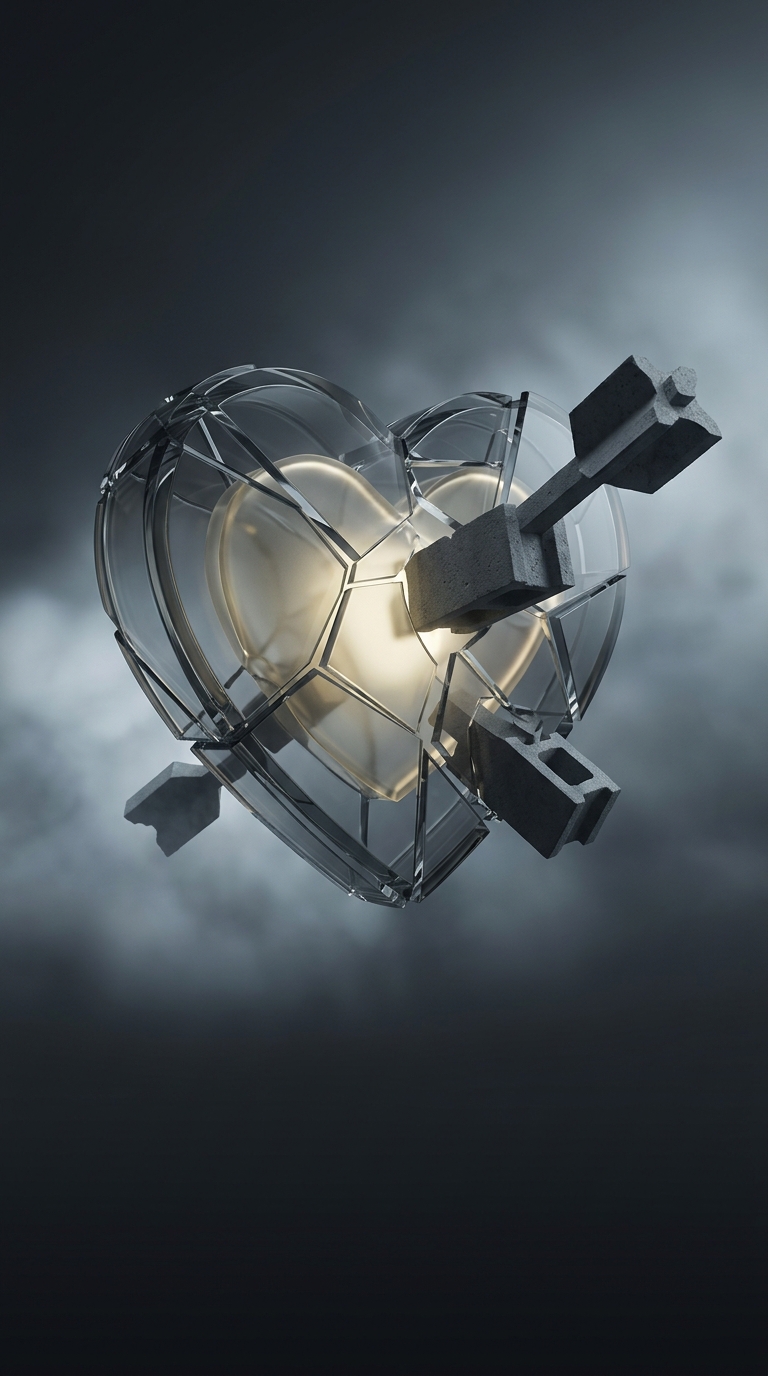
The test is not a prediction that a cinder block is likely to fall onto a particular train. It turns a rare hazard—debris coming from above, such as from an overpass—into a controlled engineering challenge. The important measure is not simply whether the glass cracks, but whether it keeps the impact from becoming a breach into the occupied cab.
Layers have to do two jobs
Locomotive glazing is built in layers. When an outer layer is struck, it can crack and spread the force across the panel; inner layers help hold the damaged glass together and resist penetration. This construction is called laminated glazing: layers of glass are bonded to a plastic interlayer that helps keep fragments from flying inward.
That arrangement also has to preserve visibility. The engineer needs a usable view through the windshield, so making it thicker or tougher cannot come at the cost of an obstructed or distorted sightline. The design therefore balances impact resistance with optical clarity and the practical demands of a working cab.
A controlled test for an uncontrolled hazard
A falling object on a real route could arrive at an unpredictable angle and with unpredictable force. A standardized impact test gives manufacturers and regulators a consistent way to judge whether a windshield can withstand a demanding blow. It does not make the cab invulnerable; it establishes that the glazing is designed to keep a serious impact from immediately turning into an opening through which the object can strike the crew.
That is why a block belongs in a rail-glass test: it makes an unlikely overpass hazard concrete, measurable, and part of the windshield’s design from the start.