How a cat could help a railway’s bottom line
A rural train line has costs that do not shrink just because fewer people ride: tracks, stations, and train service still need upkeep. When passenger numbers fall, each ticket matters more, but attracting occasional visitors can also help. Tama’s appeal gave people a reason to make a trip to Kishi Station even if they had not otherwise planned to ride the line.
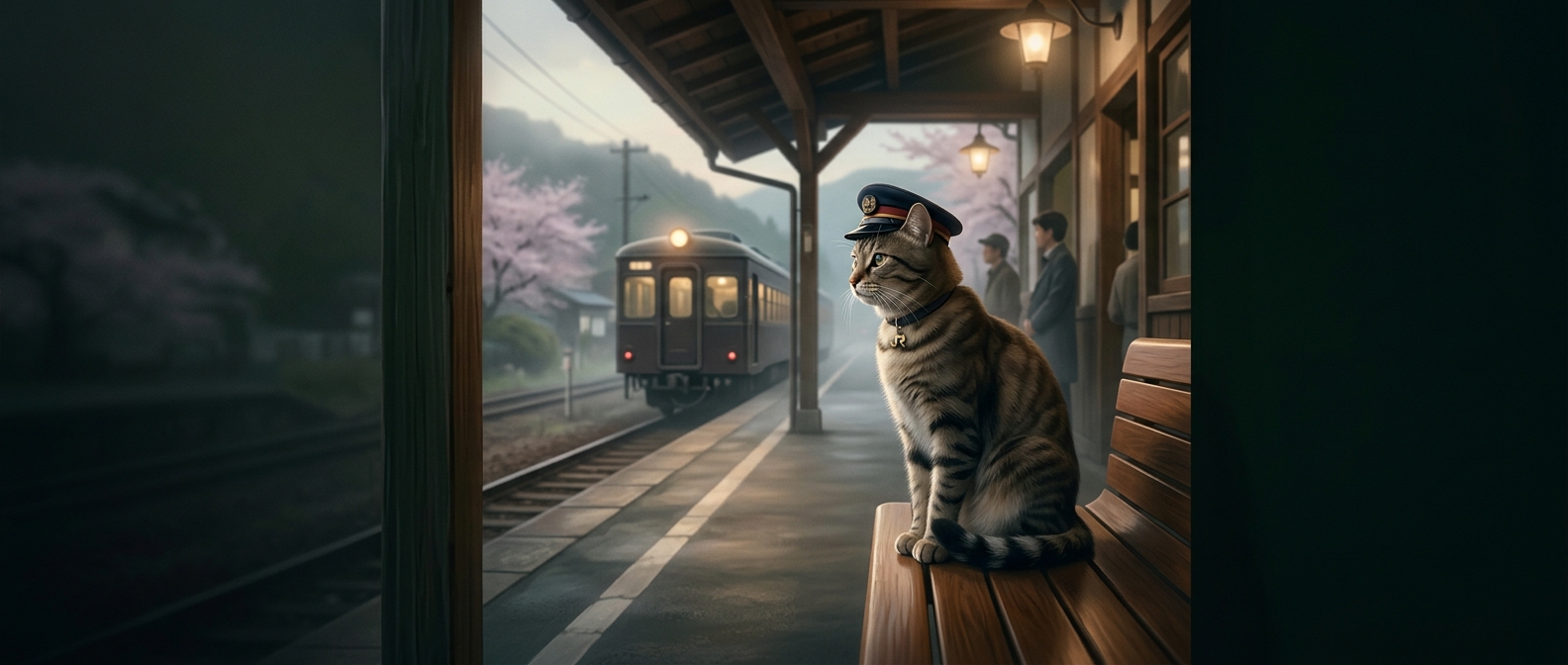
That attention turned a quiet station into a destination. Visitors came to see the cat, and getting there meant using the railway. The distinction matters: Tama did not solve the line’s engineering or operating problems. She helped address a different problem—how to make the service visible and worth choosing.
The stationmaster was also a public face
The title made Tama part of the station’s identity. Instead of being only a small stop on a route, Kishi became a place people recognized and talked about. The railway could build on that recognition through station-themed souvenirs and other ways for visitors to engage with the line, extending the appeal beyond the brief moment of seeing a cat.
A mascot cannot guarantee steady ridership, and a tourist visit is not the same as a daily commute. But the attention can create a useful loop: the railway brings visitors to the station, and the station’s unusual attraction gives them a reason to ride. Tama’s contribution was not to run the trains, but to make people notice that they were there.