Gérard de Nerval’s Unusual Paris Companion
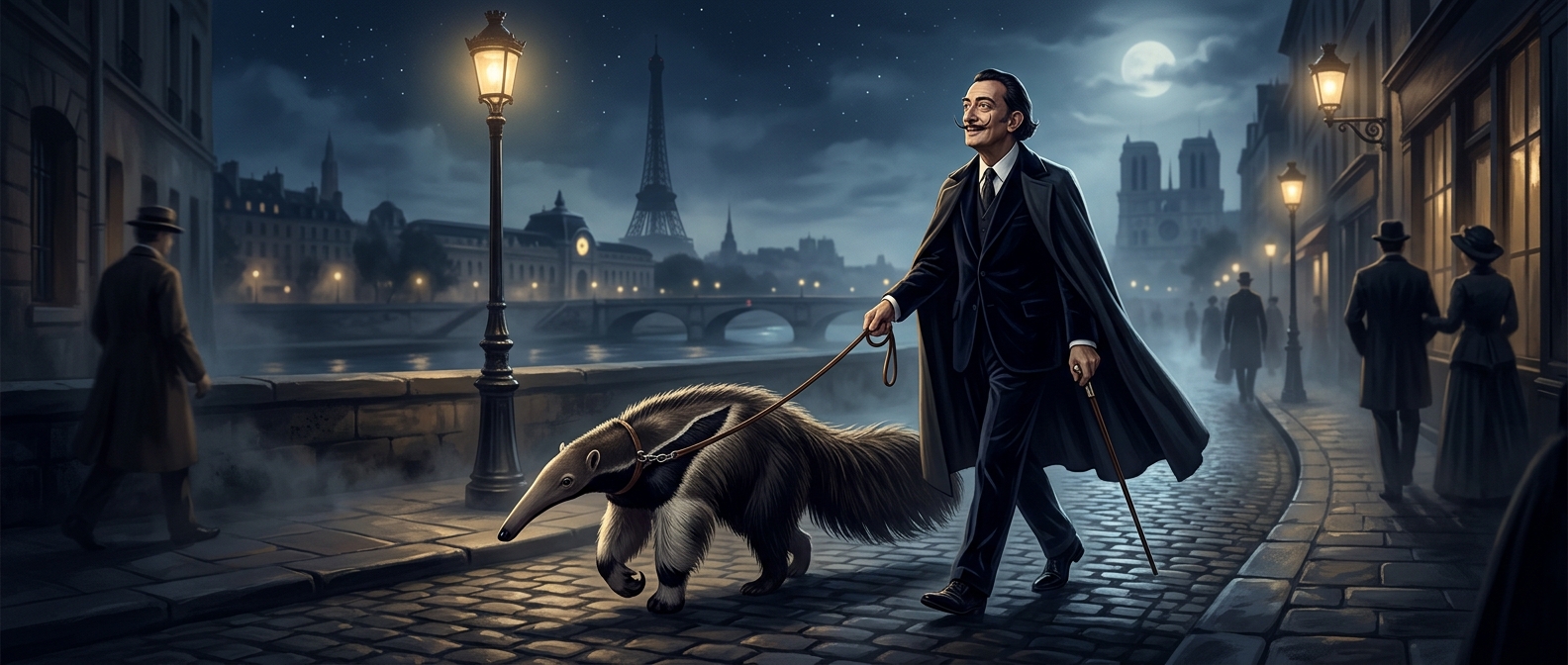
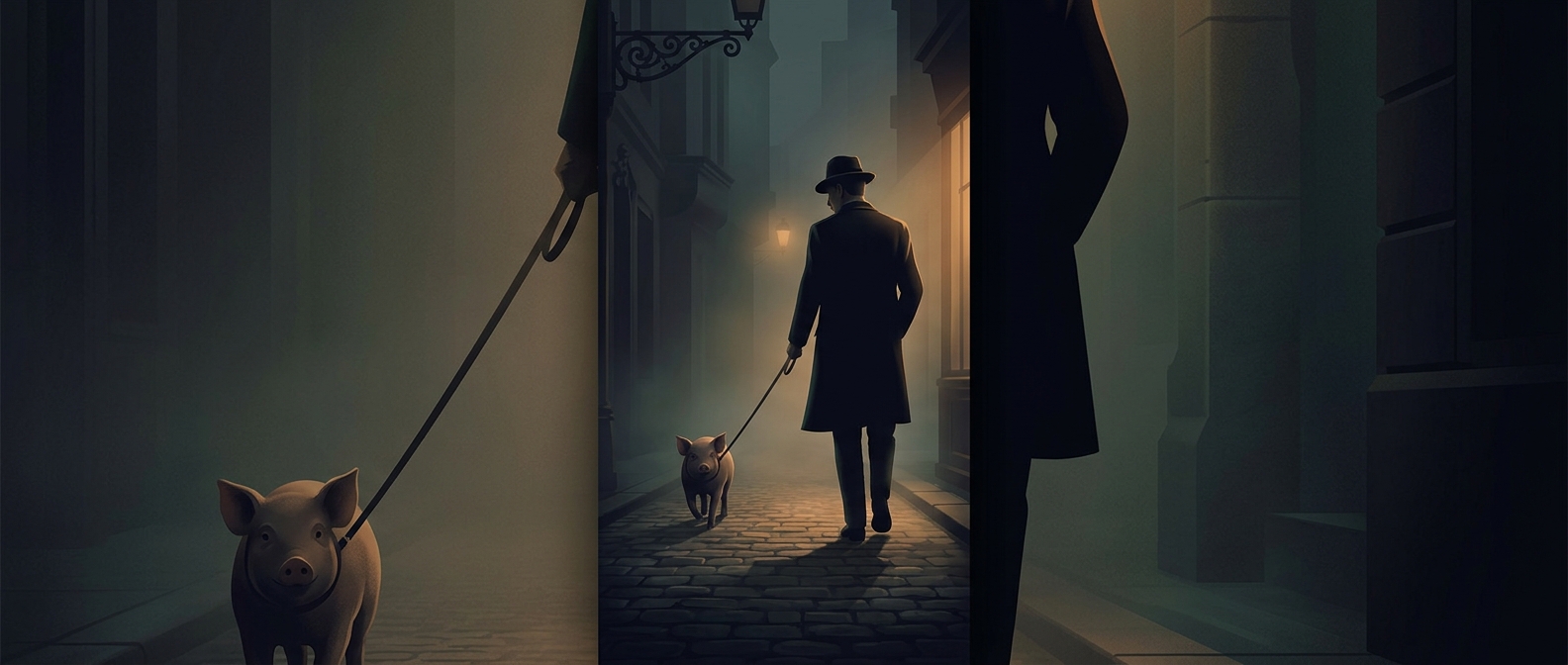
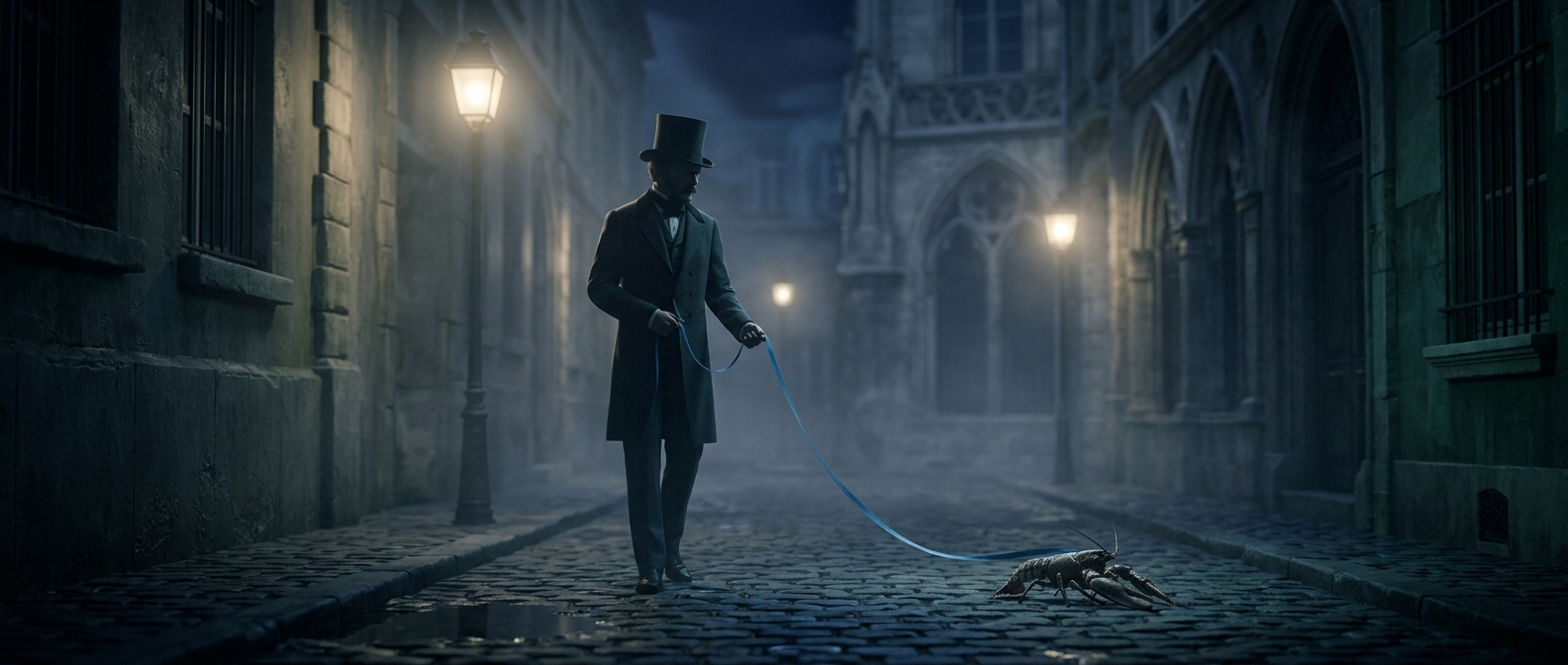
In 1840s Paris, French writer Gérard de Nerval was known for taking a lobster for walks on a blue ribbon. The image was striking because a leash usually signals a familiar, responsive pet: a dog that follows its owner and reacts to the street. A lobster, by contrast, moves slowly and does not behave like a trained companion.
Nerval defended the choice by praising what the animal lacked as well as what it possessed: it did not bark, and it came from the mysterious depths of the sea. His explanation turned the mismatch into the point. The lobster’s quietness and strangeness made it appealing on terms different from those used to judge ordinary pets.
A Walk That Reversed the Expected Roles
A leash normally makes an animal part of a familiar public scene. With Nerval’s lobster, the familiar prop made the unfamiliar creature even more conspicuous. The writer could guide it through Paris, but the lobster was not a dog performing obedience; it remained an odd, largely unreadable presence beside him.
That contrast helps explain why the story endured. It was more than an eccentric pet anecdote: it gave Nerval a way to make everyday expectations look arbitrary. If people found the lobster ridiculous simply because it was not a conventional companion, the walk invited them to reconsider what makes an animal worth keeping—or a public scene worth noticing.