A carriage organized around a route
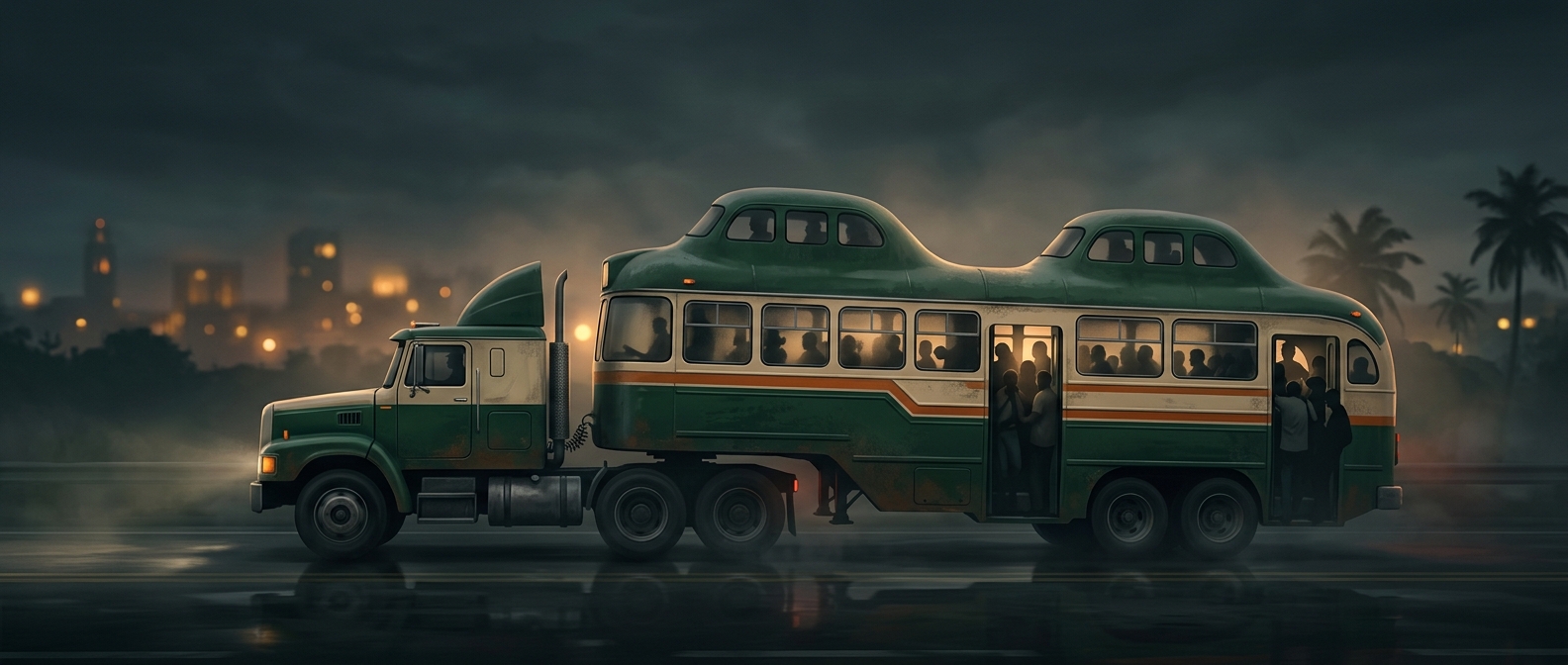
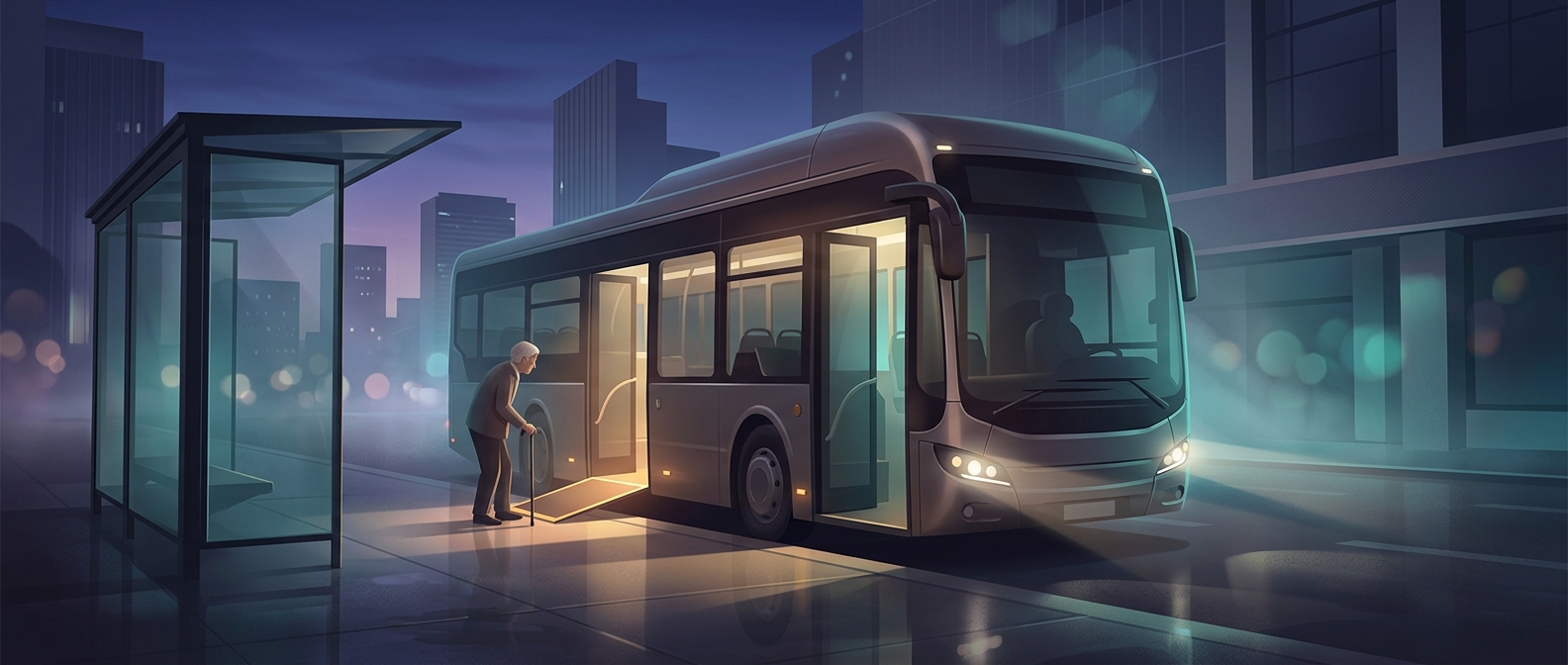
A horse-drawn omnibus was more than a large coach: it was a service. Instead of hiring a vehicle for a private trip, passengers boarded a shared carriage that followed a set route and carried several people headed in roughly the same direction. The arrangement made a ride available without requiring each traveler to own a horse or pay for a carriage alone.
The vehicle’s limits shaped the service. Its horses could pull only so much, and every passenger added weight, so the operator had to balance capacity against the pace and practicality of the journey. A route also made the ride predictable: people could board along the way rather than arrange an entirely individual trip.
The name outlasted the horses
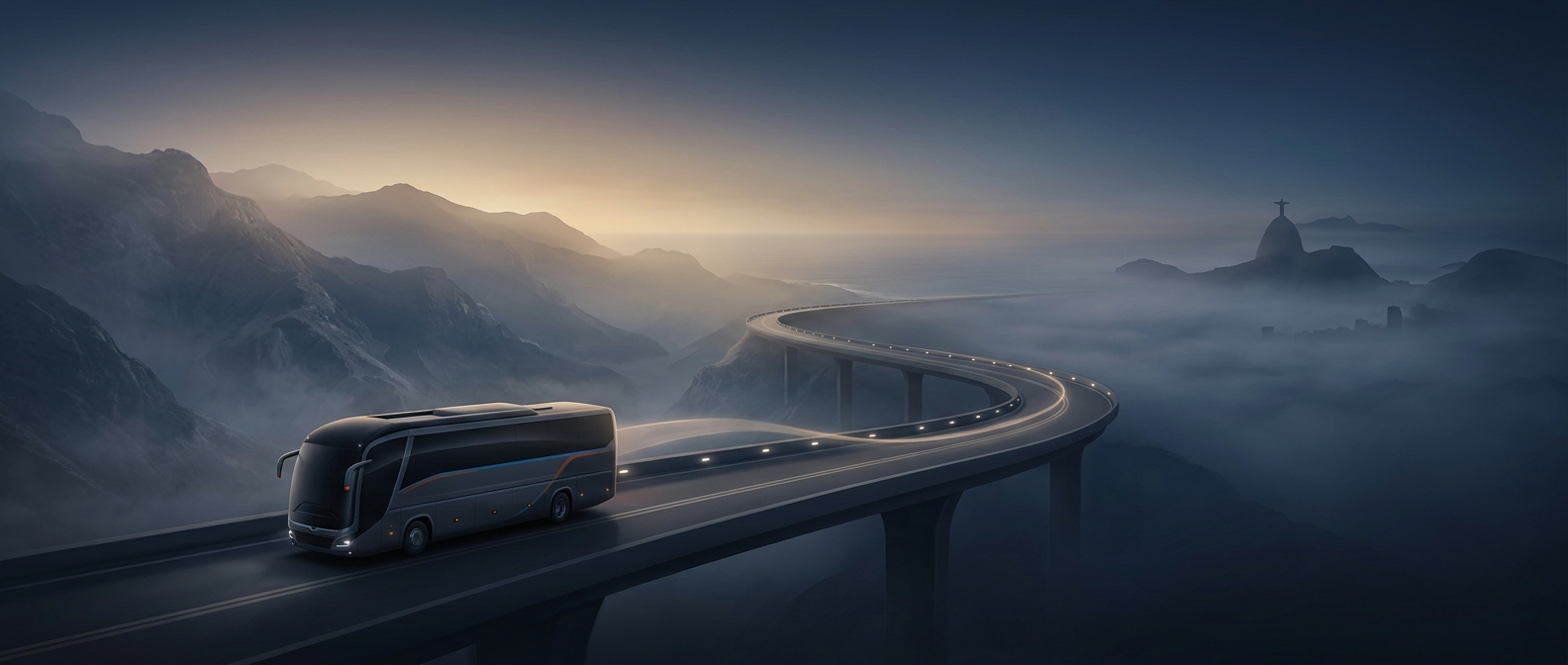
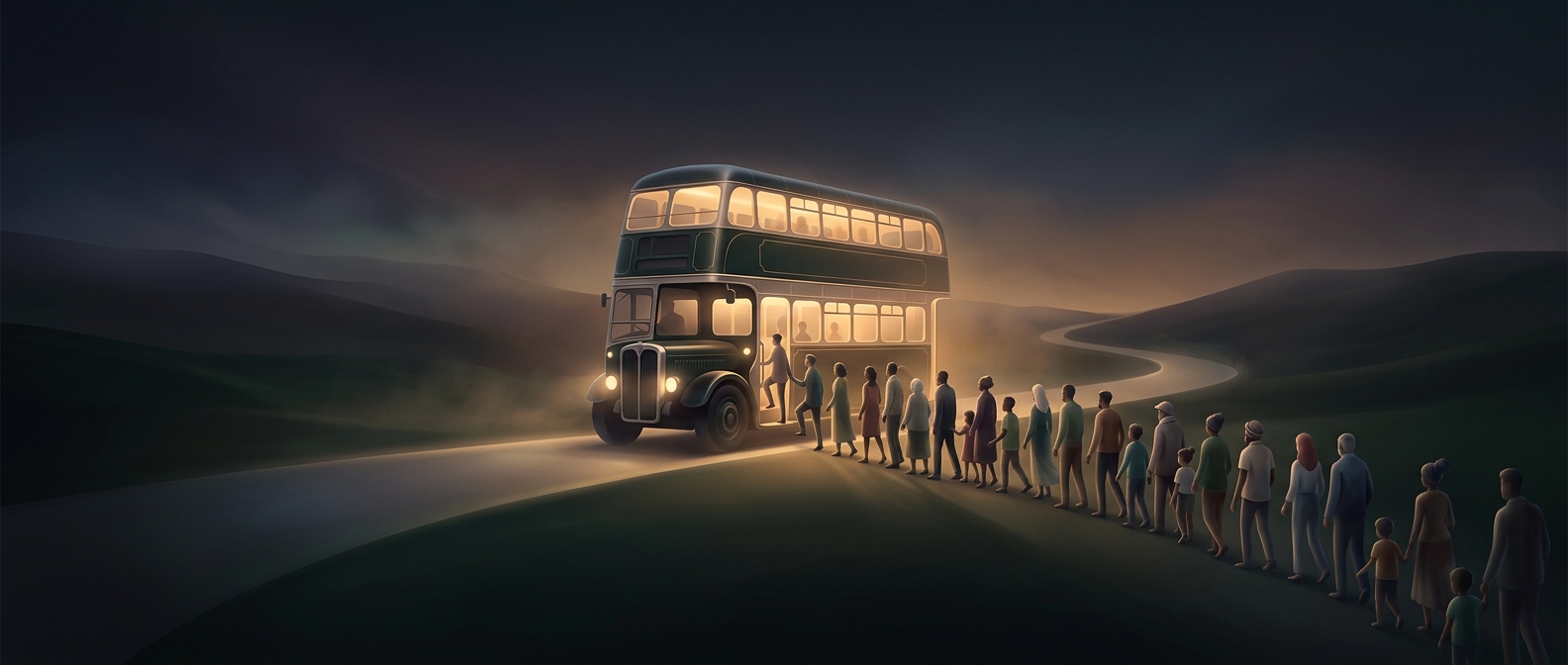
When engines replaced horse teams, the basic idea remained: a vehicle gathers passengers and carries them along a route. The technology changed, but the shared-service model did not. “Omnibus” was eventually shortened to “bus,” leaving a small trace of the older carriage in an everyday word.
That history is why the name fits. The defining feature was never the horse or the shape of the carriage; it was that one vehicle made a journey possible for many passengers at once.