Why the Stakes Are So Far Apart
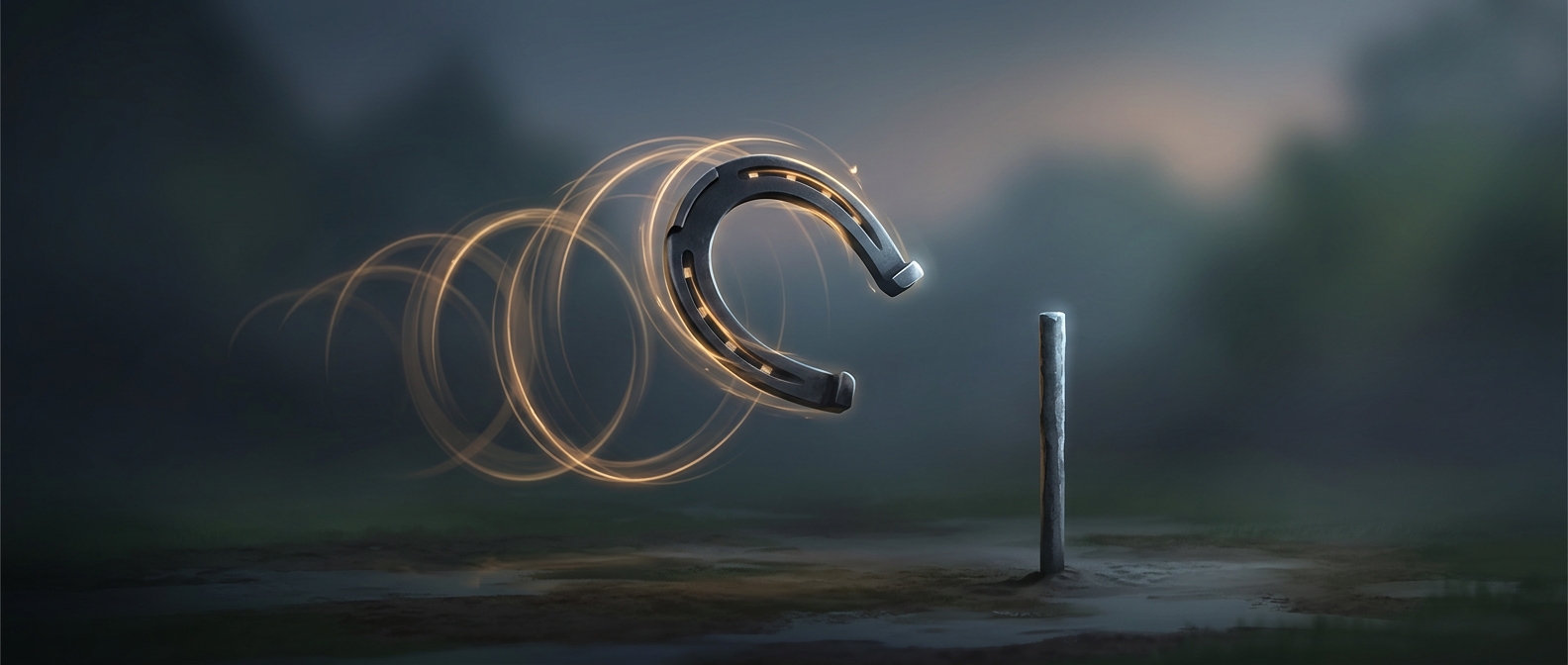
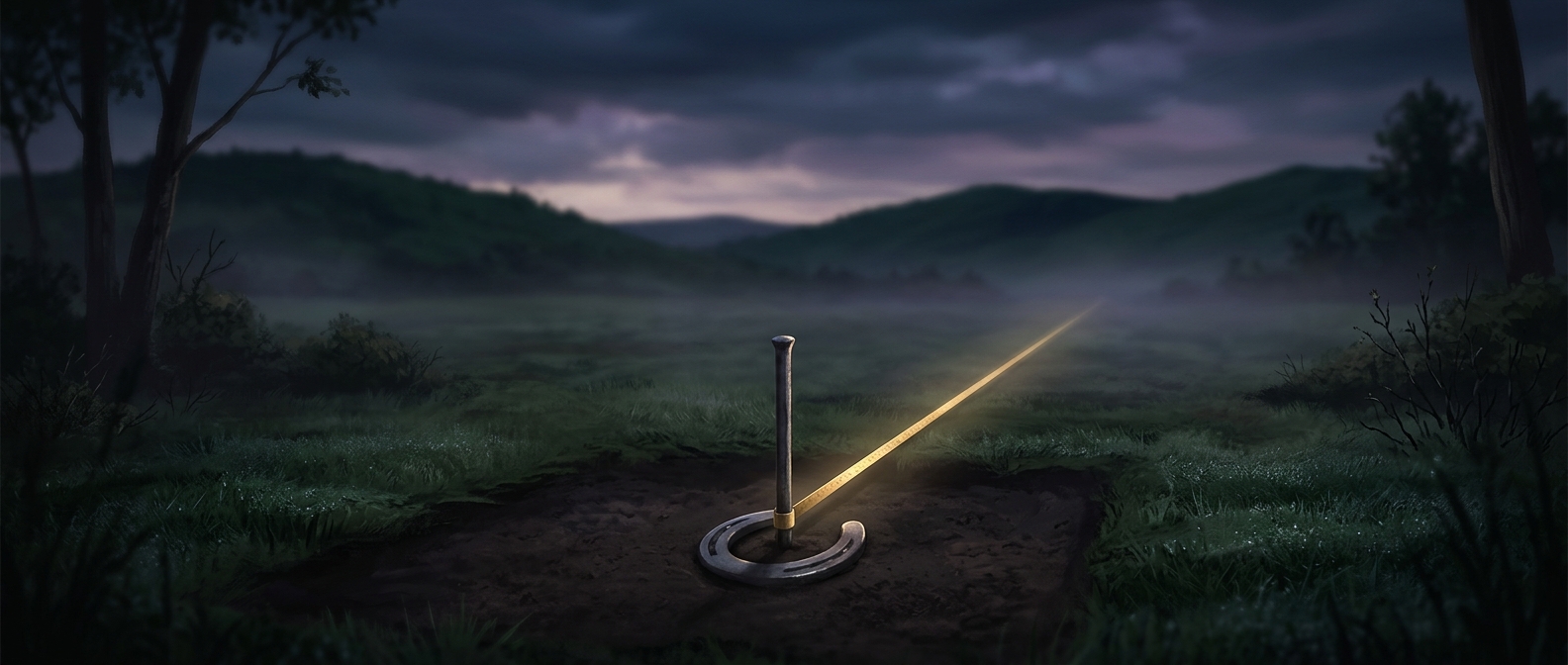
Forty feet is not just a measure of the court; it shapes the challenge of every pitch. A player must send a heavy, open-ended horseshoe toward a relatively small stake while judging both distance and angle. Too little force leaves the shoe short. Too much can carry it past the target, while a poor angle may send it wide.
The horseshoe’s U shape gives the thrower another choice: try to land it around the stake, or simply finish closer to the stake than the opponent. A shoe that encircles the stake is called a ringer. The long gap makes that precision difficult, so a pitch that misses the stake can still matter if it ends nearer than the other player’s shoes.
Distance Changes the Strategy
At this range, a throw is not a dart-like snap of the wrist. Players develop a repeatable motion that gives the shoe enough height and forward travel, then adjust its release to control where it lands. Small differences in force or direction become conspicuous over the full distance.
That is why the court’s length turns horseshoes into a contest of consistency as well as aim: a player has to make the same difficult journey again and again, not merely hit the stake once.