Why a hot console could stop working
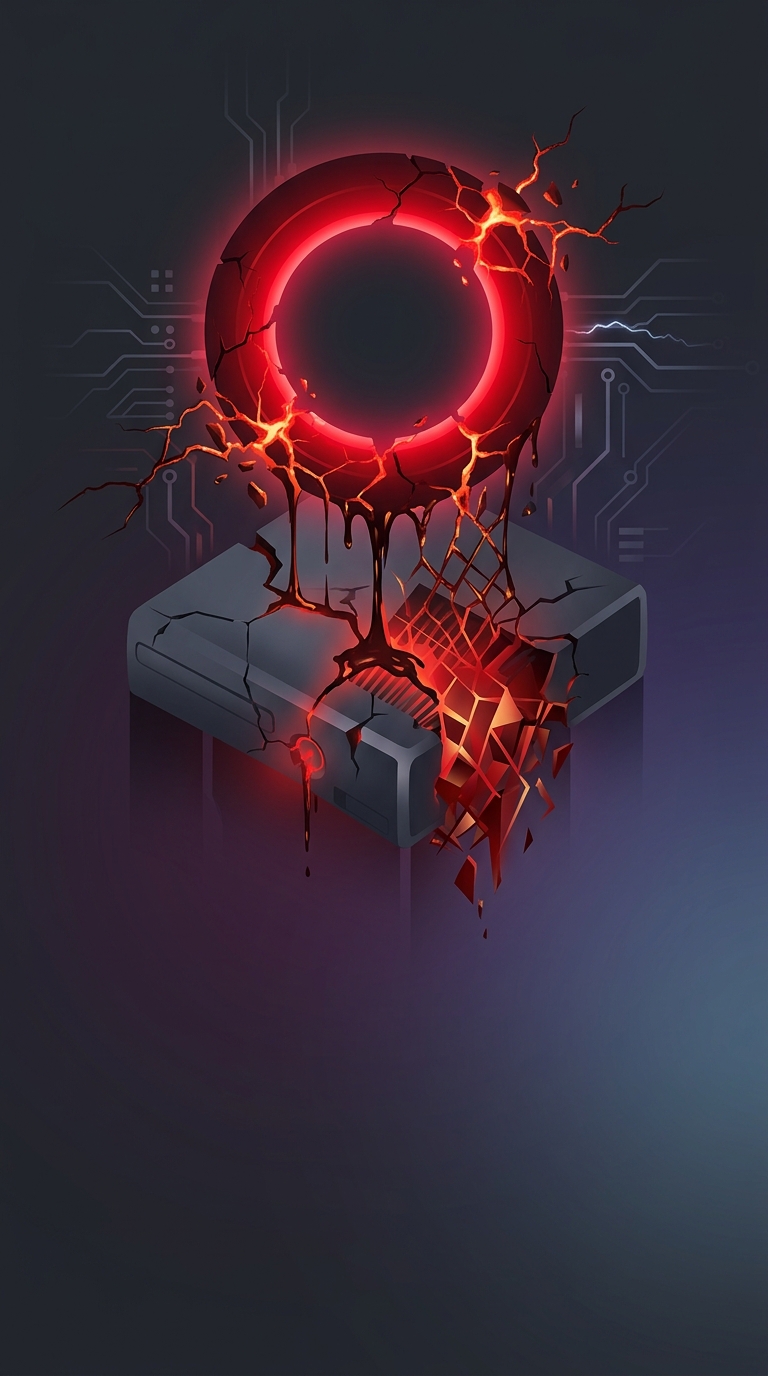
Inside the Xbox 360, the graphics chip was attached to the motherboard by tiny solder connections. Solder is the metal alloy that both holds components in place and carries electrical signals between them. As the chip heated during play and cooled afterward, its materials expanded and contracted at different rates. Repeated cycles could stress the connections until a crack interrupted the electrical path.
Lead-free solder, adopted to reduce hazardous lead in electronics, was part of the problem described in the console’s failures: some joints proved vulnerable to that repeated stress. The red lights on the console were a visible error signal, not a repair method or a precise diagnosis on their own.
Why the towel trick sometimes seemed to work
Wrapping a console in towels trapped heat and made it run hotter. That could make the motherboard and solder joints expand; if a damaged connection briefly made contact again, the console might start up. But this was not a controlled repair. The connection could fail again as the system cooled or was used, and extra heat could damage other parts.
A lasting fix meant addressing the hardware fault, not merely forcing the console through another heating cycle. The episode showed how a small weakness hidden beneath a chip could turn normal gaming—hours of heating and cooling—into a failure that players could see but rarely fix themselves.
The cost of a design failure
Microsoft’s warranty extension shifted the immediate repair burden away from owners and onto the company, at a cost exceeding a billion dollars. That expense reflected more than replacement parts: a failure that appears after repeated use can undermine confidence in an entire console, especially when the cause is buried in components users cannot inspect.
The towel workaround became memorable because it dramatized the problem: players were trying to use heat to revive a machine whose own heat had helped bring it down.