Why Dry Air Matters to a Parked Airliner
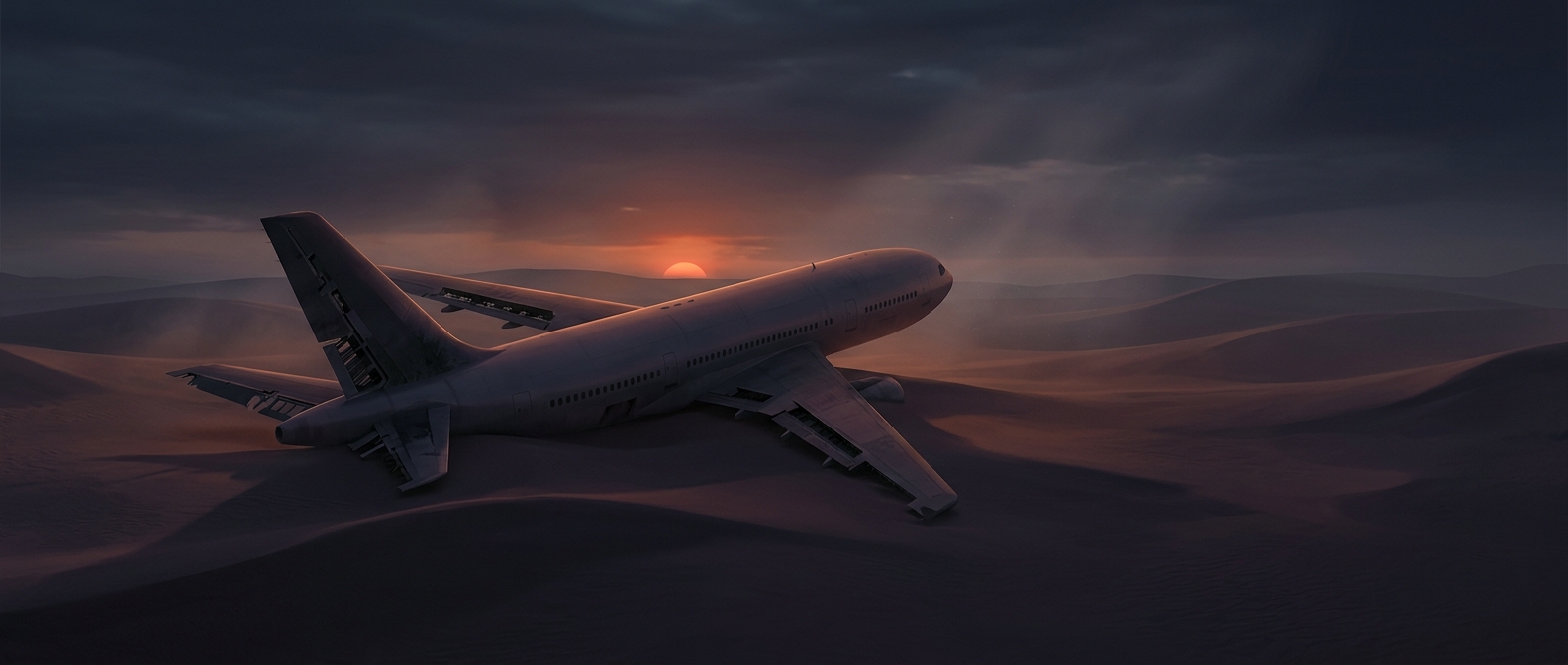
An airliner is built to fly, but once it is parked for months or years, its biggest enemy is often the environment working on it a little at a time. Corrosion is damage caused when metal reacts with water and oxygen. In a dry climate, there is less moisture available to keep that process going, so an aircraft can generally sit with less corrosion risk than it would in a damp coastal setting.
That does not make the desert a preservation vault. Sunlight, heat, dust, and temperature swings can still wear on paint, seals, tires, and other materials. Long-term storage therefore involves preparation and periodic checks, not simply leaving a plane untouched on the tarmac.
A Holding Pattern for an Expensive Asset
Retirement rarely means an aircraft has an immediate, settled fate. Its owner may be weighing whether another airline will buy it, whether it can be stored for possible future use, or whether its components are worth more separately. Keeping a plane in a relatively dry place buys time while those choices are made.
The decision is practical as well as financial. An airliner is a collection of valuable systems and materials, but returning an inactive aircraft to service takes work; meanwhile, dismantling it ends the possibility of selling or using it whole. A storage site gives owners room to delay that commitment while the market and the aircraft’s condition become clearer.
The Waiting Room Eventually Empties
If a buyer emerges, the aircraft may be prepared to fly again. If not, it can be dismantled, with usable engines, avionics, and other components entering the parts market and the remaining structure sent for recycling or disposal. The desert’s role is not to make an old plane immortal. It is to slow some forms of deterioration while its next use—or its final teardown—is decided.