How a Rose Parade float becomes a floral picture
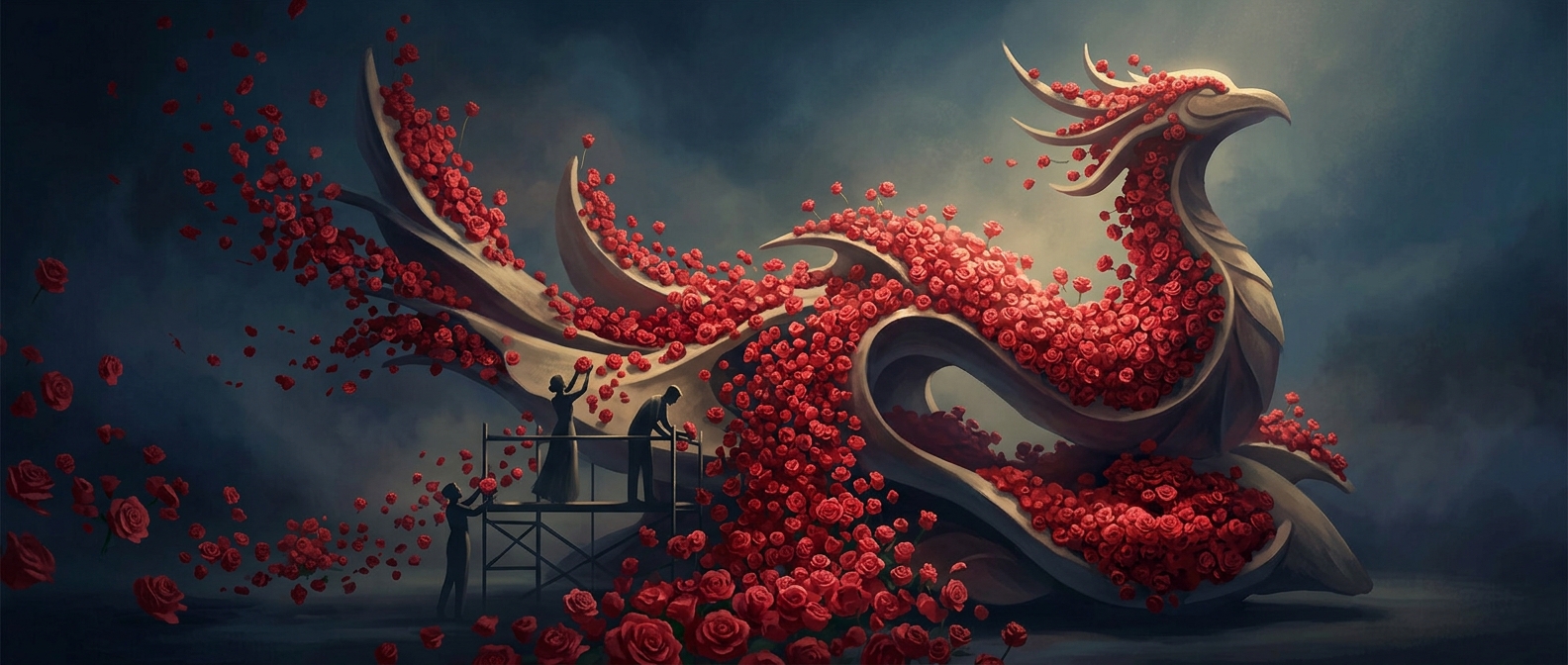
A float’s decoration is planned like a giant mosaic. Before flowers are attached, designers map out colors and shapes across the float’s surface. Volunteers then fill those areas with plant materials chosen for their texture and appearance: petals can make smooth fields of color, while seeds and other small materials can supply fine detail.
The challenge is that a design meant to look crisp from the street has to be assembled from natural pieces that vary in size and shape. Decorators work section by section, matching materials to the outlines and colors in the plan. Depending on the material and location, flowers may be kept in small water-filled holders or secured directly to the structure. The finished surface must also stay in place as the float moves.
Why the final hours matter
Fresh flowers are beautiful but perishable. Decorating close to parade time helps them look vivid when spectators see the floats, rather than leaving delicate blooms exposed for longer than necessary. That deadline turns the work into a coordinated handoff: builders prepare the structure, designers define the image, and volunteer teams bring it to life by filling in its many small parts.
The result is more than a colorful covering. From nearby, a float is a mass of individual stems, petals, and seeds; from the parade route, those pieces resolve into a single readable scene. The overnight work is what makes that change of scale possible.